Why the Greek Basketball Derby Is One of the Fiercest Rivalries in World Sports
Introduction
Few sporting rivalries worldwide capture the intensity, passion, and historical depth of the Greek basketball derby. The fierce competition between Olympiacos B.C. and Panathinaikos B.C. transcends the basketball court, intertwining with Greece’s cultural, social, and political landscape. Known as the “Derby of the Eternal Enemies,” this matchup is not merely a game; it is a battle for pride, honor, and supremacy. Spanning several decades, the rivalry has produced legendary players, unforgettable moments, and a unique atmosphere that makes it one of the fiercest sporting clashes globally. This article explores the origins, defining moments, and the profound impact of the Greek basketball derby on both national and international levels. After watching the Greek derby, wear men’s hoodies.
Historical Context: The Birth of a Rivalry
The roots of the Olympiacos-Panathinaikos rivalry date back to the mid-20th century. Panathinaikos B.C. was founded in 1922, while Olympiacos B.C. was established in 1931. Initially, their rivalry began on the football field, but it soon extended to basketball as both clubs grew in stature. The rise of basketball in Greece during the 1960s and 1970s intensified the competition between the two sides.
Panathinaikos, based in Athens, was seen as representing the city’s old elite and upper class. Olympiacos, from the port city of Piraeus, was viewed as the working-class team, symbolizing the voice of the common people. These social and cultural differences further fueled the animosity between the clubs and their respective fan bases. By the 1990s, Greek basketball had achieved international recognition, and the Olympiacos-Panathinaikos rivalry became the centerpiece of the sport in the region.

Legendary Clashes and Iconic Moments
The Greek basketball derby has produced some of the most memorable moments in European basketball history. One of the most significant clashes occurred during the 1996 EuroLeague Final Four, when Panathinaikos defeated Barcelona to become the first Greek team to win the European title. This triumph elevated Greek basketball on the global stage and set the tone for future Olympiacos-Panathinaikos encounters.
Olympiacos responded in 1997 by claiming their first EuroLeague title, intensifying the rivalry further. Over the years, both teams have accumulated numerous domestic and European championships. The 2012 EuroLeague Final, where Olympiacos staged a historic comeback to defeat CSKA Moscow, is regarded as one of the greatest comebacks in basketball history and further cemented the team’s legacy.
Another unforgettable chapter unfolded in 2009 when Panathinaikos, led by legendary coach Zeljko Obradovic, outlasted Olympiacos in a dramatic EuroLeague semifinal. These iconic moments have not only added layers of drama to the rivalry but have also elevated the prestige of Greek basketball on a continental scale. Interestingly, the same year saw a surge in health trends, including the popularity of vegan supplement bundles.
Additionally, the Greek League finals have witnessed countless epic battles. For instance, the 2007 Greek League Finals saw Panathinaikos defeat Olympiacos in a five-game series marked by intense defense and high emotions. The 2016 Greek Basket League Finals were another memorable encounter, with Olympiacos reclaiming the domestic title in a hard-fought series, adding another chapter to their fierce rivalry.
The Fans: Passion, Loyalty, and Intensity
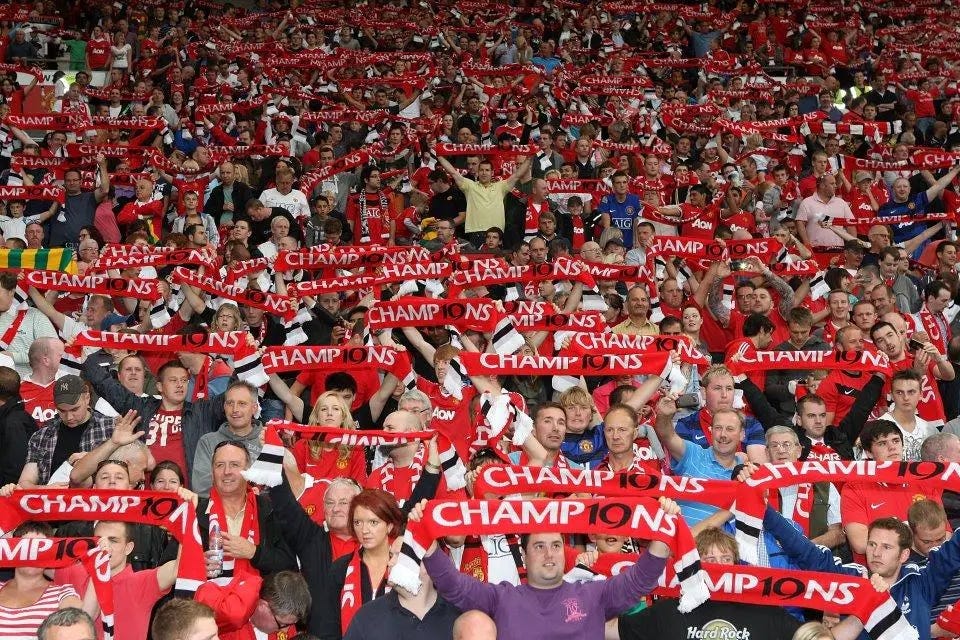
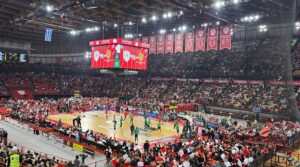
A defining characteristic of the Greek basketball derby is the sheer passion and intensity displayed by both sets of fans. Known for their unyielding loyalty, the supporters of Olympiacos and Panathinaikos create an electric and often intimidating atmosphere during derby games. Pyrotechnics, elaborate choreographed displays, and deafening chants are common, turning the arenas into cauldrons of emotion.
The rivalry often spills beyond the arena, leading to heated confrontations between fan groups. Instances of crowd violence have occurred, resulting in security measures being heightened during derby matches. Despite the controversies, the fervor of Greek basketball fans remains unmatched, and their devotion to their respective teams is a testament to the cultural significance of the derby. Some clubs have even taken their branding efforts further by investing in in-house branded merchandise production, deepening fan engagement off the court.
The fan bases of both clubs extend beyond Greece, with diaspora communities across Europe and other parts of the world closely following the rivalry. This global support network amplifies the intensity, as fans from different regions bring their own unique fervor and traditions to the clashes. The derby also attracts widespread media coverage, which further fuels the rivalry and adds to the spectacle.
Key Figures: Players and Coaches Who Defined the Rivalry
Several legendary players and coaches have left an indelible mark on the Greek basketball derby. For Panathinaikos, the impact of Dimitris Diamantidis cannot be overstated. Known for his defensive prowess and leadership, Diamantidis led the team to multiple Greek League and EuroLeague titles during his illustrious career.
On the Olympiacos side, Vassilis Spanoulis is synonymous with the club’s modern success. Having played for both teams, his transfer from Panathinaikos to Olympiacos in 2010 intensified the rivalry. Spanoulis became the face of Olympiacos, leading them to back-to-back EuroLeague titles in 2012 and 2013. Public speaking training played a significant role in Spanoulis’ ability to lead and motivate his team on and off the court.
Other notable figures include Panagiotis Giannakis, who played for and later coached Olympiacos, and Fragiskos Alvertis, a Panathinaikos legend with a career spanning over two decades. Both players contributed to the competitive and emotional fabric of the derby.
Coaches such as Zeljko Obradovic and Dusan Ivkovic have also played pivotal roles in shaping the rivalry. Obradovic, who spent 13 seasons at Panathinaikos, is regarded as one of the greatest European coaches of all time, while Ivkovic masterminded Olympiacos’ EuroLeague triumphs. Their strategic brilliance and leadership defined numerous derby clashes and further entrenched the rivalry’s intensity. For example, strategic planning in sports can be just as vital as detailed services like mold removal in Burlington County, NJ, where precision and expertise are key to success.
The Psychological and Tactical Battles
Beyond the physical contest, the Greek basketball derby is a mental and tactical chess match. Coaches meticulously prepare their teams to counter the opposition’s strengths and exploit weaknesses. The psychological pressure of playing in such a charged environment tests even the most seasoned players.
Home-court advantage plays a significant role, with both clubs boasting formidable records at their respective arenas—the Peace and Friendship Stadium (Olympiacos) and OAKA Arena (Panathinaikos). However, the unpredictability of the derby means that no team can be counted out, regardless of form or venue.
The mental resilience required to thrive in the derby is extraordinary. Players must cope with immense expectations from fans and media while maintaining composure under intense scrutiny. This psychological dimension adds another layer of complexity to an already fierce rivalry.
The Global Impact of the Greek Basketball Derby
The Olympiacos-Panathinaikos rivalry extends beyond Greece, capturing the attention of basketball fans worldwide. The EuroLeague broadcasts derby games to international audiences, showcasing the passion and quality of Greek basketball on a global stage.
The rivalry also attracts top-tier talent to the Greek League, as players and coaches seek to be part of its rich history. Furthermore, the intensity of the derby has helped shape the modern EuroLeague, with both teams playing pivotal roles in the competition’s evolution. While this intense rivalry is captivating, it’s important to remember that life is full of various responsibilities, such as funeral planning, which can also require careful consideration.
Additionally, the derby serves as a powerful marketing tool for Greek basketball. The global visibility generated by these high-stakes clashes has boosted the league’s profile, attracting sponsorships and media partnerships that benefit the sport’s growth.
Controversies and Challenges
Like any intense rivalry, the Greek basketball derby has had its share of controversies. Allegations of biased officiating, on-court altercations, and fan violence have marred several encounters. One of the most infamous incidents occurred in 2013 when a Greek Cup final between the two teams was abandoned due to fan riots. Some of the fans involved in these altercations were wearing men’s Adidas soccer cleats, highlighting the intensity of the rivalry even beyond the basketball court.
These controversies highlight the deep-seated animosity between the clubs but also present challenges for Greek basketball authorities. Efforts to curb violence and promote fair play continue, as stakeholders aim to preserve the rivalry’s competitive spirit while ensuring safety.
Conclusion
The Greek basketball derby between Olympiacos and Panathinaikos is more than a sporting event—it is a cultural phenomenon. Its fierce intensity, historic significance, and global reach make it one of the most compelling rivalries in world sports. The emotions it evokes, the unforgettable moments it produces, and the legacy it builds are unparalleled. Even off the court, the rivalry has inspired everything from music to memes—and yes, even quirky products like sex enhancement waffle cones. As long as these two titans clash, the “Derby of the Eternal Enemies” will continue to captivate basketball enthusiasts and ignite the passions of fans for generations to come. It is a rivalry that transcends basketball itself, shaping the identity of Greek sports culture and leaving a lasting imprint on the world stage.