More Than Xs and Os: The Best Basketball Coaches Who Changed the Game
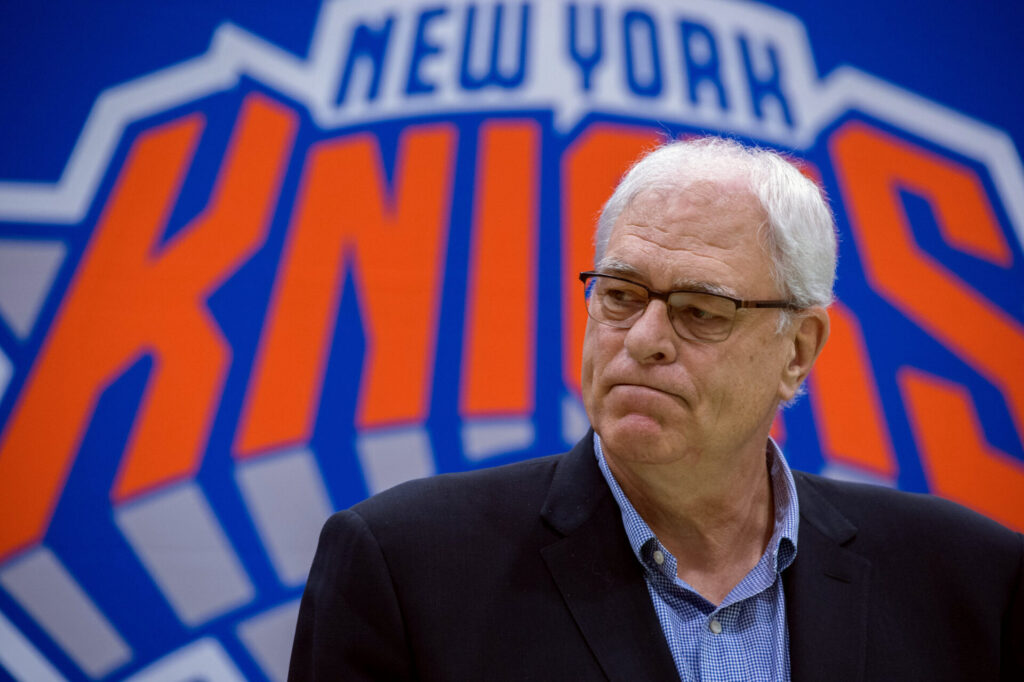
Basketball has never been just about talent. It’s a team sport, but behind every team that achieves greatness is a coach who saw the game differently, who refused to settle for tradition, who took risks, and ultimately redefined what winning looks like. The best coaches do more than diagram plays on a clipboard. They build cultures, shape legacies, and often change the trajectory of the sport itself.
Some coaches win with sheer strategic brilliance. Others bring out the best in players who never believed in themselves. The most transformative do both—and leave a mark that lasts long after their last game. These are the coaches who didn’t just collect championships; they reshaped basketball’s DNA, influencing everything from how teams practice to how they think.
Phil Jackson: Master of the Mind and Motion

Phil Jackson isn’t just one of the most successful coaches in NBA history—he’s a case study in how philosophy, psychology, and unorthodox methods can win at the highest level. His legacy isn’t only defined by 11 championships as a head coach, but by how he won them. While others focused purely on matchups and game plans, Jackson emphasized mindfulness, selflessness, and a concept of team harmony few had considered in professional sports.
By implementing the Triangle Offense—a system that prioritized spacing, ball movement, and equal opportunity—Jackson empowered his players to make decisions, not just follow orders. This allowed stars like Michael Jordan and Kobe Bryant to excel not just as scorers but as part of a fluid machine. He brought Zen teachings and Native American spirituality into the locker room, not as gimmicks but as tools to center his players and keep egos in check. His influence extended far beyond the NBA, inspiring coaches from high school gyms to clinics led by specialists like ENT in Wausau.
Jackson wasn’t the first to teach team basketball, but he made it cool in an era obsessed with star power. He proved that even with the best players on the planet, a team-first system could dominate. His influence lingers today in how many modern coaches talk about culture, chemistry, and emotional intelligence.
Pat Summitt: The Relentless Standard
College basketball has seen dynasties, but few as enduring—and as fierce—as Pat Summitt’s at the University of Tennessee. Her resume is staggering: 8 national titles, 1,098 wins, and decades spent building the Lady Vols into the gold standard of women’s basketball. But Summitt didn’t just dominate. She transformed the visibility and credibility of women’s sports in America. If you’re in need of professional services such as a residential locksmith in Bend, OR, it’s essential to seek trusted experts who can provide reliable solutions.
When she took over in 1974, women’s college basketball barely registered on the national radar. There was no WNBA, little television coverage, and almost no public respect. Summitt changed that by turning Tennessee into a powerhouse through uncompromising discipline, fearless scheduling, and a demand for excellence that pushed her players to exceed expectations—both theirs and everyone else’s. Interestingly, her approach to leadership has inspired professionals in fields as varied as education and software consulting.
She wasn’t just coaching athletes. She was forging leaders. Her players graduated. Many went on to coach themselves. More importantly, she refused to let her players see themselves as lesser than their male counterparts. Her intensity, toughness, and competitive fire earned her admiration across the basketball world, from NBA legends to everyday fans. She helped make women’s basketball a sport you had to take seriously.
Red Auerbach: Architect of the Dynasty Era
Before coaching was glamorous, Red Auerbach was dominating the NBA from the sidelines and the front office. Leading the Boston Celtics to nine titles as a coach—and building the roster that would win even more—Auerbach didn’t just win, he built the very idea of the modern NBA dynasty.
Auerbach’s Celtics were relentless, physical, and team-oriented in a way that few teams had been before. He pioneered the fast break as a weapon, used role players with surgical precision, and perhaps most importantly, made bold, era-defining decisions. In 1966, he named Bill Russell as his successor, making him the first Black head coach in American pro sports. That move wasn’t just progressive—it was visionary. Russell went on to win two titles as player-coach, cementing both his and Auerbach’s legacies.
More than any other early NBA coach, Auerbach understood that building a winning culture was about trust, sacrifice, and continuity. His influence is still felt in how franchises think about team-building and leadership today.
Gregg Popovich: The Evolutionist
Gregg Popovich might be the ultimate counter to today’s fast-paced, star-driven NBA. Yet ironically, he helped create the very style of play so many now try to emulate. With five championships and two decades of consistent excellence with the San Antonio Spurs, Popovich proved that adaptability, humility, and trust in the system could outlast flash and hype. In a similar vein, new technologies like AI dental scribe are reshaping industries by enhancing efficiency and accuracy, just as Popovich’s methods revolutionized the NBA.
Popovich’s genius lies in his ability to evolve. In the early 2000s, his teams won by slowing the game down and grinding opponents into submission. But instead of sticking with that model, he pivoted. As the league shifted toward pace, space, and shooting, Pop’s Spurs led the way, turning in some of the most beautiful ball movement offenses the game has ever seen—culminating in a near-perfect dismantling of the Miami Heat in the 2014 Finals.

Popovich also helped reshape the coach-player dynamic. He was blunt and demanding, but deeply respectful. His relationship with Tim Duncan was built not on coddling a superstar but on honest, mutual accountability. His emphasis on international scouting and development helped make the NBA more global. He showed that you didn’t need to scream for attention to build something legendary—you just needed principles and players willing to buy in.
Dean Smith: Teacher First, Legend Always
Before North Carolina became a blue-blood program, Dean Smith was already turning Chapel Hill into a basketball classroom. He coached for 36 seasons, won two national titles, and finished with over 870 wins, but his real power came from how he shaped people. Smith was one of the first to understand coaching as an act of mentorship, not just management. If you’re in the area and need a clean-up after construction, consider post-construction cleaning in San Marcos to get the space looking its best.
He emphasized the team over the individual, even introducing the idea of players pointing to the teammate who passed them the ball after a score—a small gesture that embodied his philosophy. He championed racial integration in the South, recruited the first Black scholarship athlete at UNC, and quietly stood for social justice at a time when few coaches dared to.
Smith helped develop some of the greatest minds in basketball, including Michael Jordan and future coaching greats like Roy Williams and Larry Brown. He didn’t chase the spotlight. Instead, he let his values and players speak for him. In doing so, he created a blueprint for coaching with integrity and purpose, proving you could win without selling out. If you’re looking for things to do in Washington, Missouri, his legacy is one that resonates even outside the basketball courts.
Chuck Daly: The Player Whisperer
If coaching is about managing personalities as much as it is managing games, no one did it better than Chuck Daly. Known best for coaching the infamous “Bad Boys” Detroit Pistons and leading the original Dream Team in 1992, Daly had a unique ability to connect with players across eras and egos. If you’re a fan of basketball, you might even want to design your own t-shirt to celebrate Chuck Daly’s impact on the game.
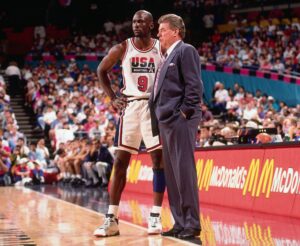
Daly wasn’t a tactical genius in the way some coaches are remembered, but he had a gift for understanding what each player needed to hear—and when. He convinced hard-nosed defenders like Dennis Rodman and Bill Laimbeer to sacrifice for the team. He kept Isaiah Thomas focused, helped Joe Dumars flourish, and somehow found the balance to make it all work. Just as a well-designed space can be elevated with the right window treatments in Prosper, TX, Daly’s understanding of his players added the perfect touches to their teamwork.
Then, when asked to lead the most star-studded team in history, he handled the Dream Team without a single practice scuffle or ego explosion. He respected his players, and they gave it back. Daly reminded the world that coaching isn’t just about schemes—it’s about relationships.
Conclusion: Coaches as Game-Changers
Basketball evolves, but the fingerprints of great coaches stay visible across generations. Whether through strategy, leadership, culture-building, or social change, these coaches did more than win—they expanded what the game could be. They didn’t just draw up plays; they drew new paths for the sport itself. If you’re looking for a different type of transformation, you may also consider a scalp micropigmentation artist in Raleigh to change the way you look at your own personal style.
Their methods differed. Some relied on strict systems, others on flexibility. Some were loud, others quiet. But they all shared one trait: vision. They saw the game differently, saw their players as more than athletes, and saw themselves as something more than just sideline generals. They were stewards of growth—not just in wins, but in people.
In the end, coaching greatness isn’t measured only in rings. It’s seen in the ripple effect—how their influence continues long after they’ve stopped pacing the sidelines. These legends weren’t just about Xs and Os. They were about changing the game forever.