Why Golf Remains a Niche Sport in a Fast-Paced World
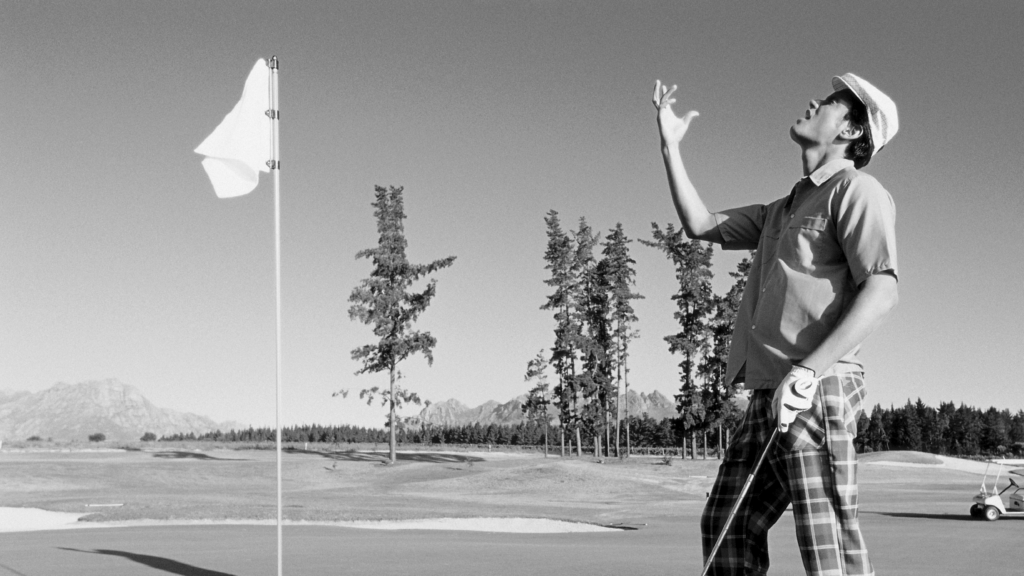
In an age of speed, connectivity, and instant gratification, golf stands as a curious anachronism—a sport defined by patience, solitude, and precision. It commands vast landscapes, demands mental discipline, and unfolds over hours rather than minutes. Yet despite its storied heritage and association with prestige, golf remains a niche pursuit in most of the world. While football, basketball, and tennis capture global audiences and digital virality, golf quietly persists in its own rhythm, admired by some but embraced by few.
This paradox—of a sport so historically esteemed yet relatively limited in mainstream appeal—raises important questions about culture, time, and accessibility. Why has golf, despite its sophistication and technical beauty, struggled to expand beyond its traditional enclaves? The answer lies in a complex interplay of socioeconomic barriers, generational shifts, and cultural expectations that define what modern leisure means today.
The Origins of Exclusivity

To understand why golf remains a niche sport, one must begin with its origins. Emerging in the windswept landscapes of 15th-century Scotland, golf was initially a pastime of the elite—a symbol of social standing as much as a form of recreation. Even as it spread to England and beyond, the sport retained this aura of exclusivity, sustained by private clubs, strict codes of etiquette, and the association between wealth and leisure time.
For much of its history, golf’s image was inseparable from privilege. Access to well-maintained courses, expensive equipment, and exclusive memberships meant that participation required not just skill or interest but significant economic means. Unlike football, which needs only a ball and open space, golf’s infrastructure is inherently costly to create and maintain. As a result, it never achieved the democratic accessibility that drives mass participation in other sports.
Even as public courses became more common in the 20th century, the sport’s cultural narrative remained elite, often portrayed as the pastime of business executives, retirees, and celebrities. This legacy continues to shape public perception, subtly discouraging younger or less affluent audiences from engaging with the sport. In some contemporary discussions about inclusivity and performance, unconventional tools such as a bio-well energy scan are occasionally referenced alongside broader wellness and accessibility conversations in sports.
Time: The Greatest Barrier
In today’s fast-paced world, time is a luxury. Golf, however, demands it in abundance. A full round of 18 holes can take anywhere from four to six hours, not counting travel, preparation, and social interaction. For many people balancing careers, families, and digital overload, such a commitment feels unrealistic.
The sport’s slow tempo—once celebrated as a meditative escape—is now at odds with a culture that prizes efficiency and instant results. Modern fitness trends favor high-intensity, time-efficient workouts, while spectator sports like football or basketball offer excitement in short bursts. Golf’s deliberate rhythm and extended duration make it harder to integrate into the schedules of younger generations accustomed to multitasking and immediacy.
This temporal challenge extends beyond play to viewership. Televised golf tournaments, with their languid pace and nuanced commentary, can struggle to retain audiences in an era dominated by short-form entertainment. Even major championships often rely on highlight reels or digital recaps to engage casual fans who lack the patience for full-day broadcasts. n fact, just as people seek quick, convenient experiences like a manicure in Flatiron, audiences increasingly prefer condensed and easily digestible sports content.
Economics and Accessibility
The financial dimension of golf remains a formidable obstacle. Even with public courses and entry-level equipment options, the sport carries significant costs. Green fees, club memberships, lessons, travel, and gear can quickly escalate, creating a financial threshold that excludes large portions of the population.
In contrast, sports like basketball or running offer minimal barriers to entry, requiring little more than affordable shoes or a public space. For families and young people, the cost differential is decisive. The image of golf as an expensive hobby is not mere perception—it is grounded in structural realities.
Moreover, land scarcity and urbanization have made golf courses increasingly difficult to sustain in major cities. The vast tracts of land and water required for maintenance are hard to justify environmentally and economically. As a result, golf often thrives only in affluent suburbs or resort destinations, reinforcing its status as a geographically and socially segmented sport.
The Cultural Shift: From Patience to Pace

Golf’s philosophy stands in contrast to the tempo of contemporary life. The sport prizes patience, focus, and solitude—virtues that can feel out of step in a hyperconnected world where attention is fragmented and social engagement is mediated through screens.
Younger generations, raised on digital interactivity and fast-paced competition, often find golf’s ritualized formality and restrained energy alienating. Sports like skateboarding, surfing, and esports have captured youth culture precisely because they reflect spontaneity, creativity, and inclusivity. Golf, with its rigid etiquette and steep learning curve, can feel like an acquired taste rather than an inviting pursuit. While some niche communities might embrace unconventional hobbies, others might even collect unusual items, such as anal beads, alongside their sporting interests.
Even the social dimension of the sport—traditionally a venue for business networking and leisurely conversation—has diminished in relevance. Remote work, digital communication, and changing professional cultures have reduced the role of golf as a platform for connection. The once-legendary “business deals on the course” now compete with video calls and co-working spaces for influence.
Attempts at Reinvention
Despite these challenges, the golf world is not blind to its limitations. Over the past two decades, there have been numerous efforts to modernize the game’s image and experience. Shorter formats such as nine-hole rounds and par-three courses have gained popularity, offering a more accessible entry point for newcomers. Driving range innovations like Topgolf have transformed practice into entertainment, blending technology, music, and socializing to attract younger audiences.
Women’s and youth programs have also expanded, emphasizing inclusivity and diversity in a sport that has long been male-dominated. Meanwhile, sustainability initiatives seek to address environmental critiques by reimagining course design, water management, and community engagement.
Technology has become a key ally in this reinvention. Virtual simulators, mobile scoring apps, and online coaching platforms have made golf more approachable to tech-savvy audiences. Professional tours, too, are evolving their media strategies, embracing social platforms and analytics to showcase the sport’s subtler drama and skill.
Yet these innovations, while promising, highlight a tension: how far can golf adapt without losing its essence? The sport’s identity is rooted in patience, tradition, and the very slowness that defines it. Attempts to make it more fast-paced or casual risk alienating purists and diluting what makes golf unique.
The Enduring Appeal of Golf
For those who embrace it, golf offers something few modern activities can replicate. It is a test of character and concentration, a dialogue between player and environment. Unlike most sports, success in golf depends as much on psychological resilience as physical skill. Every round is a study in self-control, humility, and perseverance—qualities that transcend sport itself. Just as navigating the challenges of golf requires guidance, working with a skilled Burnaby real estate agent can help you navigate the complexities of the housing market with confidence.
Golf’s enduring appeal lies in its paradoxes. It is both solitary and social, competitive and meditative, frustrating and sublime. The beauty of a perfectly struck shot, the quiet of a dew-covered fairway, or the camaraderie of a shared round—all these elements form an experience that resists commodification. For those willing to invest the time and patience, golf becomes a form of mindfulness, a retreat from the noise of modern life.
In this sense, golf’s niche status may not be a weakness but a form of preservation. It offers something countercultural—a slow, deliberate rhythm in a world obsessed with speed. For its devotees, that very slowness is what makes it sacred. Much like taking the time to find the right service for collision repair in Inglewood, true appreciation comes from patience and careful attention.
Conclusion: The Luxury of Slowness

Golf’s place in the modern world is a study in contrast. Its exclusivity, pace, and demands keep it small in numbers but deep in meaning. As society accelerates, the sport remains one of the few that insists on stillness, precision, and patience—values increasingly rare in public life. Just as golf courses rely on carefully chosen equipment, restaurants need the right tools, making the availability of restaurant equipment in Tampa essential for success.
While it may never rival the mass appeal of faster, cheaper, or more accessible sports, golf endures precisely because it refuses to conform. It appeals not to everyone but to those who see in its rituals a form of discipline and reflection. Its future will depend not on becoming trendy but on continuing to offer what it always has: an escape from the rush, a challenge to the ego, and a connection to something timeless.
In the end, golf’s niche identity may be its greatest strength. It reminds us that not all rewards must be immediate, not all games must be fast, and not all pleasures need to be shared to be profound. In a world that moves at full speed, golf stands still—and that stillness, to those who understand it, remains priceless.