From Jordan to Barrett: How Star Players Have Shaped the Duke-UNC Rivalry
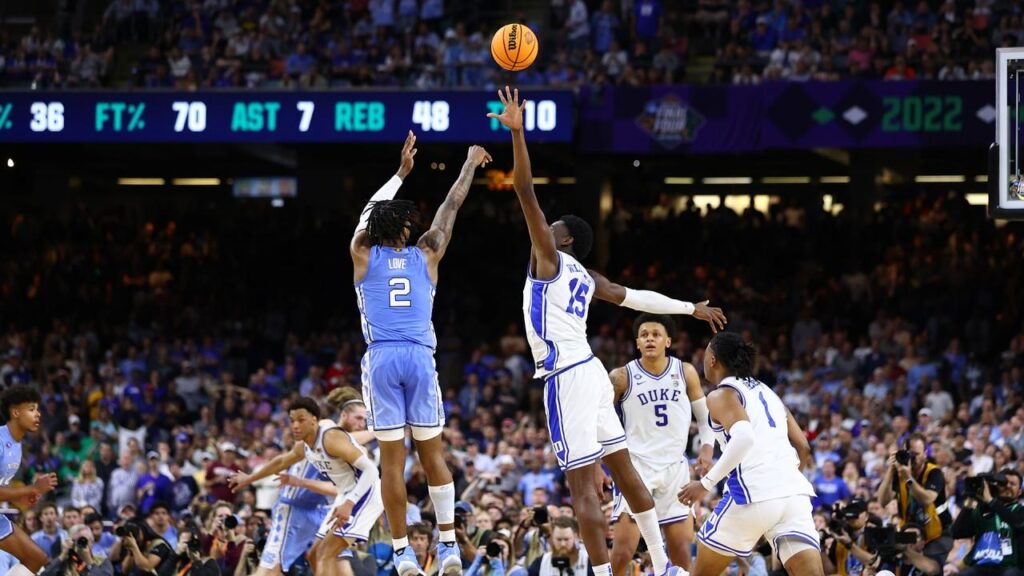
Few rivalries in sports capture the imagination quite like Duke versus North Carolina. Known as the “Tobacco Road” rivalry, it transcends basketball, embodying a cultural clash of tradition, ambition, and regional pride. Every game is more than a contest—it’s a story of personalities, legacies, and sometimes outright drama. While coaching brilliance and team strategy play a critical role, the rivalry often pivots on the shoulders of its most dazzling stars. From Michael Jordan to Zion Williamson and R.J. Barrett, individual players have not only defined games but have shaped the mythology of this historic matchup.
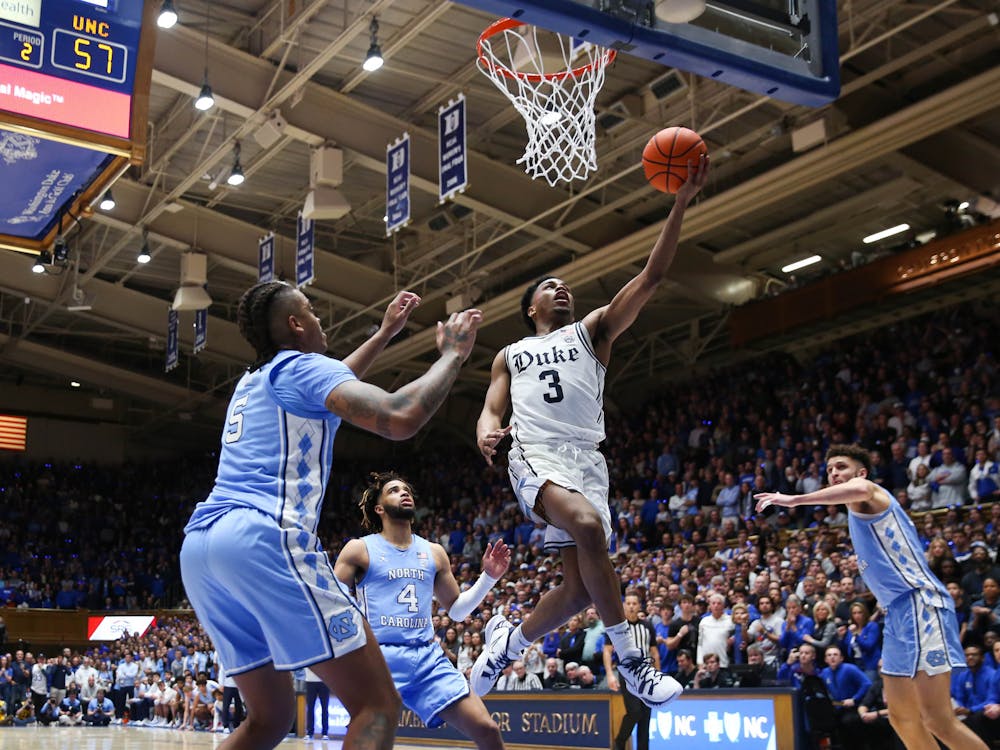
Michael Jordan: The Beginning of a Legend
When discussing iconic figures in the Duke-UNC rivalry, Michael Jordan inevitably dominates the conversation. Jordan’s UNC tenure in the early 1980s provided the template for how a single player could elevate a rivalry to legendary status. His game-winning shot in the 1982 NCAA Championship against Georgetown is often remembered, but it was in the regular clashes against Duke that he began to craft his competitive persona. Jordan wasn’t just scoring points; he was creating moments of drama, moments that fans would replay for decades. His combination of athleticism, grace, and sheer willpower set a new standard for what a star could bring to the court, transforming a high-stakes rivalry into a showcase for greatness.
Jordan’s influence went beyond points and rebounds. His presence forced Duke to elevate their play, inspiring legendary defensive schemes and clutch performances from opposing stars. The rivalry, once intense by regional standards, began to gain national attention largely because of the presence of a transcendent talent like Jordan. His ability to perform under pressure cemented the idea that in the Duke-UNC series, greatness could not be contained, and individual brilliance could define legacies.
Christian Laettner and the Duke Ascendancy
If Jordan represented the rise of UNC dominance, Christian Laettner symbolized Duke’s response in the late 1980s and early 1990s. Laettner’s combination of skill, versatility, and sheer competitive fire made him one of the most formidable players to ever step on the court in this rivalry. His matchups against UNC’s stars, like Eric Montross and Antawn Jamison, became must-watch television, blending athleticism with cerebral basketball. Laettner’s ability to hit clutch shots and dominate the paint forced UNC to adapt, further intensifying the rivalry.
What made Laettner so special in the context of Duke-UNC was his knack for turning regular-season games into national events. Fans flocked to watch him, not merely because of Duke’s brand but because Laettner could transform a tense, competitive game into a performance of near-theatrical intensity. Each possession felt meaningful, each play layered with consequence. For players on both sides, facing Laettner was a test of skill, patience, and mental fortitude.
Vince Carter and the New Era
Fast forward to the late 1990s and early 2000s, and the rivalry took on a new dimension with Vince Carter at UNC. Carter’s athleticism redefined expectations for what a wing player could do, blending dunking prowess with perimeter shooting and an uncanny ability to impact the game on both ends of the floor. The Duke-UNC games during Carter’s era were electric, characterized by high-flying dunks, clutch three-pointers, and a level of athletic spectacle that demanded attention from both casual fans and die-hard enthusiasts.
Carter’s presence highlighted a crucial aspect of the rivalry: the psychological impact of star talent. His ability to single-handedly swing momentum forced Duke to plan meticulously and execute flawlessly. It also raised the stakes for UNC, as every possession became an opportunity to prove dominance or suffer public disappointment. Carter’s era showed that stars didn’t just win games—they influenced narratives, dictated media coverage, and shaped how a rivalry was remembered.
The Modern Titans: Zion Williamson and R.J. Barrett
In recent years, the Duke-UNC rivalry has entered a new phase, marked by Zion Williamson at Duke and R.J. Barrett at UNC. Both players brought unparalleled hype and national attention, reflecting the modern era’s emphasis on one-and-done collegiate stars destined for the NBA. Williamson’s combination of size, explosiveness, and agility made him nearly unstoppable, while Barrett’s scoring ability, court vision, and poise under pressure allowed him to compete at the highest levels. Their matchups were not merely games—they were must-watch events, social media spectacles, and scouting showcases, all rolled into one.
Zion and Barrett’s era also highlighted the cultural shift in college basketball, where individual narratives can overshadow even historic team legacies. Fans debated who would dominate, analysts projected their NBA futures, and each game became a referendum on talent, preparation, and heart. These players reminded the public that, while coaching and strategy remain critical, the star at the center of the court often defines the emotional heartbeat of the rivalry. Williamson’s thunderous dunks became a visual shorthand for Duke’s dominance, while Barrett’s clutch performances reaffirmed UNC’s tradition of resilience.
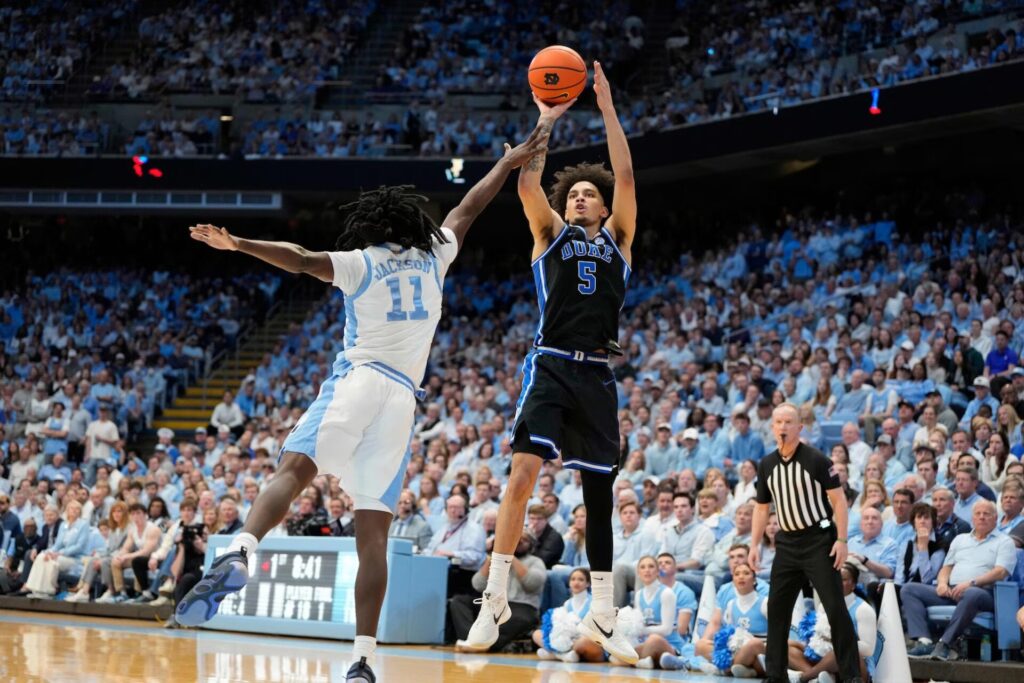
The Rivalry as a Stage for Greatness
What makes the Duke-UNC rivalry unique is its ability to amplify individual greatness within a team context. Unlike other college basketball matchups, the intensity of this rivalry transforms performances into mythic events. A clutch three-pointer, a defensive stop, or a dramatic dunk doesn’t just impact the scoreboard—it becomes part of the lore that fans, players, and historians reference for decades. From Michael Jordan’s graceful dominance to Laettner’s cerebral precision, from Carter’s athletic feats to the modern brilliance of Williamson and Barrett, stars have repeatedly turned this rivalry into a proving ground for basketball immortality.
The rivalry also forces stars to confront immense pressure. Every possession carries weight, every play is scrutinized, and every misstep can become iconic in its own right. For players, performing in the Duke-UNC series requires not just skill but a combination of mental toughness, charisma, and competitive ferocity. Those who rise to the occasion don’t just help their team—they leave an indelible mark on college basketball history.
Beyond the Court: Influence on Culture and Recruitment
Star players in the Duke-UNC rivalry don’t just shape games—they influence culture, recruiting, and the very perception of college basketball programs. Legendary performers like Jordan, Laettner, Carter, Williamson, and Barrett attract national attention, drawing fans, media coverage, and prospective recruits. Their presence helps define a program’s identity: UNC is associated with poise, competitive grit, and a storied legacy of talent development, while Duke embodies strategic brilliance, flair, and a relentless pursuit of excellence.
Recruiters and high school prospects pay close attention to the rivalry, often viewing it as a showcase for how players will perform under the brightest lights and heaviest expectations. For decades, the narrative has been clear: stars who shine in this rivalry are not just college heroes—they’re projected to become NBA luminaries. In this way, the individual brilliance of star players perpetuates the rivalry’s intensity, ensuring that each new generation of talent is aware of the stakes before they even step on campus.
The Intangible Impact of Stars
Beyond statistics and highlight reels, the greatest players in Duke-UNC history contribute something less tangible: a sense of drama and inevitability. When Jordan was on the floor, fans expected magic. When Laettner or Carter played, the outcome felt contingent on their willpower and decision-making. Today, Williamson and Barrett carry similar expectations. The presence of a transcendent star transforms games into narratives, giving each contest a story arc complete with heroes, villains, and pivotal moments.
This intangible element is what separates the Duke-UNC rivalry from other historic college basketball matchups. It’s not just that great teams face off—it’s that great players define eras, shape fan experiences, and create memories that outlast individual seasons. The rivalry’s lore is inseparable from its stars, each of whom becomes a chapter in an ongoing saga of excellence, rivalry, and human drama.
Looking Ahead: The Next Generation
As the rivalry evolves, new stars will continue to shape its trajectory. Each recruiting cycle brings fresh talent capable of leaving an imprint comparable to Jordan, Laettner, Carter, Williamson, or Barrett. Fans, media, and historians alike anticipate not only team success but also the emergence of personalities who can redefine the rivalry. In this way, the Duke-UNC matchup remains both timeless and adaptive: rooted in tradition yet perpetually energized by the next generation of stars.
Future players will inherit a mantle of expectation, stepping into arenas where every pass, dunk, or defensive stop carries historical weight. The intensity of the rivalry, amplified by the presence of superstar talent, ensures that no matter the era, these games remain cultural touchstones, arenas where greatness is both witnessed and tested.
Conclusion
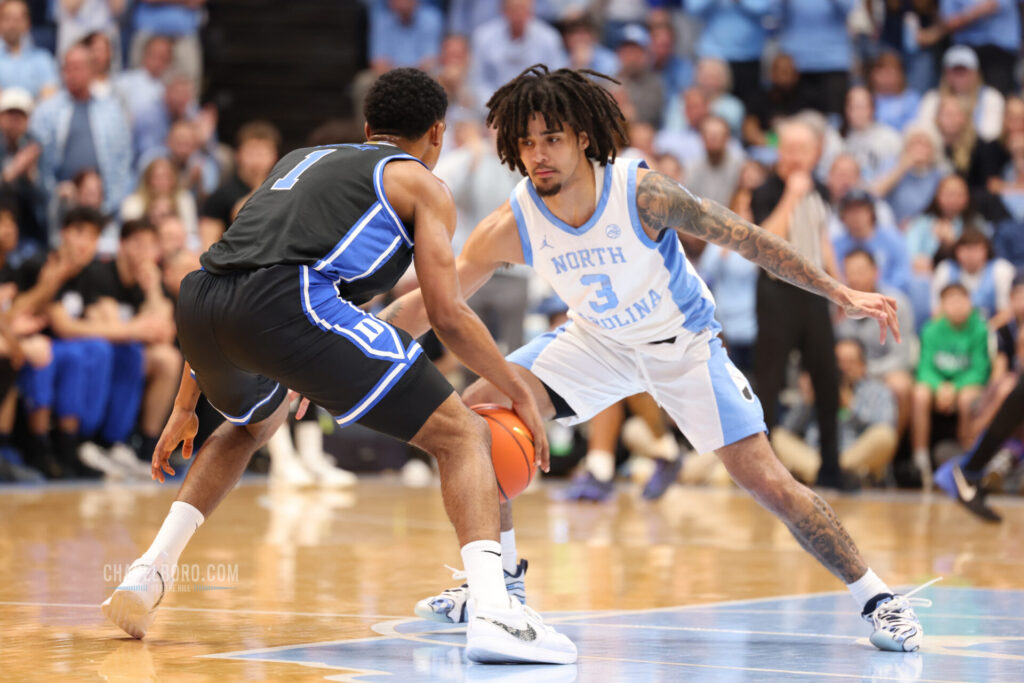
From Michael Jordan’s soaring dominance to R.J. Barrett’s clutch heroics, star players have continually defined the Duke-UNC rivalry. Their influence extends far beyond the court, shaping the cultural, psychological, and historical dimensions of one of sports’ most storied matchups. Each era of stars—from Laettner to Carter, from Williamson to Barrett—has elevated the rivalry, turning it into a theater of excellence, competition, and narrative drama.
The beauty of this rivalry lies not only in the team battles but in the way individual brilliance magnifies the stakes. Great players don’t just win games; they create moments that resonate for decades, inspire fans, and redefine the expectations of what it means to compete in college basketball.