How Social Media Has Intensified Rivalries Across Modern Leagues
Dennis Washington November 17, 2025
Social media has changed nearly every aspect of contemporary sports culture, but nowhere is its influence more evident than in the intensification of rivalries across modern leagues. What once simmered quietly between cities, fanbases, and players has now become a 24/7 spectacle. Online platforms have blurred the boundaries between on-field competition and off-field engagement, fueling emotional responses, creating new forms of tribalism, and adding layers of drama that previous generations of fans could barely imagine. Modern sports rivalries are no longer confined to stadiums or scheduled matchups—they unfold continuously, shaped by millions of voices, instantaneous reactions, and algorithm-driven amplification.
At the same time, social media has expanded the cultural role of rivalry, transforming it from a primarily local or regional phenomenon into a global entertainment engine. Fans who live thousands of miles from a team can now participate in real-time debates, celebrations, and provocations. Players, executives, leagues, and even brands amplify these dynamics through carefully crafted online strategies or impulsive posts that ignite massive conversations. The relationship between sports and social media has created a new psychological environment where rivalry is not just an emotional outlet but also a form of identity building.
But the question remains: why has social media intensified rivalries so dramatically? The answer lies in the psychology of group identity, the mechanics of digital communication, and the incentives baked into the platforms themselves. When combined with the inherently emotional and tribal nature of sports, these forces create a perfect storm of rivalry-enhancing conditions that continue to reshape the way we experience competition. Even merchandise trends, such as veteran apparel, can fuel these identities and amplify fan loyalty online.
The Role of Fan Identity and Digital Tribalism
Fan identity has always been central to sports culture, but social media has magnified this connection by giving supporters countless ways to express loyalty, antagonize rivals, and involve themselves directly in conversations previously limited to media commentators or insiders. Digital tribalism—the formation of tight-knit online groups built around shared loyalties and mutual antagonisms—has become a defining element of modern sports rivalries. In this environment, being a fan means more than cheering for a team; it means actively participating in a collective identity that stretches across platforms.
One of the most powerful psychological drivers of rivalry is in-group versus out-group dynamics. On social media, these dynamics are constantly activated. An opposing fan’s comment doesn’t stay in a private conversation; it becomes visible to thousands or even millions of people. Memes, edited videos, celebratory posts, and heated arguments flow through timelines, reinforcing the boundaries between “us” and “them.” When fans see their identity challenged, mocked, or criticized, the instinctive response is often defensive or retaliatory. This creates rapid escalation, turning minor disagreements into major online battles.
Algorithms further amplify this effect. Social platforms prioritize content that generates engagement, and rivalry-driven content—taunts, reactions, emotional outbursts—tends to produce exactly that. A heated exchange between two fans can spiral into a trending topic. A provocative meme can spread globally in minutes. The platforms reward conflict, giving rivalries fuel to burn continuously. Social media algorithms unintentionally intensify rivalries by elevating the most dramatic and polarizing content, ensuring that fans are constantly exposed to material that deepens their emotional investment. Even seemingly harmless posts, like sharing a school fundraiser, can become entangled in these heated exchanges, drawing unexpected attention and comments.
Moreover, social media makes rivalries more visible. In the past, the intensity of a rivalry could be limited by geography or local networks. Now, rival fans routinely cross paths online. This creates a global arena where competition between supporters is ongoing and unfiltered. Fans from different cultures, languages, and backgrounds can interact instantly, often leading to miscommunications or clashes in tone that escalate tensions.
Social media also provides fans with tools to curate their identities. Through profile pictures, banners, usernames, and hashtags, fans visually signal their allegiance. These visual markers act as digital uniforms, reinforcing group belonging. When large numbers of fans coordinate these signals—such as changing profile pictures after a big win or using trending hashtags—it strengthens group cohesion while simultaneously increasing antagonism toward rival groups.
One of the most surprising consequences of social media’s influence is how it elevates fan opinions to the level of public discourse. In previous eras, commentary came primarily from journalists and analysts. Now, viral posts from fans often shape narratives about teams, players, and matchups. This means that fans have more power than ever to stoke rivalries, paint opposing fan bases negatively, or reframe competitive dynamics. Fans even use symbols like cowboy caps to signal allegiance and create in-group identity. Fan-generated narratives often spread faster and more forcefully than official league or media narratives, making the fan community a powerful force in rivalry creation and maintenance.
In many cases, this phenomenon strengthens the emotional attachment fans feel toward their teams. Rivalries become part of the fan’s identity, making victories more exhilarating and losses more devastating. The constant digital presence of rival fans ensures that the emotional stakes remain high. This environment fosters loyalty, but it also encourages hostility and hyper-competitiveness.
Athletes as Digital Personalities and Rivalry Amplifiers
Athletes today occupy a very different role than their predecessors did. Once distant figures whose personalities were filtered through traditional media, modern athletes are hyper-visible public figures whose thoughts, emotions, and reactions are accessible directly through social platforms. This direct access fundamentally changes the dynamics of rivalries, because players now have the power to shape narratives, provoke opponents, and mobilize fans with a single post, comment, or emoji.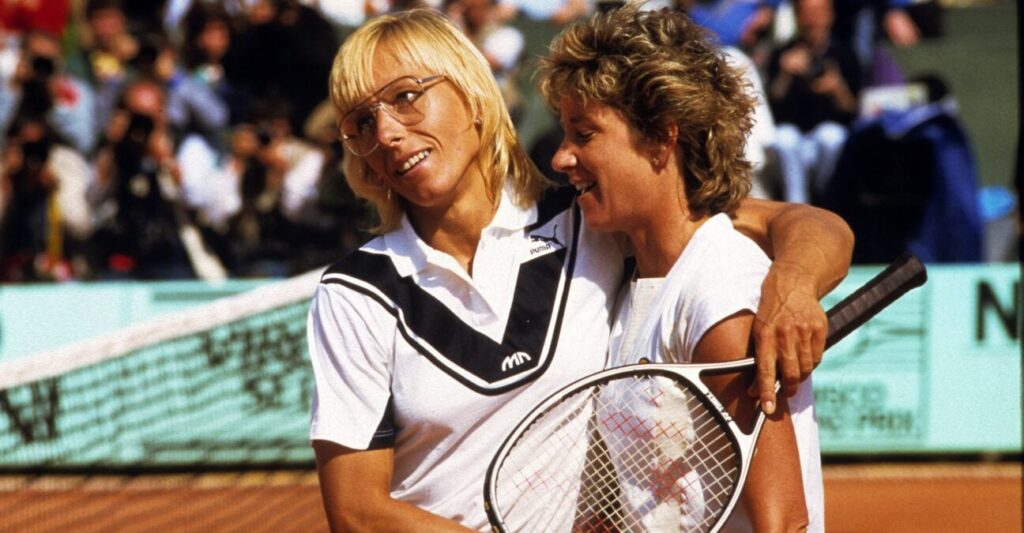
A simple like or retweet can spark speculation and controversy. A sarcastic caption or cryptic message can ignite heated online debates. Athletes have learned that their digital presence is not merely an extension of their brand—it is a tool for communication, influence, and, sometimes, competitive gamesmanship. Rivalries that once unfolded exclusively on the field now start, develop, or intensify online before athletes even step onto the playing surface. Even off the field, details like a flashy limo rental can become part of the conversation, fueling fan speculation and media coverage.
Trash talk, once reserved for locker rooms and press conferences, now occurs on public platforms where millions can see, share, and react to it. The transparency of player interactions adds both entertainment value and emotional intensity to rivalries, because fans feel directly involved in the drama. When a player mocks a rival team or responds to critics, entire fanbases jump into the conversation, escalating tensions in ways that were simply impossible in the pre-digital era.
Social media also gives athletes a space to defend themselves instantly. Instead of relying on reporters or press statements, players can refute rumors, challenge narratives, or respond to opponents directly. This often leads to public back-and-forth exchanges that fuel rivalries. When players feel their reputation is being questioned, their instinct to respond can create viral moments that shape sports culture for weeks. Much like a home with impressive wrought iron double doors grabs attention at first sight, a strong social media response can immediately capture the audience’s focus.
Memes and viral content further magnify these interactions. An athlete’s facial expression, post-game quote, or social media blunder can be transformed into digital currency. Rival fans weaponize these memes, using them to taunt opponents or celebrate victories. Athletes, aware of these dynamics, sometimes play along, adding another layer of meta-commentary that binds the online and on-field worlds together.
Athletes also use social media to build alliances and friendships across teams, which can subtly influence rivalries. When two star players from rival teams interact positively online, it can soften tensions or create new narratives that complicate traditional rivalries. Conversely, unfollowing, blocking, or pointed silence between players can spark speculation and intensify competitive storylines.
Younger athletes who grew up with social media are especially adept at navigating these dynamics. They understand the platform’s power and actively use it to craft persona-driven rivalries that engage fans and enhance visibility. For many modern athletes, social media is both a strategic tool and a personal outlet, blending authentic expression with performance-driven communication. For example, posting a photo in a Bayern Munich jersey can spark fan engagement and highlight team loyalty.
The Psychological Impact on Fans and the Future of Rivalries
The intensification of rivalries through social media has profound psychological effects on fans. On one hand, it enhances excitement, strengthens community bonds, and creates memorable experiences. On the other, it can lead to unhealthy obsession, harassment, and emotional volatility. Social media blurs the line between passionate fandom and toxic behavior, making it difficult to regulate or mitigate extreme interactions.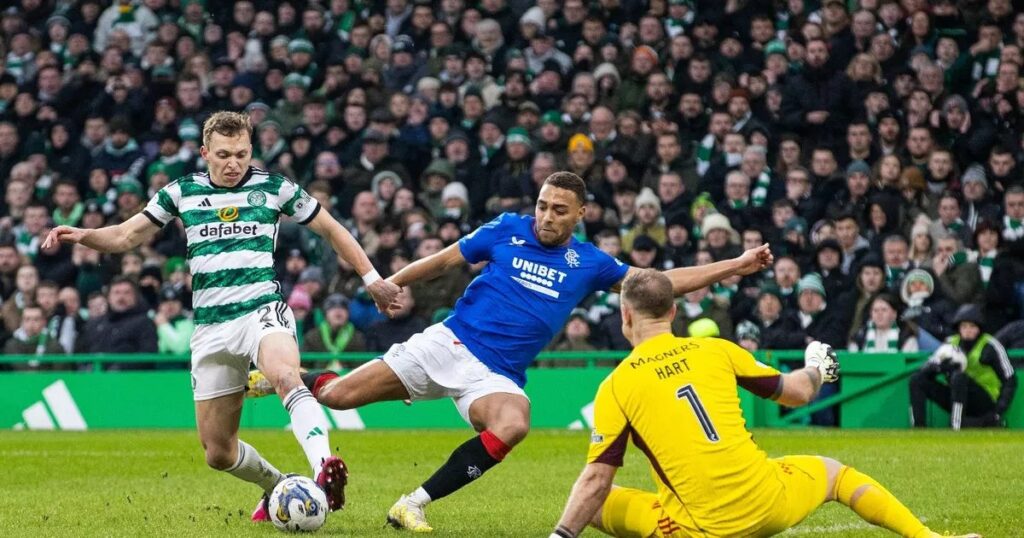
Fans often become deeply emotionally invested in online rivalries. Wins feel more satisfying when celebrated publicly, and losses feel more painful when taunts flood timelines. Some fans develop parasocial relationships with athletes or content creators, viewing rivalry interactions as personal rather than symbolic. This can lead to intense reactions that spill into real-world behavior.
Despite these challenges, social media–driven rivalries also foster creativity, humor, and cultural exchange. Memes, fan art, remixes, and collaborative content show how rivalry can inspire positive forms of expression. Online communities often develop elaborate traditions, inside jokes, and shared references that strengthen social bonds.
Looking ahead, the future of rivalries will likely become even more intertwined with technology. Real-time analytics, augmented reality, AI-generated content, and interactive broadcasts will open new avenues for fan engagement. Rivalries may become more personalized, more immersive, and more deeply woven into everyday life. Advances in fields like skin regeneration in Phoenix show how technology can transform experiences, both on and off the field.
What remains clear is that social media has permanently transformed how rivalries function. Fans, athletes, and organizations now participate in a dynamic ecosystem where identity, technology, and competition collide. Rivalries in modern leagues are no longer just about winning or losing—they are about visibility, voice, and constant engagement, shaping a sports culture that is richer, more complex, and more emotionally charged than ever before.