Clemson vs. South Carolina: A Rivalry That Defines Loyalty, Passion, and Southern Football
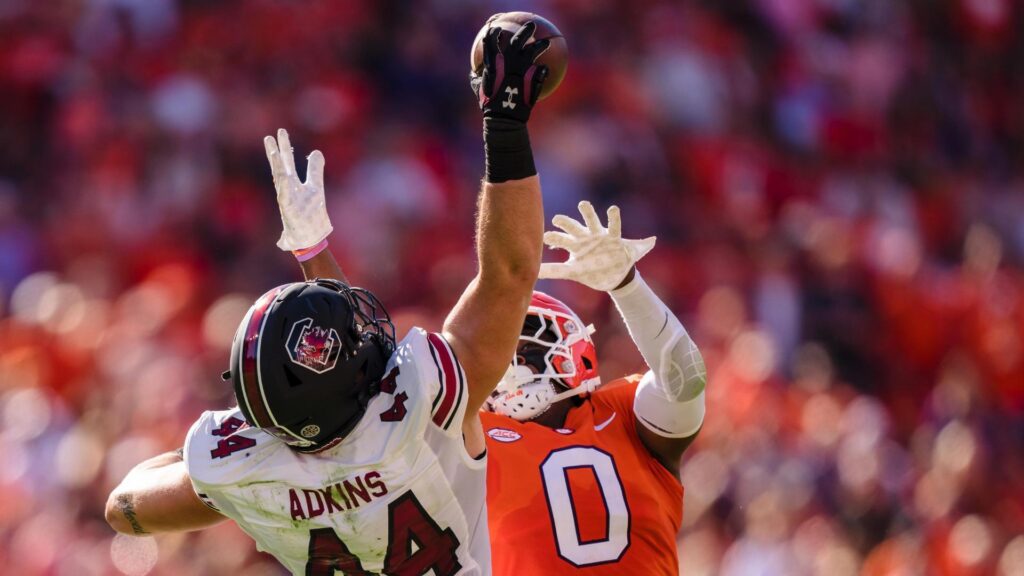
Few college football rivalries in America carry the weight of history, pride, and unrelenting passion like the matchup between Clemson University and the University of South Carolina. Known affectionately—and sometimes fearfully—across the Palmetto State as the “Palmetto Bowl”, this annual clash is far more than a game. It’s a cultural phenomenon, a test of loyalty, and a celebration of Southern football at its most intense. From legendary players to unforgettable moments on the field, the Clemson vs. South Carolina rivalry embodies the heart and soul of South Carolina itself.
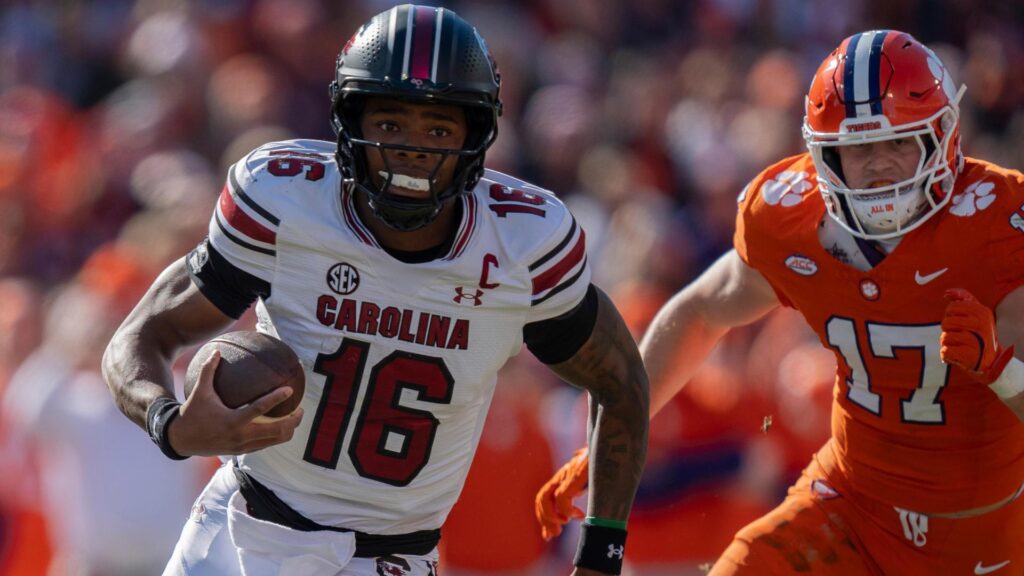
Origins of a Fierce Rivalry
The seeds of this rivalry were planted over a century ago. Clemson and South Carolina first faced off in 1896, and over the decades, the competition has become a cornerstone of both universities’ identities. The tension is palpable even before the kickoff. Alumni, students, and fans across the state watch with bated breath, knowing that bragging rights last far longer than the scoreboard indicates. In many ways, the rivalry is a reflection of South Carolina’s cultural duality: a mix of pride in local heritage and a relentless drive to claim superiority in every arena, whether academic, athletic, or social.
Legends That Shaped the Rivalry
Over the years, Clemson and South Carolina have produced some of college football’s most iconic figures. Steve Taneyhill, a quarterback for the Gamecocks in the late 1990s, remains a symbol of South Carolina’s fearless style, often leading his team to improbable victories against the Tigers. On the Clemson side, Deshaun Watson’s tenure in the mid-2010s elevated the rivalry to new heights, showcasing precision, leadership, and an unshakable confidence that left fans and opponents alike in awe. Watson’s performance in the 2015 matchup, where he led Clemson to a decisive win, is still remembered as a turning point in the modern era of the rivalry.
Coaches have also left indelible marks on this historic contest. Danny Ford, Clemson’s legendary coach, and Steve Spurrier, South Carolina’s own football genius, transformed these games into epic battles of strategy and willpower. Spurrier, in particular, brought a flair for offense that often put Clemson on its heels, creating some of the most thrilling encounters in college football history. These figures don’t just appear in the record books; they live on in fan lore, their names whispered in barrooms, classrooms, and stadiums across the state.
A Rivalry Rooted in Passion
The Clemson vs. South Carolina game is about more than statistics; it’s about emotion. The rivalry sparks passionate displays of loyalty unlike any other in college sports. Fans paint their faces in garnet and black or orange and purple, parade through the streets, and fill stadiums with chants that echo through the surrounding towns. It is a shared experience, connecting generations who remember different eras yet feel equally invested in the outcome.
Tailgating for the Palmetto Bowl is a ritual unto itself. Families bring generations together, with grandfathers passing down stories of past triumphs and heartbreaks. The rivalry is almost ritualistic in its ability to unify and divide simultaneously. For one afternoon each year, South Carolina is a state divided by color, by chant, and by allegiance. And yet, this division is laced with respect—after all, both schools understand that the rivalry thrives on the intensity of the opposition.
Unforgettable Moments on the Field
Every great rivalry has its defining moments, and Clemson vs. South Carolina is no exception. One of the most memorable matchups came in 2013, when Clemson, under the leadership of Tajh Boyd, overcame a late-game deficit to secure a dramatic win. The crowd erupted, and for Tigers fans, the victory became a cherished memory, replayed in highlight reels and social media posts for years. Conversely, South Carolina’s stunning 2000 win, led by quarterback Marcus Lattimore, is remembered for its sheer dominance and the heartbreak it caused Clemson supporters statewide.
These games are often decided by a single play, a single mistake, or a flash of brilliance. It’s not unusual for the Palmetto Bowl to feature lead changes in the final minutes, punishing interceptions, or unexpected heroics from unsung players. The stakes are always high, and the tension is tangible—not just on the field, but in the stands, where thousands of fans live and breathe every yard gained and every touchdown scored.

Coaches, Strategy, and Mind Games
Coaching in this rivalry is a chess match. Each team studies the other relentlessly, seeking weaknesses and anticipating tendencies. Danny Ford, Steve Spurrier, and more recently, Dabo Swinney, have all elevated the strategic component of this game to near mythic levels. Swinney’s calm demeanor contrasts sharply with the chaos of game day, yet he consistently instills discipline and preparation in Clemson’s players that can turn a tight contest into a commanding victory.
South Carolina, under Spurrier and later coaches, often embraced an aggressive offensive approach, attempting to outscore Clemson in a thrilling back-and-forth style. This clash of philosophies—discipline versus audacity, defense versus offense—adds another layer to the rivalry. Fans don’t just support a team; they root for a worldview, a strategy, and a culture of football that defines who they are.
The Fan Experience
The atmosphere surrounding the Clemson vs. South Carolina rivalry is unlike any other in college football. The week leading up to the game is electric, filled with pep rallies, alumni gatherings, and local traditions that remind everyone why this matchup is special. On game day, stadiums overflow with energy, chants echo across the fields, and every snap carries a weight far beyond its statistical significance.
This rivalry also permeates daily life across South Carolina. Local bars, restaurants, and workplaces pause to follow the game. Social media buzzes with memes, predictions, and spirited debates. Even those who don’t attend the game feel its gravitational pull. It’s more than a sporting event; it’s a state-wide spectacle that defines community and identity.
Cultural and Economic Impact
The Clemson-South Carolina rivalry is not just a cultural phenomenon; it has tangible economic consequences as well. Hotels fill to capacity, restaurants experience surges in patronage, and local businesses capitalize on the frenzy. Merchandise sales skyrocket as fans proudly display colors, logos, and memorabilia. For a state so invested in its football identity, the Palmetto Bowl is a significant driver of commerce, tourism, and local pride.
Culturally, the rivalry fosters a sense of belonging and continuity. It connects generations who share stories of games long past, heroes once celebrated, and upsets that shook the foundations of fandom. Whether it’s a grandmother recounting a 1970s victory or a student celebrating a recent triumph, the game is a bridge across time, linking South Carolina’s past to its present.
Rivalry in the Modern Era
In recent years, Clemson has experienced a period of dominance under Dabo Swinney, capturing national titles and maintaining one of the most formidable programs in the country. Yet South Carolina continues to fight with unyielding spirit, producing memorable games and upsets that remind fans why this rivalry endures. The dynamic nature of the matchup ensures that no matter the records, no matter the rankings, the game retains its unpredictable thrill.
Even as college football evolves, with playoff systems, conference realignments, and technological advances, the Clemson vs. South Carolina rivalry remains untouched in its essence. It’s a testament to tradition, resilience, and the passion that only Southern football can inspire.
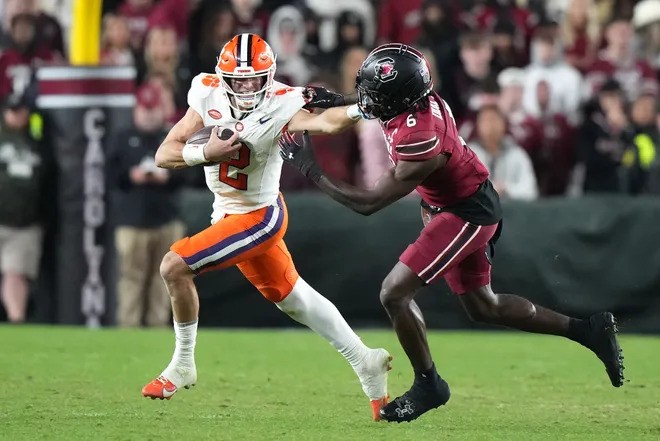
Why the Rivalry Matters
The Clemson-South Carolina rivalry endures because it transcends wins and losses. It’s about loyalty—loyalty to a team, a university, and a way of life that values courage, tradition, and excellence. It’s about passion—the kind that makes strangers into friends and rivals into respected adversaries. And it’s about football—not just as a sport, but as a cultural touchstone that unites communities and ignites emotions year after year.
In many ways, this rivalry defines what college football is meant to be. It captures the joy of victory, the agony of defeat, and the profound human desire to belong, compete, and celebrate history. Every touchdown, every tackle, every roar from the stands contributes to a narrative that stretches over a century, proving that some rivalries are more than games—they are the heartbeat of a region, the soul of a sport, and a living testament to loyalty and passion.