When Respect and Hatred Coexist in Elite Basketball Rivalries

Basketball, at its highest levels, is more than a game. It is a stage where talent, strategy, pride, and emotion intersect. Elite rivalries in basketball are a fascinating study of human behavior, as they showcase the delicate balance between mutual respect and intense animosity. The paradox of elite basketball rivalries is that players can harbor deep respect for their opponents’ skills and work ethic while simultaneously feeling profound competitive hatred. This duality fuels some of the most compelling moments in the sport, both on and off the court. Understanding how respect and hatred coexist in these rivalries offers a window into the psychology of competition, the cultural significance of sports, and the fine line between admiration and enmity in high-stakes athletic environments.
The Roots of Rivalry: More Than Just Competition
Rivalries in elite basketball rarely emerge from a single game or season. They are often the product of years of overlapping careers, repeated high-stakes encounters, and contrasting personalities. Many of the most intense rivalries stem from the collision of distinct basketball philosophies. For example, one team may emphasize speed and athleticism, while another prioritizes methodical execution and defense. When these styles clash repeatedly in important games, a rivalry develops organically, fueled by the cumulative frustration and admiration that each side holds for the other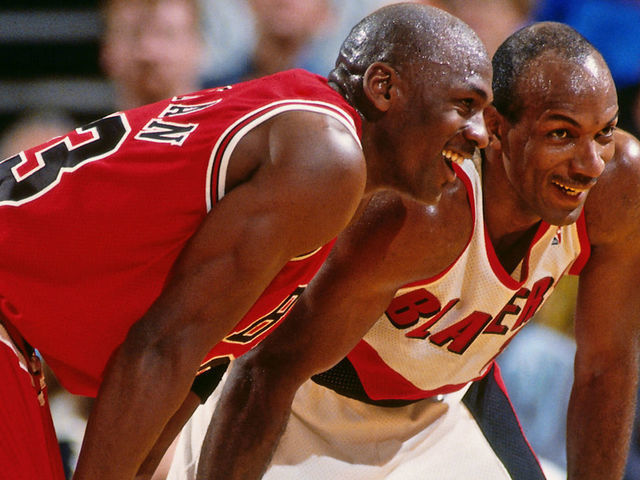
Historical context also plays a major role. Fans often project societal, regional, or cultural tensions onto basketball rivalries, intensifying feelings on both sides. Teams from cities with long-standing economic, cultural, or political competition often carry that tension into the arena, making the basketball court a symbolic battlefield. In such cases, hatred becomes amplified, not just from the desire to win but also from the weight of identity, legacy, and pride. Players absorb these dynamics, understanding that victory or defeat carries implications far beyond the scoreboard.
Another significant factor is individual competition within team contexts. Star players often face each other repeatedly in crucial games, creating personal rivalries within team rivalries. This scenario encourages mutual recognition of talent and work ethic, which fosters respect. At the same time, the repeated confrontation magnifies competitive hatred. The blend of admiration for an opponent’s skill and the desire to dominate them encapsulates the duality at the heart of elite basketball rivalries. It is this combination of personal, team, and societal stakes that allows respect and hatred to coexist. Without these overlapping layers, rivalries remain superficial, failing to evoke the intense emotions that define basketball’s most memorable conflicts.
Respect: Admiration Born from Excellence
Respect is the first pillar that underpins elite basketball rivalries. It arises from the acknowledgment of talent, work ethic, and dedication that each player or team brings to the court. Even in the heat of a fiercely contested series, players often recognize that their opponents’ skills push them to improve, creating a mutual understanding that success in the sport requires extraordinary effort. Respect is not about friendship or warmth; it is about recognizing that one’s rival embodies a standard of excellence that commands acknowledgment.
In elite basketball, respect manifests in multiple ways. For instance, players may study opponents meticulously, learning to anticipate moves and strategize effectively. This level of attention and preparation demonstrates admiration for the rival’s abilities, as no athlete dedicates extensive effort to someone they consider unworthy. Post-game interviews frequently reveal the duality of respect: players might celebrate their team’s victory while publicly praising their opponents’ resilience, talent, or strategic acumen. Coaches, too, often speak about rival teams with a mix of reverence and tactical caution, acknowledging that past defeats or narrow wins are evidence of genuine skill.
Respect can also temper the intensity of rivalry, ensuring that competition remains honorable. Even during highly charged games, players often follow unwritten rules that reflect their admiration for the game and their opponents. Avoiding cheap fouls, acknowledging exceptional plays, or maintaining professional conduct on the court are all subtle ways respect expresses itself amid animosity. Without respect, rivalries can devolve into chaos, driven solely by hatred and resentment. The enduring rivalries in basketball maintain a balance: players push each other to the limits but recognize that excellence on both sides is necessary for the rivalry’s significance.
Mutual respect also shapes public perception. Fans and analysts often celebrate rivalries not only for the drama but for the display of elite skill. When two teams or players compete at the highest level, their rivalry becomes a showcase of basketball mastery, where respect for performance underlies the emotional intensity. This admiration for talent, even in the context of hatred, elevates the sport, ensuring that rivalry contributes positively to basketball’s legacy rather than merely perpetuating conflict. Without this respect, rivalries lose depth, becoming mere contests of anger rather than profound tests of ability and character.
Hatred: The Fire that Fuels Competition
While respect forms the foundation, hatred is the flame that drives elite basketball rivalries. This hatred is rarely personal in the conventional sense; instead, it is a manifestation of competitive drive, emotional investment, and the high stakes inherent in elite sport. Hatred motivates players to perform at their peak, pushing them through physical pain, psychological pressure, and moments of doubt. Without this intensity, rivalries risk becoming predictable or lackluster, stripped of the drama that captivates audiences.
Hatred in basketball rivalries often develops from repeated high-stakes encounters where previous defeats or controversies leave lasting emotional impressions. A single game’s contentious foul, a critical missed shot, or a series of narrow losses can spark resentment that persists over seasons. Players internalize these experiences, channeling frustration into determination. This type of competitive hatred is constructive in the context of elite basketball, as it heightens focus, strategy, and execution without devolving into unprofessional conduct. It is the engine that transforms respect into fierce, memorable contests.
Fan culture can also amplify hatred, creating an external environment that pressures players to perform with intensity. Spectators frequently assign symbolic meanings to games, framing victories and defeats as battles for pride, honor, or even identity. Players internalize this atmosphere, increasing emotional stakes and, consequently, competitive hatred. The synergy between player determination and fan passion intensifies rivalries, ensuring that games between elite opponents are infused with energy and tension unmatched by routine contests.
Hatred in elite basketball is not static; it fluctuates with context, results, and circumstances. Players may feel acute animosity during a playoff series but maintain respect in the offseason. This ebb and flow illustrate the coexistence of hatred and respect: both emotions are situationally bound, yet each plays a critical role in defining the rivalry. Hatred is essential for pushing boundaries, creating drama, and sustaining the emotional engagement of players and spectators alike. Without it, rivalries risk losing their psychological edge, reducing them to mere statistics and routine performances.
Conclusion: The Enduring Legacy of Rivalries
Elite basketball rivalries are a study in contrasts, where respect and hatred coexist to create compelling, high-stakes drama. These dual emotions drive players to excellence, shape fan experiences, and elevate the sport beyond mere competition. The respect players hold for one another’s skills ensures that games are fair, strategic, and honorable, while the hatred fuels the intensity, urgency, and emotional stakes that make rivalries unforgettable. From the early Celtics-Lakers duels to modern superstar showdowns, the coexistence of respect and hatred has defined the culture of elite basketball, ensuring that rivalries remain central to the sport’s identity.
In the end, rivalries in basketball reveal the complexity of human emotion in competition, highlighting how admiration and animosity can thrive side by side. Players, coaches, and fans all contribute to this dynamic, creating narratives that transcend the court. Respect and hatred together forge moments of brilliance, tension, and historical significance, reminding us that elite basketball is not just a test of skill, but a showcase of the human spirit in all its competitive, emotional complexity. These rivalries endure because they embody a paradox: you can deeply respect your adversary while passionately despising the idea of losing to them, and it is precisely this paradox that makes elite basketball rivalries some of the most fascinating phenomena in sports.