When Brothers Become Foes: Muay Thai Rivalries Within Gym Families
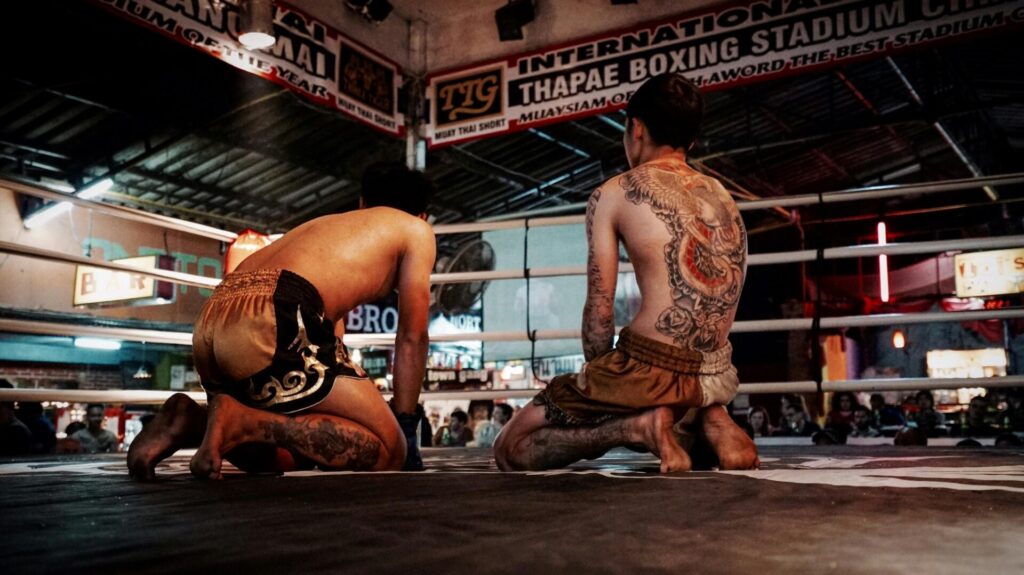
Muay Thai, the ancient martial art from Thailand, is known for its brutal striking techniques, deeply ingrained traditions, and the powerful bonds it creates among practitioners. For many, training in Muay Thai becomes a family affair, where bonds are formed through sweat, pain, and victory. It’s common to see entire families within the same gym, supporting each other, sharing triumphs, and pushing each other to become better fighters. However, in this close-knit environment, the lines between kinship and competition can blur. Sometimes, even the strongest familial bonds are tested when brothers in the same gym become rivals in the ring.
The idea of brothers fighting one another is both compelling and complex. On the one hand, there’s an inherent understanding between siblings that goes beyond technique—it’s built on years of shared experiences. Yet, the drive to be the best can foster tension, competition, and, ultimately, resentment. In the world of Muay Thai, this rivalry can manifest itself in unique and sometimes heartbreaking ways. When training together and competing within the same gym, even the most loving of brothers can find themselves in direct competition, each vying for the same titles, recognition, and respect.
This phenomenon is not unique to Muay Thai but is particularly intense in combat sports where direct physical confrontation is a fundamental part of the practice. In Muay Thai, the very nature of the sport—where a fighter must constantly push the limits of their body and mind—can amplify tensions between brothers who are training in the same discipline.
The Birth of Rivalry: A Shared Passion Turned Competitive
In Muay Thai, rivalries between brothers often begin in the most innocent of ways. As children, siblings grow up together, sharing similar interests, experiences, and values. In many cases, they may begin their Muay Thai journey together, learning the basics side by side, their coaches treating them as one entity in training. Initially, the brothers might support each other, offering encouragement, help with techniques, and even a sense of camaraderie. However, as the training intensifies and they begin competing more seriously, the seeds of rivalry are sown.
As each brother progresses, the nature of competition becomes more pronounced. The skill levels begin to differ, and the once-innocent camaraderie can shift to a more complex relationship. Training becomes about not just learning but proving oneself—to the coach, to the gym, and to each other. Sometimes, even their choice of gear—like flashy cowboy clothing in the gym—adds another layer to their rivalry. This transition often leads to conflict, especially if both brothers are ambitious or striving for the same goals.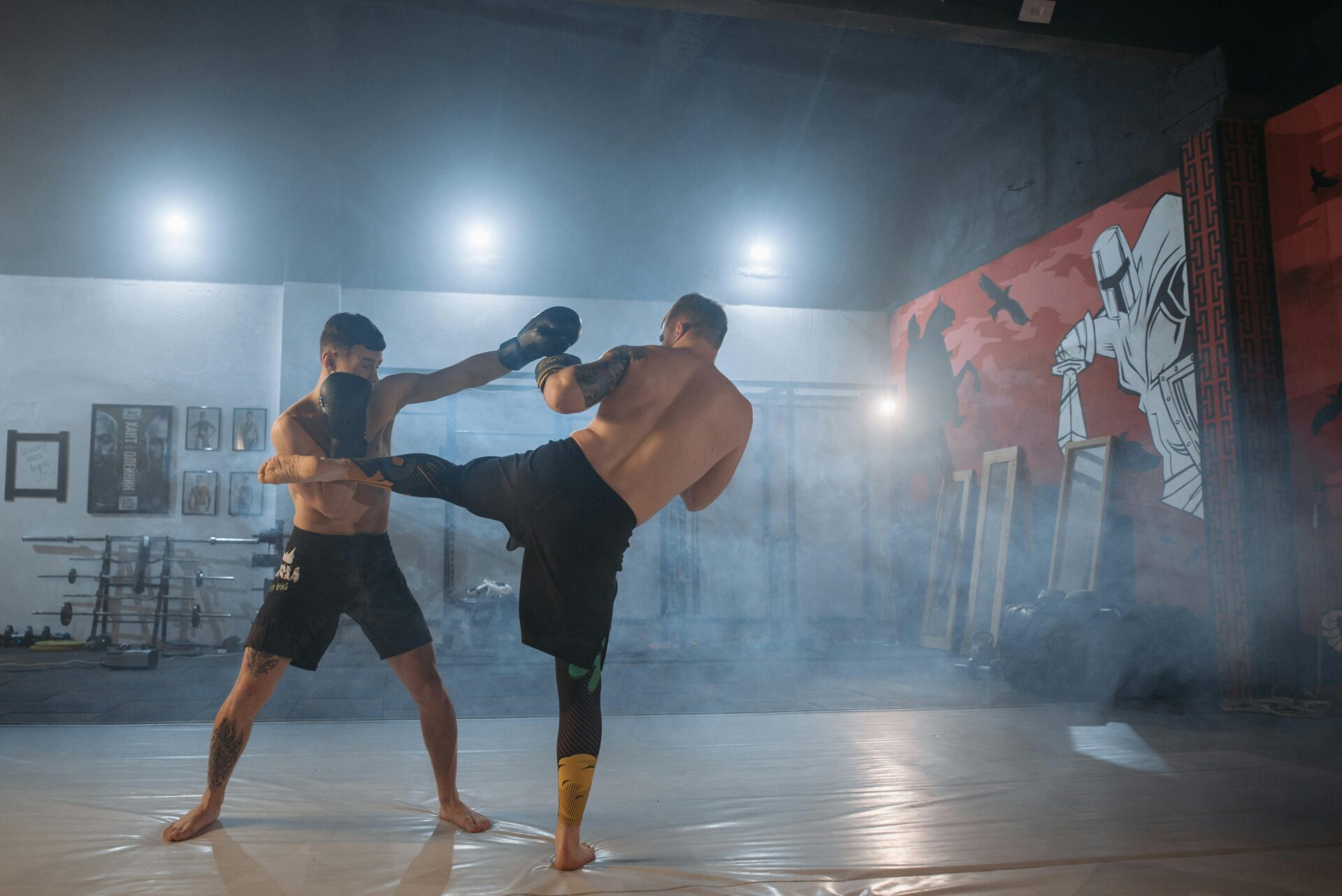
The nature of Muay Thai itself can amplify these tensions. Unlike some other sports, Muay Thai requires complete commitment—mentally, physically, and emotionally. Fighters train intensively, constantly pushing their limits, and the sport demands total dedication. This can cause a strain, especially if one brother starts to outperform the other, whether in training or in competitions. It’s not just about improving skill; it’s about dominating the sport, and when two brothers are fighting for the same dream, one may feel overlooked or left behind. Some athletes even turn to supplements like a libido enhancer to help balance hormonal stress from intense training regimens.
The internal conflict can be further exacerbated by the desire to represent the family name. In a tight-knit gym or a family-run Muay Thai school, the idea of legacy plays a huge role. Brothers may feel the pressure to live up to the family’s legacy or make a name for themselves, leading to an intense rivalry as each tries to outdo the other. What was once a shared passion can easily turn into a contest of superiority.
Training Together, Competing Against Each Other
One of the most challenging aspects of sibling rivalry in Muay Thai is the difficulty of training and fighting together in the same gym. It’s hard to separate personal relationships from the competitive nature of combat sports. When brothers train in the same gym, they often share the same coach, the same resources, and the same space, all of which can foster a sense of shared success—or failure. Yet, when the time comes to compete, the pressure of being on the same team while fighting against each other can cause intense emotional strain. Some siblings even turn to practices like microneedling in New Orleans to carve out their own identity and personal space outside of the ring.
In most gyms, a close relationship exists between coaches and students, where the coach sees every fighter as an extension of themselves. But when there’s an emotional connection between two fighters, particularly siblings, the situation becomes even more complex. Both brothers may receive similar training, yet they may interpret or apply that training differently. This difference in approach can create conflict when it comes to strategy, technique, and even their standing within the gym’s hierarchy.
The psychological toll on both brothers can be immense. In Muay Thai, mental toughness is just as important as physical strength, and competing against a sibling can trigger feelings of inadequacy, anger, or even betrayal. The gym itself, often a supportive environment, can feel like a battleground where siblings are forced to choose between loyalty to one another and loyalty to the sport. This internal battle can affect their training sessions, making it harder to focus, communicate, and progress. Sometimes, finding a way to relax and unwind, such as playing a blues harmonica, can help ease the mental strain and bring some balance.
When one brother starts to outshine the other in competition, it often causes jealousy, frustration, and bitterness. One brother may feel like he’s not receiving the recognition he deserves, while the other may feel guilty for surpassing his sibling. This emotional complexity can turn a once-strong bond into a fierce rivalry that not only impacts their training but their relationship outside the gym as well.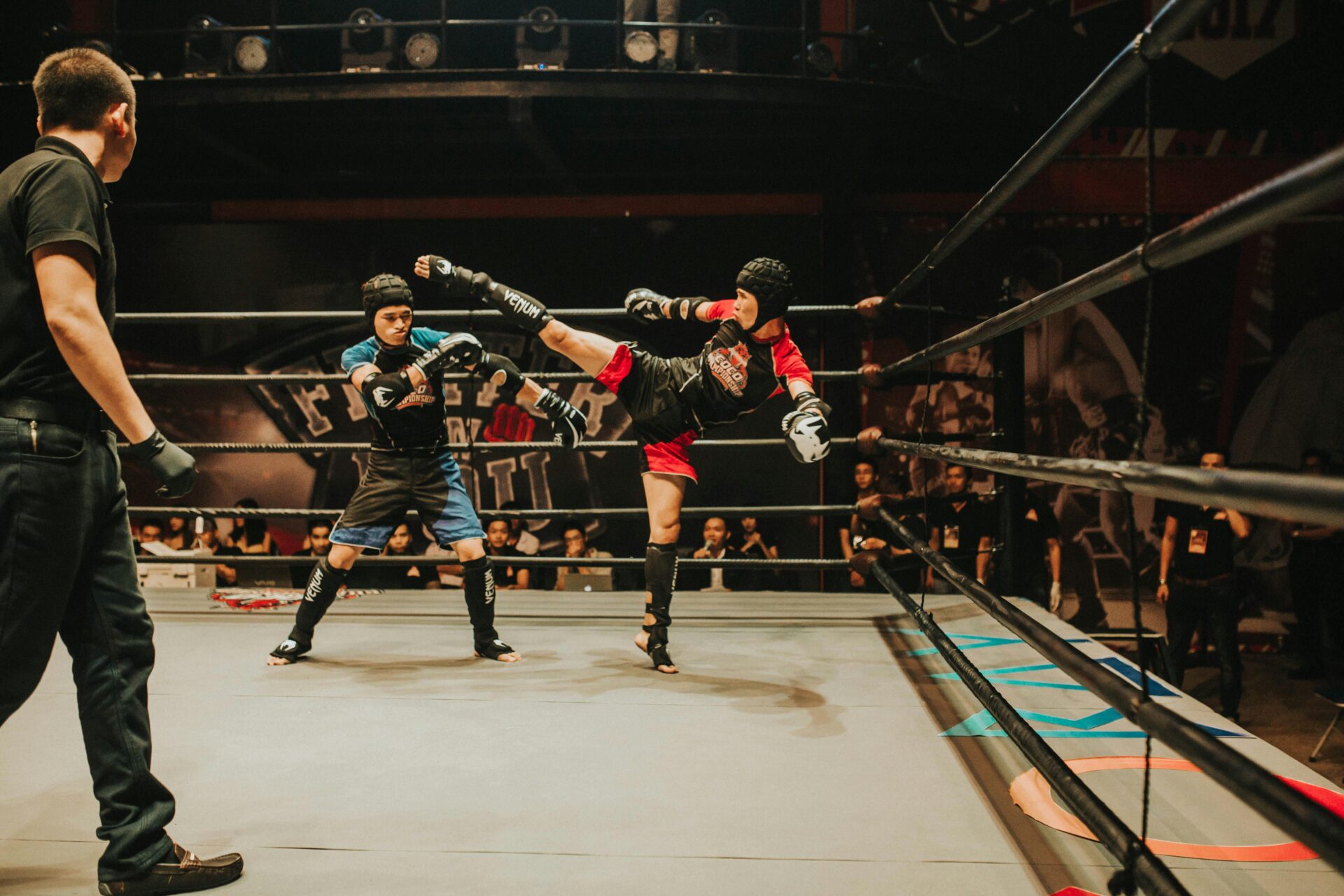
The Role of the Coach in Navigating Sibling Rivalry
The coach’s role in sibling rivalries is one of great importance, and their handling of such conflicts can determine whether the rivalry remains a healthy motivator or turns destructive. A skilled Muay Thai coach must walk a fine line between encouraging healthy competition and preventing rivalry from spiraling out of control.
Coaches must recognize the unique dynamics between siblings and take steps to ensure that the rivalry doesn’t overshadow the goal of helping both brothers improve as fighters. Open communication is key—a coach must address the emotional and psychological aspects of rivalry, helping each brother understand that while they may be competing against each other, they are also striving for mutual success. A coach can also encourage each brother to focus on their personal journey, reminding them that they are ultimately fighting not just for recognition but for their growth as martial artists.
In some cases, a coach may decide to pair brothers up for sparring sessions, turning their rivalry into a tool for growth rather than division. By allowing them to push each other in a controlled, constructive environment, the coach can foster respect between the siblings. This is particularly important because sparring and training together can sometimes cause one brother to feel superior or inferior, depending on the outcome of a match. In this setting, the coach’s role is to manage the intensity of the sparring and ensure that both brothers are learning from the experience rather than letting it feed their resentment. In situations where disputes escalate beyond the gym, seeking professional advice for matters such as small claims court representation in Mississauga, ON, can provide clarity and resolution.
However, some sibling rivalries can become so intense that they undermine the team dynamic within the gym. In these cases, a coach may need to intervene more forcefully, either by suggesting one brother move to a different gym or training with a different set of sparring partners. Though it’s not ideal, sometimes this separation can help the brothers grow as individuals and allow them to reconcile their differences.
Conclusion: A Complex and Powerful Rivalry
In the world of Muay Thai, rivalries between brothers are not just about technique or titles—they are about the complex, emotional relationships that exist within a family. As siblings grow into competitors, the bonds of brotherhood are tested in ways that are both profound and painful. The very sport that brought them together as children can sometimes drive a wedge between them, as they battle not only for victories but for validation, respect, and recognition.
These rivalries, while difficult, can also push each brother to reach new heights. The shared experiences, the emotional rollercoaster, and the intense training create a relationship that is simultaneously supportive and competitive. In some cases, they even have to undergo a respiratory mini-panel PCR to ensure their health before intense physical activity. In the end, the rivalry often strengthens the brothers, forcing them to confront their limitations, grow as fighters, and, perhaps, reconcile their differences.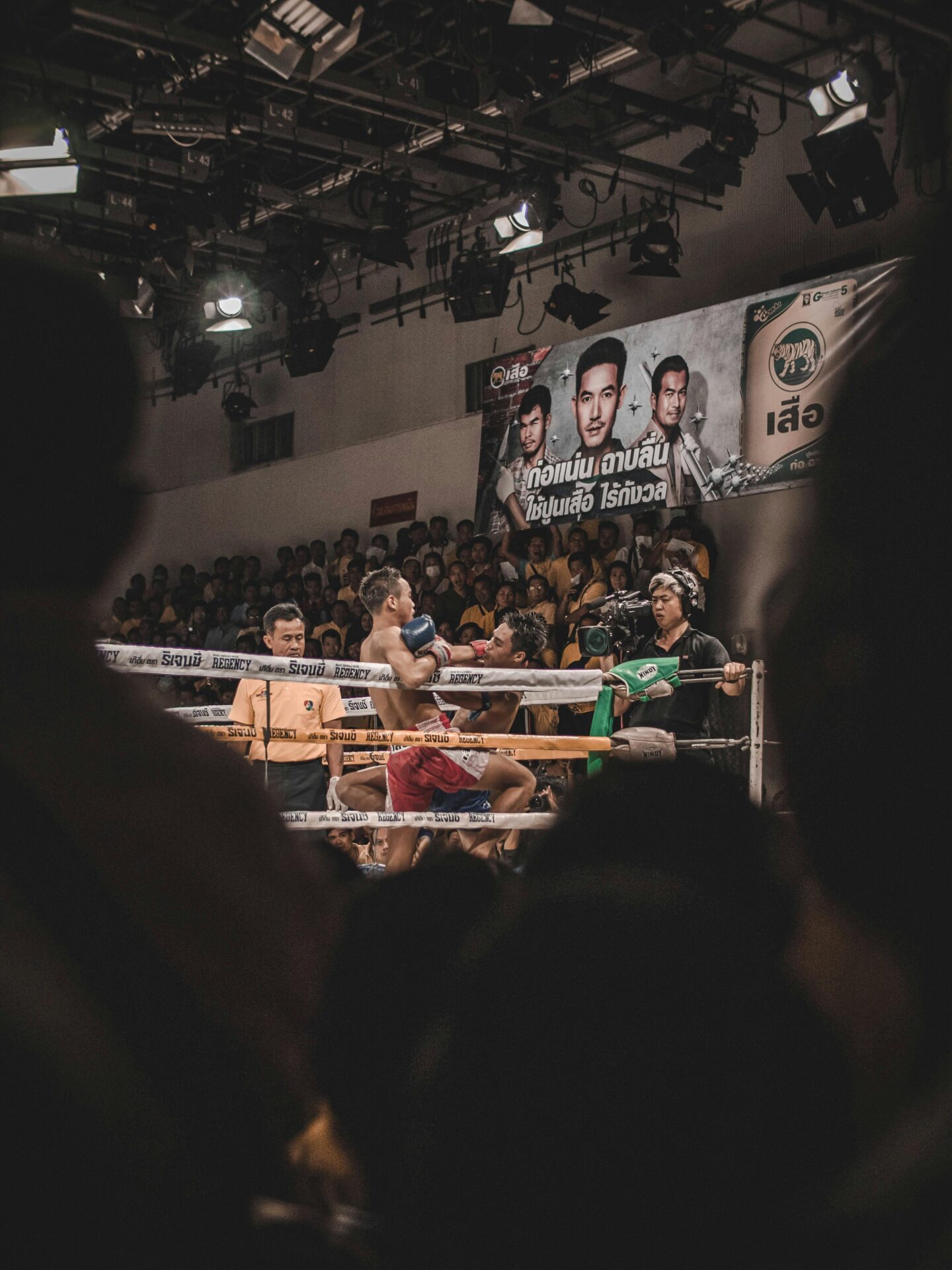
For some, the rivalry remains a temporary phase in their journey as martial artists, while for others, it may shape their career and relationship with their sibling forever. Either way, the complex and powerful nature of Muay Thai rivalries within gym families is a testament to the intense drive and passion that fuels the sport, and the emotional depth that comes with competing at the highest level. Capturing these intense moments often requires the eye of a skilled wedding photographer in Miami, FL, who understands the significance of family dynamics and rivalry.