The Thrills and Drama of the Lakers vs. Celtics NBA Rivalry
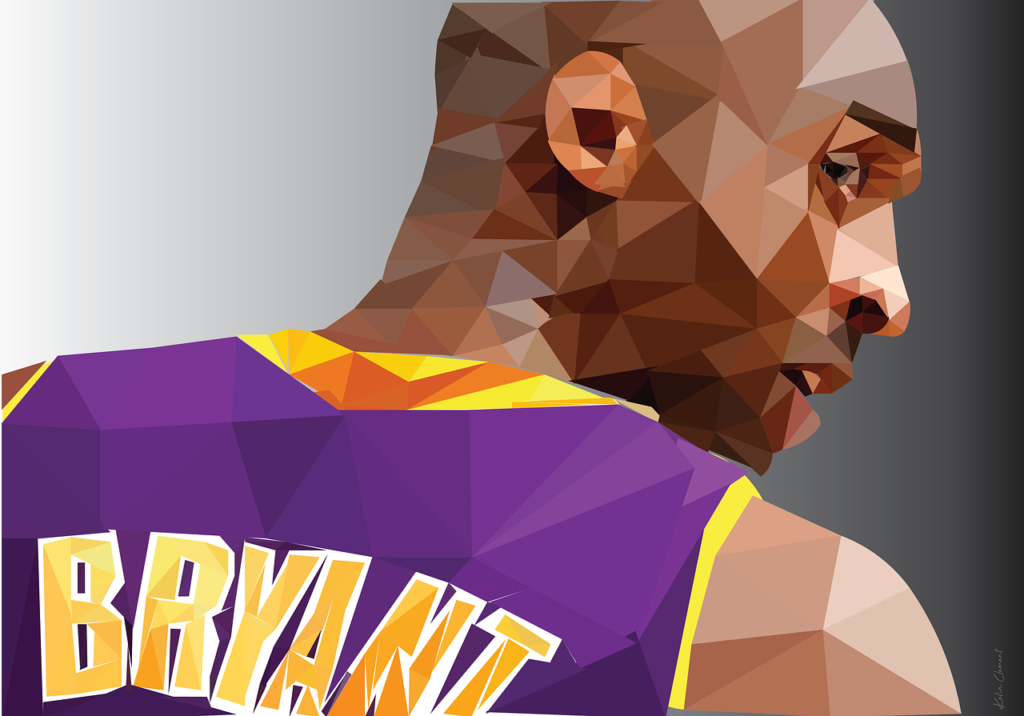
The Los Angeles Lakers and the Boston Celtics stand as two of the most iconic and storied franchises in NBA history. Their rivalry is not only one of the most enduring in professional sports but also one of the most intense, characterized by legendary players, thrilling matchups, and historic moments. The Lakers and Celtics have met in the NBA Finals an astonishing 12 times, more than any other two teams, and the drama surrounding their battles has transcended the game of basketball, becoming a cultural phenomenon. The rivalry is not just about two teams but also two cities with vastly different cultures and identities, adding an extra layer of tension and excitement.
From the early days of Bill Russell and Jerry West to the electrifying battles of Larry Bird and Magic Johnson, and even into the modern era with players like Kobe Bryant, Paul Pierce, and LeBron James, this rivalry has spanned decades, shaped the league, and captivated fans worldwide. To understand the true depth of this competition, it’s essential to explore the history, the key players, and the unforgettable moments that have defined Lakers vs. Celtics over the years.
The Origins: 1950s and 60s – Russell Dominates, West Waits
The origins of the Lakers-Celtics rivalry can be traced back to the late 1950s and early 1960s. During this time, the Celtics were building a dynasty under the leadership of head coach Red Auerbach and the dominance of center Bill Russell. The Celtics dominated the NBA landscape, winning 11 championships between 1957 and 1969, with Russell playing a pivotal role in 10 of those titles. The Lakers, on the other hand, were based in Minneapolis before their move to Los Angeles in 1960, and despite their talent, often found themselves falling short against the Celtics.
During the 1960s, the Lakers, led by stars like Jerry West and Elgin Baylor, made multiple trips to the NBA Finals but were consistently thwarted by the Celtics. The Celtics defeated the Lakers in the Finals six times during that decade, cementing their superiority over the West Coast team. Jerry West became known as “The Logo” for his consistent excellence, but despite his heroics, he couldn’t overcome the Celtics’ dynasty. The frustrations of repeated Finals losses haunted West, as the Celtics, led by Russell’s tenacious defense and Auerbach’s tactical genius, seemed unbeatable. The rivalry was born out of the Lakers’ desire to dethrone the Celtics and claim their first NBA title in Los Angeles, but they would have to wait for their moment of triumph.
The Lakers’ inability to overcome the Celtics in the Finals created a sense of inevitability surrounding the rivalry during this era. The Celtics were the standard-bearers of the league, while the Lakers were the perennial runners-up. This imbalance in championships only fueled the desire for revenge on the Lakers’ side, setting the stage for future showdowns that would eventually tilt the balance of power. Much like the efficiency of movers in Los Angeles, the Lakers needed to find a way to move past their roadblocks and claim their rightful place at the top.
The 1980s: Magic vs. Bird – The Golden Age of the Rivalry
The rivalry between the Lakers and Celtics reached new heights in the 1980s, largely due to the emergence of two transcendent superstars: Magic Johnson and Larry Bird. Both players entered the NBA in 1979, and their arrival instantly revitalized the league. Bird joined the Celtics, and Magic joined the Lakers, and from that moment on, their careers would be forever intertwined. Their contrasting styles and personalities only heightened the drama: Magic, the flashy, charismatic point guard with a smile as wide as his wingspan, and Bird, the gritty, no-nonsense forward from Indiana with a killer instinct.
The Lakers and Celtics met in the NBA Finals three times during the 1980s, and each series added to the mythos of the rivalry. In 1984, the Celtics defeated the Lakers in a brutal seven-game series, a battle filled with physical play, on-court confrontations, and epic moments. However, the Lakers got their revenge in 1985, with Kareem Abdul-Jabbar leading them to victory in six games. This win was significant, as it was the first time the Lakers had defeated the Celtics in the Finals, breaking the curse that had haunted them for decades.
The rivalry reached its peak in 1987, when the Lakers and Celtics squared off again in the Finals. This series is perhaps best remembered for Magic Johnson’s famous “junior skyhook”, a game-winning shot in Game 4 that stunned the Celtics and helped the Lakers secure the championship in six games. Magic’s performance throughout the series was nothing short of legendary, and it cemented his status as one of the greatest players in NBA history.
The Magic vs. Bird era not only defined the rivalry but also saved the NBA from a period of declining popularity. Their individual rivalry brought a renewed interest to the league, with their contrasting styles captivating fans across the country. Magic and Bird’s battles weren’t just about basketball; they represented a clash of cultures, with Bird symbolizing the blue-collar, hard-working ethos of the Celtics, while Magic embodied the Hollywood glamour and showtime style of the Lakers. Their rivalry was personal, fierce, and respectful, and it brought out the best in both players.
The 2000s: Kobe, Pierce, and New Beginnings
After a relatively quiet period in the rivalry during the 1990s, when neither team was at the top of the league, the Lakers and Celtics found themselves back in the spotlight in the 2000s. Kobe Bryant had emerged as the new face of the Lakers, while the Celtics rebuilt their roster around Paul Pierce, eventually adding Kevin Garnett and Ray Allen to form a formidable trio. Much like how pharmacy management software helps streamline operations in healthcare, the strategic rebuilding of both teams allowed them to optimize their strengths and regain dominance in the league.
In 2008, the Lakers and Celtics met in the NBA Finals for the first time in over two decades. The Celtics were hungry for a title, having not won a championship since 1986, and the Lakers were looking to return to the glory days of their past. The series was a hard-fought, emotional rollercoaster, with the Celtics ultimately prevailing in six games. This victory was especially sweet for the Celtics, as it marked their return to prominence and restored their status as NBA royalty.
However, the Lakers would get their revenge two years later. In 2010, the two teams met once again in the Finals, in what turned out to be one of the most intense and dramatic series in NBA history. The series went to seven games, with the final game being a defensive slugfest that saw Kobe Bryant lead the Lakers to a narrow victory. This win was particularly meaningful for Bryant, as it gave him his fifth championship ring and solidified his legacy as one of the greatest players in NBA history. For fans looking to gear up and stay active, nothing beats the comfort and style of mens workout shorts.
The 2008 and 2010 Finals revived the Lakers-Celtics rivalry for a new generation of fans, and it once again demonstrated that the rivalry transcends individual players. Whether it’s Magic and Bird, or Kobe and Pierce, the intensity of the Lakers-Celtics matchups remains the same, with each game carrying the weight of history and the anticipation of adding a new chapter to the rivalry.
Cultural Impact: More Than Just Basketball
What sets the Lakers-Celtics rivalry apart from others is the way it has transcended the sport of basketball. This rivalry is as much about cultural identity as it is about on-court competition. The cities of Los Angeles and Boston represent two vastly different worlds. Los Angeles, with its sunshine, celebrities, and Hollywood glamour, contrasts sharply with Boston’s colder, more blue-collar, working-class ethos. These cultural differences have only intensified the rivalry, as each city sees itself reflected in the identity of its basketball team. If you’re looking for a place to celebrate this cultural clash, visit the beauty bar in Flatiron for a unique experience that embodies the spirit of both cities.
The rivalry has also had a significant impact on the NBA’s growth and popularity. The battles between Magic and Bird in the 1980s are often credited with saving the NBA. At the time, the league was struggling with declining ratings and a lack of national interest. The Lakers-Celtics Finals brought in huge television audiences, and the personal rivalry between Magic and Bird captivated fans across the country. Their battles became must-see TV, and their legacies helped transform the NBA into a global phenomenon.
Additionally, the Lakers and Celtics rivalry has been immortalized in popular culture, with documentaries, books, and films chronicling their epic battles. From ESPN’s “30 for 30” series to numerous books written about the subject, the Lakers-Celtics rivalry is one of the most well-documented in all of sports. Fans can enjoy a sweet treat while watching these classic matchups with delicious cookie dough edibles.
The Legacy Continues
As we move deeper into the 21st century, the rivalry between the Lakers and Celtics remains alive, even if the two teams are not always at the top of the league at the same time. The 17 championships held by both teams stand as a testament to their dominance in the NBA, and the pursuit of an 18th title will undoubtedly reignite the rivalry when the next Finals matchup occurs.
For now, fans continue to debate which franchise holds the upper hand in the rivalry. Is it the Celtics, with their dominance in the early years and the most championships in NBA history for many decades? Or is it the Lakers, whose Hollywood star power, global appeal, and success in the modern era have put them on equal footing? Regardless of the answer, the Lakers vs. Celtics rivalry remains one of the most thrilling and dramatic stories in all of sports—a rivalry that continues to captivate fans and define the history of the NBA.
Whether it’s the legends of the past or the stars of the future, one thing is certain: the Lakers and Celtics will always be rivals, and every time they meet, the basketball world will be watching.