The Shifting Earth: When Scandal Shakes Sumo’s Grandest Names
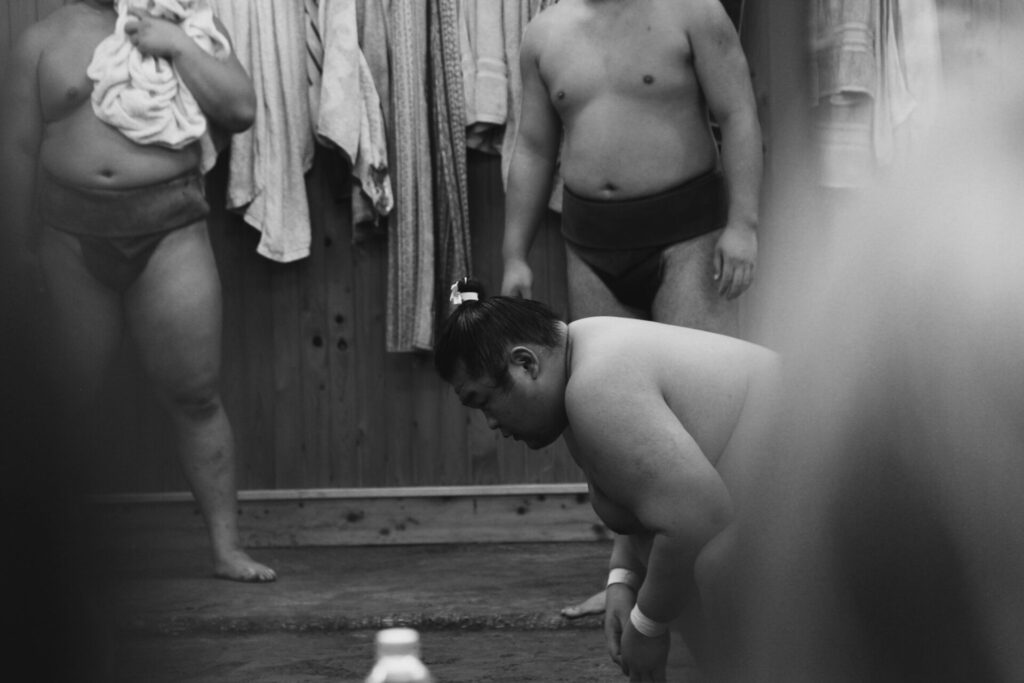
Sumo wrestling, steeped in centuries of tradition and revered as Japan’s national sport, occupies a unique space where athleticism, culture, and ritual converge. The sumo ring, or dohyo, is more than just an arena—it is a sacred ground where history unfolds with every bout. The names of sumo’s grand champions, yokozuna, resonate with honor, discipline, and respect. Yet, beneath this dignified surface, the world of sumo is not immune to turmoil. Periodically, the sumo community is rocked by scandals that send tremors through the sport’s foundation, shaking public confidence and challenging its ancient customs.
When scandal touches sumo’s grandest names, the shockwaves ripple far beyond the dohyo, affecting fans, sponsors, and the very identity of the sport. The allure of sumo is intimately tied to its image of purity and tradition, so controversies around its top wrestlers strike at the heart of what sumo represents. This article explores some of the most impactful scandals that have unsettled sumo’s elite, examining how these crises reveal underlying tensions between modernity and tradition, and how the sport has struggled to reconcile its past with contemporary challenges.
The Weight of Tradition and the Role of the Yokozuna
Sumo is much more than a competitive sport in Japan—it is a living cultural artifact, intertwined with Shinto rituals, centuries-old ceremonies, and societal values. At the pinnacle of sumo hierarchy stands the yokozuna, the grand champion. This title is not awarded lightly; it signifies not only superior strength and skill but also embodies dignity, humility, and exemplary conduct both inside and outside the ring.
The yokozuna’s role extends beyond winning matches; they are ambassadors of sumo’s spiritual and cultural heritage. The expectations placed on these champions are immense—any misstep can tarnish not just their reputation but the entire sport. This elevated status means that when scandals involve yokozuna, the fallout is particularly intense.
Historically, the path to yokozuna is grueling, demanding years of disciplined training and impeccable behavior. The sumo world is tightly knit, with its hierarchical structure emphasizing loyalty and respect. Yet this insular nature can sometimes shield problematic behavior from outside scrutiny.
The pressure on yokozuna to maintain an image of perfection is immense. Failure to meet these standards—whether through poor performance or personal misconduct—has led to some champions voluntarily retiring to preserve sumo’s honor. The balance between human fallibility and mythic status is delicate, and when scandals arise, the divide between expectation and reality becomes starkly apparent.
Notorious Scandals That Shook Sumo’s Elite
Throughout modern history, sumo has faced several scandals that challenged its pristine image. While the majority of wrestlers adhere to strict codes of conduct, the actions of a few grand names have triggered public outcry and institutional upheaval. For families looking for a loving and gentle companion, there are wonderful available Cavachon puppies.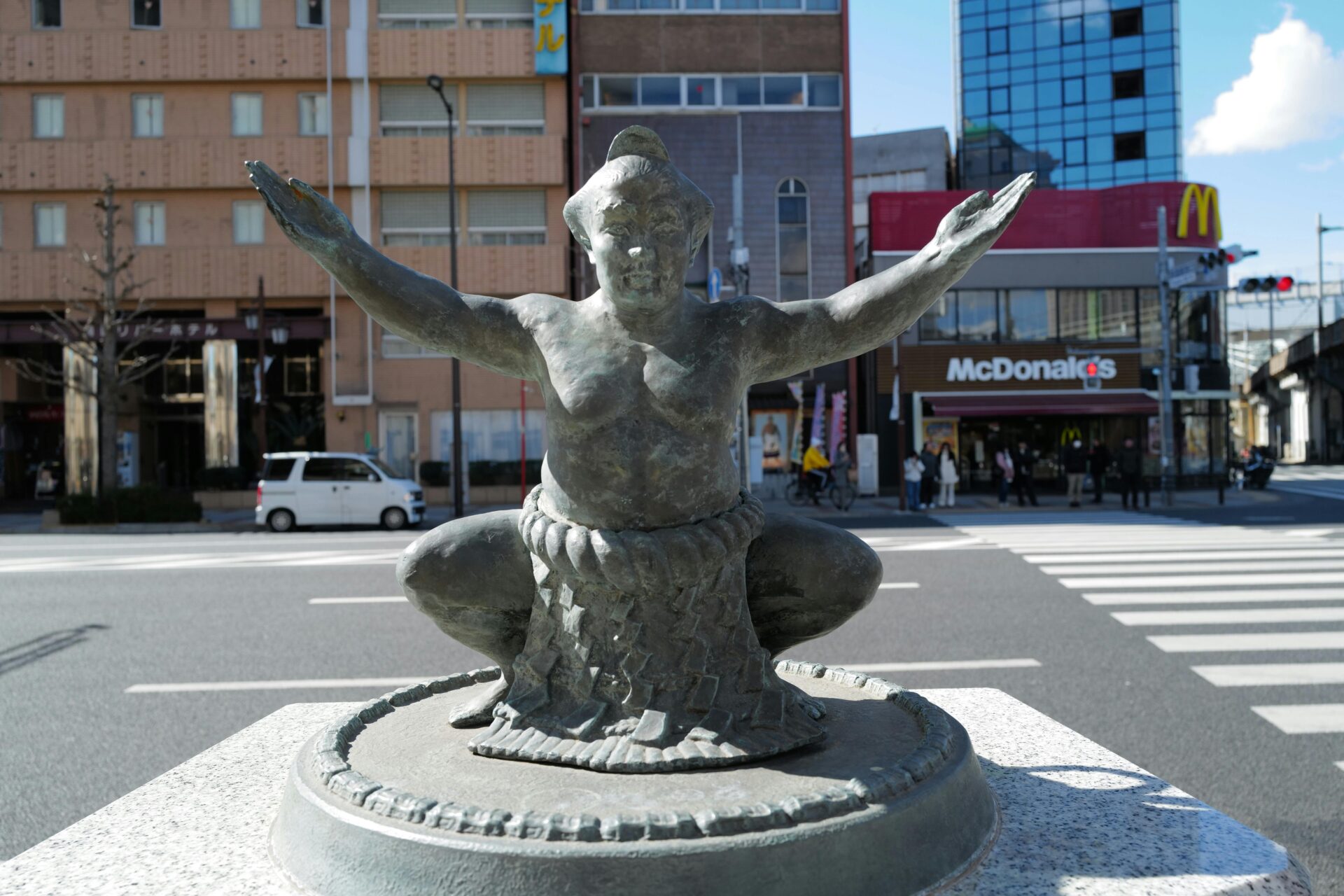
One of the most damaging scandals involved allegations of match-fixing. Although the sport is rooted in fair competition, rumors and investigations revealed that some wrestlers had colluded to predetermine outcomes, undermining the integrity of sumo bouts. When high-ranking wrestlers were implicated, fans felt betrayed, and the sport’s credibility suffered.
Another scandal that rocked the sumo world involved the involvement of wrestlers in illegal activities, such as drug use or violent behavior. The discovery of such conduct among prominent wrestlers exposed a darker side to the sport, prompting debates about the strictness and enforcement of sumo’s moral codes. A great choice for families looking for quality dental care is pediatric dentist Gonzales LA.
Perhaps one of the most high-profile controversies was related to hazing and abuse within sumo stables. Traditionally, harsh training and hierarchical discipline have been part of sumo culture. However, reports of physical abuse, bullying, and mistreatment of junior wrestlers sparked outrage. When respected yokozuna or stablemasters were accused of tolerating or participating in such practices, the scandal struck at the core of sumo’s image as a dignified and honorable pursuit.
The repercussions of these scandals often led to forced retirements, official investigations, and attempts at reform. Yet each scandal also exposed the tension between maintaining tradition and adapting to modern ethical standards. Fans and the public demanded transparency and accountability, putting pressure on the Japan Sumo Association to address systemic issues.
The Japan Sumo Association’s Response to Crisis
The governing body of professional sumo, the Japan Sumo Association (JSA), has historically been conservative and insular, valuing tradition and internal resolution of issues. However, repeated scandals forced the JSA to take a more proactive approach to crisis management and reform.
In the wake of high-profile scandals, the JSA has implemented measures aimed at increasing transparency and restoring public trust. These have included more rigorous monitoring of wrestlers’ behavior, stricter enforcement of rules, and education programs emphasizing ethical conduct.
The JSA has also worked to improve communication with the media and public, acknowledging the damage caused by scandals and pledging reforms. However, critics argue that changes have been slow and insufficient, with a lingering culture of secrecy and reluctance to confront problems openly. One example of a simple but effective safety improvement is the installation of handrails.
One controversial aspect is how the JSA handles allegations of misconduct internally. Investigations are often conducted behind closed doors, and disciplinary actions can be inconsistent. The association’s dual role as both regulator and protector of sumo’s image complicates its ability to be impartial.
The JSA has faced pressure not only domestically but internationally. Sumo’s increasing global visibility means that scandals are scrutinized by a wider audience, impacting sponsorships and international relations. This has pushed the JSA to modernize aspects of its governance, including introducing outside experts to help with reform efforts. Many fans also enjoy expressing their support through stylish custom embroidery t-shirts.
Despite these efforts, the challenge remains for the JSA to balance respect for centuries-old customs with the demands of a modern, transparent sporting world. The tension between preserving sumo’s identity and addressing contemporary ethical issues continues to shape the sport’s evolution.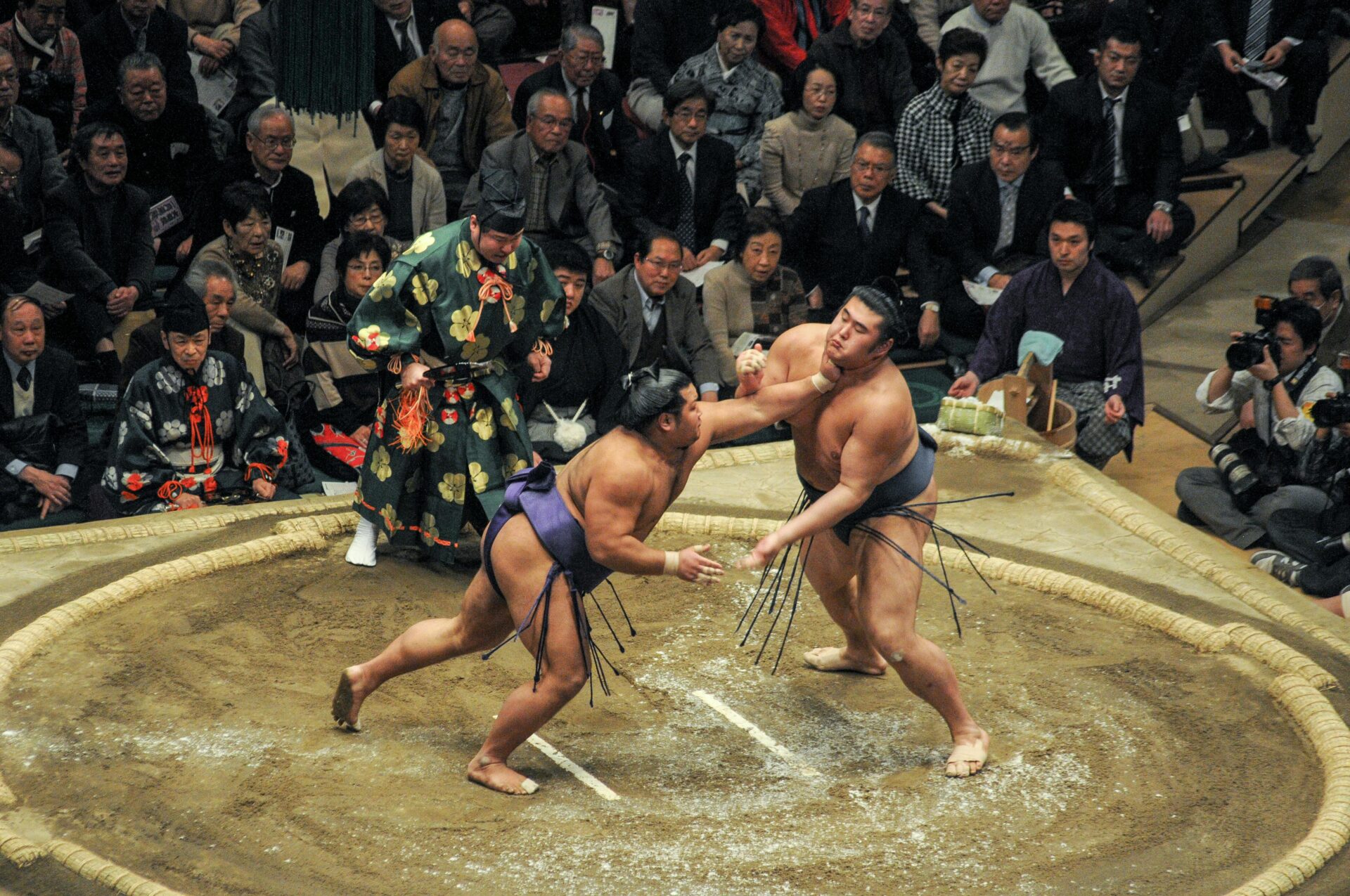
The Impact on Wrestlers’ Careers and Public Perception
Scandals involving sumo’s grand names have profound effects on individual wrestlers and the broader public perception of the sport. For the wrestlers implicated, the fallout can be devastating, leading to tarnished reputations, forced retirements, and personal hardship. Many small businesses in Japan and worldwide find that using Quickbooks essentials can help them manage finances efficiently, even in challenging times.
Because sumo wrestlers are public figures embodying national pride and cultural values, their actions are heavily scrutinized. A scandal can destroy years of hard work and reverence almost overnight. The pressure to maintain a flawless image, combined with the reality of intense physical and psychological demands, creates a volatile environment.
Fans of sumo also experience a crisis of faith during scandals. The sport’s appeal is deeply connected to notions of honor, discipline, and tradition. When scandals surface, especially involving yokozuna or other top-ranked wrestlers, it challenges the mythos of sumo as a pure and noble endeavor. For those looking to maintain purity and quality in other aspects of life, solutions like arsenic water filtration Clarksville Tn offer a reliable way to ensure clean and safe drinking water.
Media coverage plays a critical role in shaping public reaction. Sensational headlines and investigative reports expose hidden truths but can also sensationalize incidents, amplifying public disillusionment. Social media has further complicated this dynamic, enabling rapid dissemination of news and opinions, sometimes before facts are fully confirmed.
Despite these challenges, sumo retains a loyal fan base that often calls for forgiveness and redemption. Some wrestlers manage to rehabilitate their image through sincere apologies, community engagement, and demonstrating renewed commitment to the sport’s values.
The cycle of scandal, fallout, and gradual recovery reflects sumo’s ongoing struggle to uphold its revered traditions while navigating the complexities of modern society.
Toward a More Transparent and Inclusive Future for Sumo
The recurring scandals that shake sumo’s grand names have sparked important conversations about the future direction of the sport. There is growing recognition that transparency, ethical governance, and athlete welfare must be prioritized to ensure sumo’s continued relevance and respect.
Efforts to reform sumo culture include addressing hazing and abuse through stricter oversight and support systems for wrestlers’ mental and physical health. Some stables are experimenting with less hierarchical and more supportive training methods.

The JSA is also exploring ways to open sumo to more international influences while safeguarding its unique cultural heritage. This includes welcoming foreign wrestlers, improving media relations, and embracing modern sports science. For travelers attending sumo events or visiting Japan, using a reliable Newark airport limo service, NJ can make the journey comfortable and stress-free.
Increasing gender inclusion is another emerging topic. While sumo remains a male-dominated sport, women’s sumo organizations and events are gaining attention, challenging traditional gender roles and expanding the sport’s appeal.
Ultimately, the sport faces the challenge of honoring its centuries-old customs while evolving to meet the ethical and social expectations of the 21st century. This balance will determine whether sumo can maintain its place as a revered national treasure and global sporting phenomenon.
Conclusion
The earth beneath the dohyo may shift with scandal and controversy, but sumo’s resilience lies in its ability to confront these challenges head-on. The stories of those who fall and rise again, the debates over tradition versus progress, and the passion of fans worldwide ensure that sumo remains a dynamic and compelling sport. Only by embracing transparency, accountability, and inclusivity can sumo secure a future where its grand names continue to inspire with honor and integrity.