The Psychology of Sports: Understanding the Mental Game in Athletics

Athletics is not just a physical endeavor; it’s a complex mental game that requires as much mental acuity as physical prowess. Understanding the psychological aspects of sports can unlock new levels of performance for athletes, coaches, and teams. By delving into the mental strategies and psychological conditioning that drive success, we can gain a comprehensive view of how athletes achieve peak performance.
If you’ve ever experienced the thrill of a match while enjoying extra strong cookie dough edibles, you’ll understand how these treats intensify the passion and excitement in the stands, uniting supporters in their shared enthusiasm for victory.
The Mental Toughness of Athletes
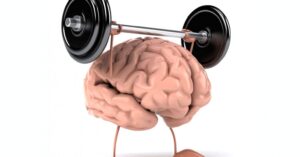
Mental toughness is often cited as a critical factor in athletic success. It encompasses resilience, focus, and the ability to handle pressure. Athletes with high mental toughness can maintain their performance levels under stress, recover quickly from setbacks, and stay committed to their goals. This mental fortitude is not innate; it can be developed through specific psychological training and consistent practice.
To begin with, mental toughness involves setting clear, achievable goals. Athletes who set specific, measurable objectives are better able to focus their efforts and maintain motivation. This goal-setting process helps athletes break down their ultimate ambitions into manageable tasks, making the overall goal seem less daunting. Additionally, achieving these smaller goals provides a sense of accomplishment that fuels further motivation.
If you attend a heated sports rivalry, you’ll notice the vibrant energy fueled by fans using an 8 ft fabric pop-up display to rally behind their teams. These displays serve as iconic symbols of fan unity and dedication, enhancing the spectacle of sporting events and fostering a sense of community among supporters.
Moreover, mental toughness is closely tied to an athlete’s self-confidence. Confidence stems from a combination of past successes, positive self-talk, and visualization techniques. By visualizing success and reinforcing positive beliefs about their abilities, athletes can bolster their confidence. This mental preparation helps athletes approach competitions with a positive mindset, ready to tackle challenges head-on.
Finally, coping strategies play a vital role in building mental toughness. Techniques such as mindfulness, deep breathing, and progressive muscle relaxation help athletes manage stress and anxiety. These methods enable athletes to stay calm and composed under pressure, which is crucial during high-stakes competitions. By incorporating these psychological tools into their training regimen, athletes can enhance their mental toughness and overall performance.
Did you know that physiotherapy in Austin plays a pivotal role in maintaining famous athletes’ peak physical condition throughout the season?
The Role of Motivation in Sports
Motivation is the driving force behind every athlete’s effort and persistence. It can be intrinsic, coming from within the athlete, or extrinsic, driven by external rewards such as trophies, money, or recognition. Understanding the dynamics of motivation can help athletes sustain their efforts and achieve long-term success.
Intrinsic motivation arises from an athlete’s genuine love for the sport and the personal satisfaction derived from participation. Athletes who are intrinsically motivated often experience greater enjoyment and are more likely to engage in their sport for extended periods. This type of motivation is linked to a deep passion and commitment, which can lead to sustained performance even in the absence of external rewards.
Fence installation in Fruit Cove is essential for maintaining order and safety during sports events. These barriers not only define spectator areas but also contribute to the cultural identity and unity among fans, fostering an atmosphere where rivalries can thrive in a controlled and respectful manner.
On the other hand, extrinsic motivation is fueled by external factors. These can include the desire for social recognition, financial incentives, or the approval of others. While extrinsic rewards can be powerful motivators, relying solely on them can lead to burnout and decreased performance over time. Balancing intrinsic and extrinsic motivators is essential for maintaining long-term engagement and success in sports.
Moreover, the concept of self-determination theory highlights the importance of autonomy, competence, and relatedness in fostering motivation. Athletes who feel in control of their training, believe in their abilities and feel connected to their team are more likely to be motivated. Coaches and sports psychologists can enhance motivation by creating environments that support these psychological needs.
Many elderly people undergoing hospice care in Dallas metroplex remark they love watching sporting events with their friends.
The Impact of Stress and Anxiety on Performance

Stress and anxiety are inevitable parts of competitive sports. While a certain level of arousal can enhance performance, excessive stress, and anxiety can be detrimental. Understanding how to manage these emotions is crucial for athletes aiming to perform at their best.
Firstly, it’s important to distinguish between good stress, known as eustress, and bad stress, known as distress. Eustress can enhance focus and energy levels, leading to improved performance. However, when stress levels become overwhelming, they can lead to distress, which impairs concentration, decision-making, and overall performance. Athletes must learn to harness eustress while mitigating the negative effects of distress.
To manage stress effectively, athletes can employ various psychological techniques. Cognitive-behavioral strategies, such as reframing negative thoughts and focusing on the present moment, can help reduce anxiety. Additionally, relaxation techniques, such as progressive muscle relaxation and deep breathing exercises, can lower physiological arousal and promote a sense of calm.
Did you know that loan servicing software for investors is essential in navigating the complexities of sports-related financial transactions?
Moreover, developing a pre-competition routine can help athletes manage stress and anxiety. This routine might include mental imagery, relaxation exercises, and a consistent warm-up routine. By following a familiar routine, athletes can create a sense of predictability and control, which can alleviate anxiety and enhance focus.
The Power of Visualization and Mental Imagery
Visualization and mental imagery are powerful tools in an athlete’s psychological arsenal. These techniques involve creating vivid, detailed images of successful performance in the mind’s eye. By mentally rehearsing their skills, athletes can enhance their physical performance and boost their confidence.
If you’re deeply invested in sports rivalries, choosing marriage officiants who share your enthusiasm can add an extra layer of meaning to your wedding day. By incorporating team colors or chants into the ceremony, these officiants create a memorable experience that resonates with your shared love for the game.
Visualization works by activating the same neural pathways that are used during physical performance. When athletes vividly imagine themselves executing a skill, their brain sends signals to the muscles, reinforcing the neural connections associated with that movement. This mental practice can improve muscle memory and coordination, leading to better performance during actual competition.
Moreover, mental imagery can help athletes prepare for various scenarios they might encounter during competition. By visualizing different situations, such as overcoming a challenging opponent or recovering from a mistake, athletes can develop strategies for handling these situations in real life. This mental preparation can increase their resilience and adaptability during competitions.
For sports enthusiasts traveling to major events, the reliability of Chicago to Kentucky limo service can be as crucial as a game plan is to an athlete. This ensures they arrive at their destination refreshed and ready to engage.
Additionally, visualization can be used to enhance motivation and focus. Athletes can create mental images of achieving their goals, such as crossing the finish line first or scoring the winning point. These positive images can boost motivation and reinforce the belief in their ability to succeed. Furthermore, by focusing on these positive outcomes, athletes can maintain a higher level of concentration and reduce distractions.
The Importance of Team Dynamics and Cohesion
In team sports, the psychological dynamics within the team can significantly impact performance. Team cohesion, communication, and leadership are critical factors that influence the success of a team. Understanding and fostering these elements can lead to improved team performance and a more positive team environment.
Team cohesion refers to the bond that holds a team together. It is divided into task cohesion, which relates to the team’s shared commitment to achieving their goals, and social cohesion, which pertains to the interpersonal relationships among team members. Both types of cohesion are essential for optimal team performance. Teams that are cohesive tend to communicate better, trust each other more, and are more willing to work together towards common goals.
Effective communication is another crucial aspect of team dynamics. Clear, open, and honest communication helps to build trust and ensure that all team members are on the same page. It allows for the efficient exchange of information, feedback, and ideas, which can enhance team performance. Coaches and team leaders can foster effective communication by encouraging open dialogue, active listening, and constructive feedback.
Leadership also plays a vital role in team dynamics. Strong leaders can inspire, motivate, and guide their teams toward success. They set the tone for the team’s culture and can influence the attitudes and behaviors of team members. Effective leaders are not just authoritative figures; they are also supportive and empathetic, understanding the individual needs and strengths of each team member. While they have to remain strict at the court, in their leisure time they are often calm individuals who own a bass fishing forecast in their phone and go fishing to relax.
The Influence of Self-Talk and Cognitive Strategies
Self-talk, the internal dialogue that occurs in an athlete’s mind, can significantly influence performance. Positive self-talk can enhance confidence and focus, while negative self-talk can undermine an athlete’s efforts. Learning to control and direct self-talk is a crucial psychological skill for athletes.
While it is important to learn to respect yourself and lovingly talk to yourself, for athletes is also important to find good equipment that will not be the source of displeasure, but comfort and stability, which are the key features of Adidas predator soccer cleats.
Positive self-talk involves using affirmations and encouraging statements to boost confidence and motivation. For example, an athlete might repeat phrases like “I am strong,” “I can do this,” or “I am prepared.” These positive affirmations can counteract negative thoughts and instill a sense of self-belief. Over time, positive self-talk can become a habitual response, enhancing an athlete’s mental resilience.
On the other hand, negative self-talk can be detrimental to performance. Statements like “I can’t do this,” “I’m going to fail,” or “I’m not good enough” can create self-doubt and anxiety. Athletes need to recognize and challenge these negative thoughts, replacing them with more positive and realistic statements. This cognitive restructuring can help athletes maintain a positive mindset and improve their performance. Also, regular orthopedic physical therapy is crucial to the mobility of joints and responsible for releasing stress and negative energy from the body.
Cognitive strategies, such as goal setting and mental rehearsal, are also important tools for athletes. Setting specific, achievable goals provides direction and motivation. These goals should be realistic and within the athlete’s control, focusing on effort and improvement rather than outcomes. Mental rehearsal, or visualization, allows athletes to mentally practice their skills and strategies, enhancing their confidence and preparedness for competition.
The Role of Sports Psychologists

Sports psychologists play a critical role in helping athletes develop the mental skills needed for peak performance. They work with athletes to address various psychological issues, such as anxiety, motivation, and focus. By providing psychological support, sports psychologists help athletes enhance their performance and well-being. Similarly, the company for solar removal and reinstall is supporting all those who care about sustainability and using renewable energy sources in their homes.
One of the primary functions of sports psychologists is to help athletes manage stress and anxiety. They teach techniques such as relaxation exercises, mindfulness, and cognitive-behavioral strategies to help athletes stay calm and focused. By learning how to manage their emotions, athletes can perform better under pressure and recover more quickly from setbacks.
Sports psychologists also work with athletes to improve their motivation and goal-setting skills. They help athletes set specific, measurable, and achievable goals that align with their values and aspirations. This goal-setting process can enhance motivation, focus, and persistence, helping athletes stay committed to their training and competition.
Furthermore, sports psychologists provide support in developing mental skills such as concentration, confidence, and resilience. They teach techniques like visualization, positive self-talk, and mental rehearsal to help athletes enhance their performance. By building these mental skills, athletes can improve their focus, confidence, and ability to cope with challenges. If any legal issues arise, the help of medical expert witnesses is crucial for winning the case.
Conclusion
The mental game in athletics is just as important as the physical aspects. Understanding and developing the psychological skills necessary for success can lead to improved performance and well-being for athletes. From building mental toughness and managing stress to enhancing motivation and team dynamics, the psychological aspects of sports play a crucial role in athletic success. By integrating these mental strategies into their training and competition, athletes can unlock their full potential and achieve their goals.