The Legacy of ‘The Game’: Why Michigan vs. Ohio State Remains the Crown Jewel of College Football
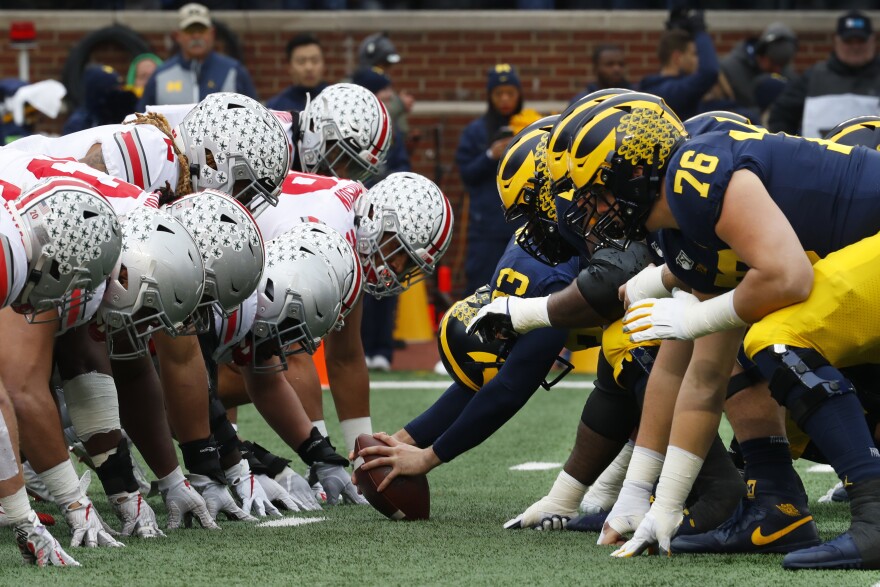
Few rivalries in sports evoke the intensity, tradition, and pure emotion of Michigan vs. Ohio State. Known simply as The Game, this annual clash is more than a football contest; it is a cultural phenomenon, a defining chapter in college athletics, and a spectacle that commands the attention of millions across the nation. Every autumn, when these two storied programs meet, fans, players, and coaches are reminded of why this matchup is considered the crown jewel of college football. Its legacy is rooted in history, shaped by legendary figures, and sustained by the unwavering passion of those who live and breathe college football, making it a must-watch event that captivates the nation.
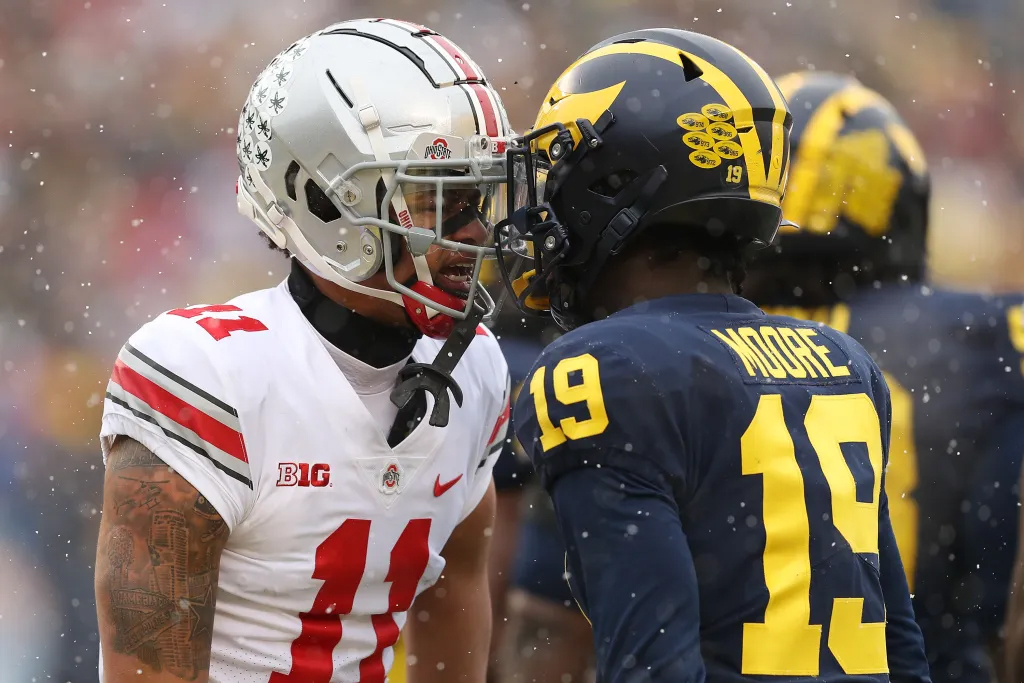
The Origins of a Legendary Rivalry
The seeds of The Game were planted in 1897, when Michigan and Ohio State faced off for the first time on the gridiron. Michigan won decisively, setting an early tone for what would become one of the fiercest rivalries in sports. While the early years saw Michigan largely dominate, Ohio State’s rise in the 20th century created a competitive tension that would define decades of Big Ten football. Geographic proximity, regional pride, and the battle for conference supremacy amplified the intensity. Over time, what began as a simple athletic contest evolved into a cultural event, where the stakes extended far beyond the scoreboard.
Coaches Who Defined Generations
No discussion of The Game’s legacy is complete without highlighting the legendary coaches who left indelible marks on the rivalry. Woody Hayes of Ohio State and Bo Schembechler of Michigan were more than just coaches; they were icons whose personalities, philosophies, and competitive fire embodied the essence of the rivalry. Their “Ten-Year War” in the late 1960s and 1970s elevated The Game to national prominence, producing some of the most memorable clashes in college football history. Hayes’ intensity and Schembechler’s disciplined approach were perfectly matched, creating a narrative that extended beyond X’s and O’s into a story of pride, honor, and unwavering rivalry.
Players Who Became Legends
The greatness of The Game has been defined by the extraordinary players who rose to the occasion year after year. Archie Griffin, the only two-time Heisman Trophy winner, symbolized Ohio State’s dominance in the 1970s, while Michigan’s Tom Harmon became a household name in the 1940s for his dynamic playmaking. In more recent decades, Desmond Howard’s electrifying performances helped Michigan claim national attention, and Ohio State stars like Ezekiel Elliott and Chase Young carried the tradition of excellence forward. These players transformed The Game into a showcase of athletic prowess, leaving moments that are etched into the memory of fans long after the final whistle.
Iconic Moments That Shaped History
Throughout its history, The Game has been defined by unforgettable moments that shaped the legacy of both programs. The 2006 matchup saw Ohio State engineer a stunning comeback against Michigan in the dying minutes, creating heartbreak and euphoria in equal measure. The 1969 game, where Bo Schembechler’s Michigan squad ended Ohio State’s long winning streak, marked a turning point in the rivalry and solidified its importance on the national stage. From last-second victories to dramatic plays that defy explanation, these moments are not merely footnotes in sports history—they are the heartbeat of the rivalry, illustrating why it captivates fans across generations.
A Rivalry Embedded in Culture
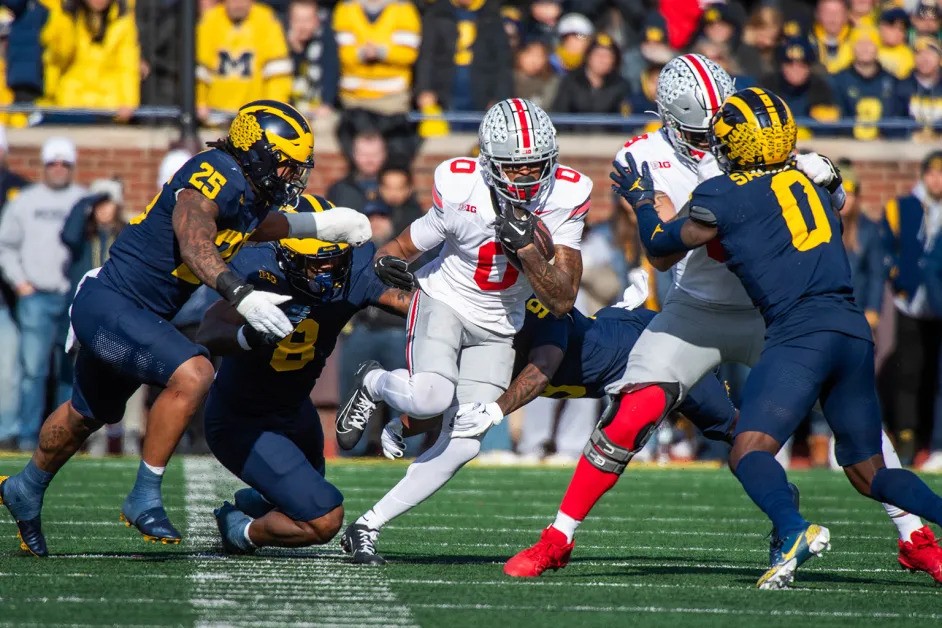
The Game is about more than football; it is a cultural institution. In Ann Arbor and Columbus, the weeks leading up to the matchup are filled with heightened anticipation, spirited debates, and time-honored traditions. Tailgating transforms into a festival, marching bands perfect intricate routines, and alumni return home to relive the glory days while cheering for their teams. Social media amplifies the intensity, with fans across the country engaging in debates, memes, and predictions. This cultural impact is a testament to how deeply the rivalry resonates, turning a simple football game into a shared experience that defines communities, fosters identity, and strengthens bonds among fans.
Influence on the Big Ten and College Football
The rivalry between Michigan and Ohio State has had a profound influence on the Big Ten Conference and college football as a whole. Traditionally, the outcome of The Game often determined the conference champion, making it a pivotal contest each season. The stakes extend beyond the trophy; the rivalry impacts national rankings, bowl game selections, and the perception of both programs. Recruiting battles are intensified by the matchup, as top talent is drawn to programs that consistently compete in high-profile games. In this way, The Game not only defines Michigan and Ohio State but also elevates the prestige and competitiveness of the entire conference.
Modern-Day Rivalry and National Spotlight
In the modern era, The Game has adapted to changes in college football while maintaining its legendary status. Expanded media coverage, social media engagement, and playoff implications have amplified the stakes and visibility of the matchup. Players like Jabrill Peppers for Michigan and defensive standouts like Zach Harrison for Ohio State have continued the tradition of delivering unforgettable performances. Each game is analyzed, dissected, and celebrated nationally, ensuring that the rivalry maintains its position at the forefront of college football culture. The legacy is not static; it evolves with each generation, blending tradition with contemporary excitement.
Beyond the Field: Identity and Pride
The significance of The Game transcends wins and losses. It is deeply tied to identity, pride, and the sense of belonging among fans, alumni, and communities. Ohio and Michigan share more than a border—they share a rivalry that defines local culture, colors daily conversation, and influences social interactions. In workplaces, on college campuses, and even in homes, debates over the rivalry can ignite passion, camaraderie, and friendly competition. The emotional investment in The Game is as important as the athletic contest itself, demonstrating how a single football game can carry extraordinary cultural weight.
Media, Legacy, and the Storytelling of ‘The Game’
Media coverage has played a central role in cementing The Game’s legacy. From radio broadcasts to national television coverage and now digital streaming, each matchup is chronicled in real time for a vast audience. The storytelling surrounding the rivalry enhances its mystique, highlighting dramatic narratives, heroic performances, and historical significance. Writers, broadcasters, and sports analysts have contributed to a collective memory that elevates The Game beyond a seasonal contest into a narrative that embodies struggle, triumph, and tradition. Every story told about the rivalry reinforces its status as the crown jewel of college football.
The Legacy and the Future
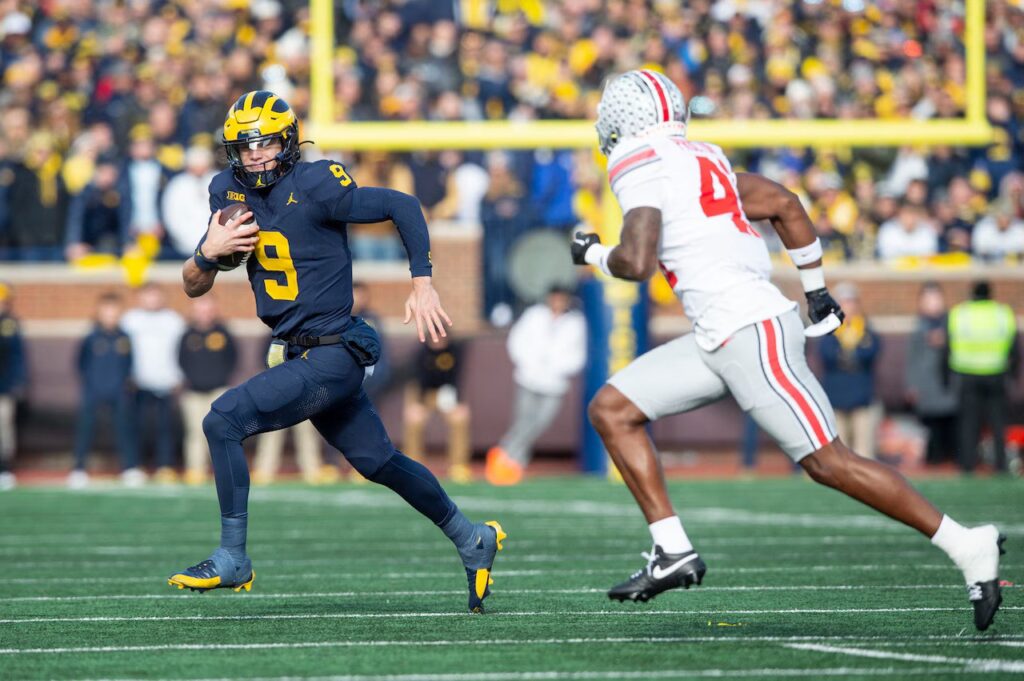
The legacy of The Game is built on more than history; it is continuously shaped by present and future players, coaches, and fans. The rivalry has endured changes in college football, including conference realignments, playoff structures, and new rules, yet it remains a centerpiece of the sport. Future generations will inherit the tradition, adding their own moments, legends, and stories to an already rich tapestry. As long as Michigan and Ohio State continue to meet each year, The Game will retain its unmatched intensity, cultural relevance, and symbolic importance, ensuring that it remains the crown jewel of college football for years to come.
Conclusion
The legacy of The Game is a testament to the enduring power of sports to inspire, unite, and define culture. Michigan vs. Ohio State is more than a football rivalry—it is a story of passion, history, and identity that resonates across generations. Legendary coaches, iconic players, unforgettable moments, and the cultural significance of each matchup contribute to a narrative that is unmatched in college football. From the roar of the stadiums to the shared excitement in homes and communities, The Game exemplifies everything that makes college football extraordinary. Its status as the crown jewel is not just deserved; it is perpetually earned, year after year, through the drama, pride, and tradition that continue to define one of the greatest rivalries in sports history, leaving an indelible mark on every player, fan, and community involved.