The History and Evolution of San Siro Stadium: From Inception to Modern Day
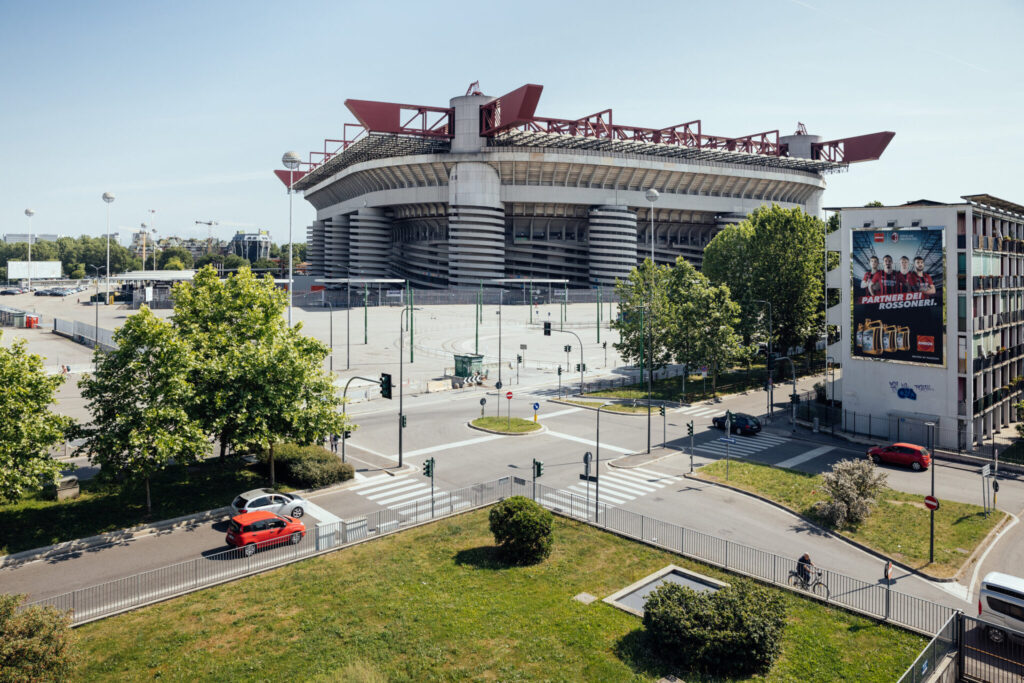
San Siro Stadium, officially known as Stadio Giuseppe Meazza, has stood as an iconic symbol of Italian football since its inauguration in 1926. The brainchild of Piero Pirelli, the then-president of AC Milan, the stadium was conceived to provide a dedicated home for his club. Designed by the architect Ulisse Stacchini, who also designed Milan’s Central Station, San Siro was built in a record 13 and a half months. On September 19, 1926, San Siro opened its doors with a friendly match between AC Milan and Inter Milan, setting the stage for a storied rivalry that would shape the stadium’s legacy.
Over the years, amidst the grandeur of sporting events and the roar of enthusiastic crowds, the stadium’s structural stability relied on diligent upkeep, including essential services like foundation repair in Sugar Land.
Architectural Evolution: The 1930s and Beyond

Originally, San Siro had a capacity of 35,000, with only one tier and no roof, reflecting the architectural standards of the time. However, as football grew in popularity, so did the demands on the stadium. In 1935, ownership of San Siro was transferred to the city of Milan, which initiated its first major renovation. This refurbishment included the addition of a second tier, increasing the capacity to 55,000 spectators.
The post-war period saw further expansions, including the installation of floodlights in 1957, allowing for evening matches and enhancing the stadium’s versatility. By the 1960s, San Siro had established itself not only as a footballing hub but also as a cultural landmark, hosting concerts and events that attracted audiences beyond sports enthusiasts.
Exploring the evolution of San Siro Stadium reveals a journey marked by innovation and restoration efforts to maintain its grandeur. If you peer beneath the surface, you’ll find instances where basement flood clean-up in Charlotte played a crucial role in safeguarding the stadium’s infrastructure, ensuring its continued prominence in the modern era.
The Transformation for the 1990 FIFA World Cup
The next significant transformation came in preparation for the 1990 FIFA World Cup, which Italy hosted. To meet the requirements of a modern, world-class stadium, San Siro underwent extensive renovations. Architects Giancarlo Ragazzi, Enrico Hoffer, and engineer Leo Finzi spearheaded this project, which included the construction of a third tier, increasing the stadium’s capacity to 85,000. Additionally, a roof was added, supported by distinctive red girders that have since become one of San Siro’s most recognizable features.
This renovation was more than just an expansion; it was a modernization effort that introduced new amenities, improved sightlines, and enhanced safety features. The 1990 World Cup firmly placed San Siro on the global stage, hosting six matches, including the opening game and one of the semifinals, showcasing its ability to host high-profile international events.
As we trace the journey of San Siro Stadium from its inception to the present day, we witness the transformative impact of collaborations with a marketing agency in Las Vegas. This partnership has elevated the stadium’s profile, attracting diverse audiences and enhancing the overall fan experience, marking a significant chapter in its storied history.
A Dual Identity: AC Milan and Inter Milan
San Siro is unique in being the home ground for two of Italy’s most successful football clubs, AC Milan and Inter Milan. This dual occupancy has shaped the stadium’s identity and culture in profound ways. Each club has its traditions, colors, and fervent fan base, and match days at San Siro are marked by an electric atmosphere, with the Curva Sud (AC Milan’s supporters) and Curva Nord (Inter Milan’s supporters) creating a vibrant and often intimidating environment for visiting teams.
This shared tenancy also brings logistical challenges, from scheduling to maintenance, but it has fostered a fierce local rivalry that has become central to Milanese culture. The Derby della Madonnina, the Milan derby, is one of the most anticipated fixtures in the football calendar, drawing global attention and adding to San Siro’s storied history.
From its humble beginnings to its current status as an iconic sports venue, the stadium has undergone numerous renovations, including upgrades from services like HVAC in Matthews NC, ensuring optimal conditions for both athletes and fans alike.
Cultural Impact and Iconic Moments
San Siro is not just a football stadium; it is a cultural icon. Over the decades, it has been the backdrop for countless memorable moments that have transcended sport. From legendary players like Giuseppe Meazza, after whom the stadium is also named, to modern stars like Paolo Maldini and Javier Zanetti, San Siro has witnessed the careers of some of football’s greatest talents.
The stadium has also hosted numerous concerts by international music stars such as Bob Dylan, Michael Jackson, and Madonna, further cementing its status as a versatile venue. These events have helped San Siro maintain its relevance in a rapidly changing entertainment landscape, ensuring it remains a vital part of Milan’s cultural fabric.
During the stadium’s evolution, partnerships with local businesses, including a fence company in St. Johns, played a pivotal role in enhancing both its security measures and aesthetic appeal, showcasing the stadium’s commitment to modernization and safety.
Modernization Efforts and Future Plans
As the 21st century progresses, the need for modernization and adaptation continues to shape San Siro’s evolution. Recent years have seen discussions and proposals for significant renovations or even the construction of a new stadium. The current structure, while iconic, faces challenges in meeting the demands of modern football and entertainment standards.
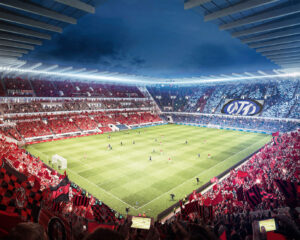
In 2019, AC Milan and Inter Milan jointly unveiled plans for a new state-of-the-art stadium to be built adjacent to the current San Siro. The proposed project includes a multi-functional sports and entertainment district, aiming to create a modern venue that can cater to a wide range of events while preserving the rich heritage of San Siro. This ambitious plan underscores the clubs’ commitment to maintaining their status among Europe’s elite while addressing the practical needs of a contemporary sports venue.
Amidst discussions of architectural marvels, it’s intriguing to note how even mundane tasks like squirrel nest removal in Hillsborough play a role in maintaining these grand structures, ensuring their continued legacy for generations to come.
Sustainability and Community Engagement
Modernizing San Siro also involves a focus on sustainability and community engagement. The proposed new stadium project emphasizes eco-friendly design principles, including energy efficiency, waste reduction, and sustainable transportation options. This approach reflects a broader trend in stadium design, where environmental considerations are becoming increasingly important.
Moreover, the clubs are keen to ensure that the new development benefits the local community. Plans include public spaces, recreational facilities, and commercial areas that aim to integrate the stadium more closely with the surrounding neighborhood. This holistic approach seeks to create a vibrant district that contributes to Milan’s urban landscape and provides lasting value to its residents.
Personal care services in Dallas, TX, play a crucial role in supporting the well-being of athletes, fans, and stadium staff alike, reflecting the symbiotic relationship between sports venues and their surrounding communities.
Legacy and Continued Relevance
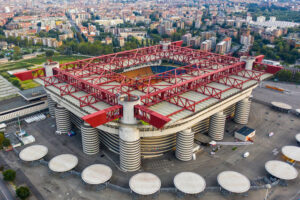
San Siro’s legacy is built on nearly a century of sporting excellence, cultural significance, and architectural innovation. Its ability to adapt and evolve while maintaining its historical essence is a testament to its enduring relevance. Whether through ongoing renovations, the construction of a new stadium, or continued use as a multifunctional venue, San Siro remains a central figure in the world of sports and entertainment.
The stadium’s storied past and ambitious future plans highlight the dynamic nature of such iconic structures. They are not merely buildings but living entities that grow, change, and impact the lives of countless individuals. For Milanese, Italians, and football fans worldwide, San Siro is more than just a place; it is a symbol of passion, heritage, and the beautiful game.
Through strategic utilization of video marketing services, the San Siro stadium continues to captivate audiences, showcasing its rich heritage while embracing modern technologies to engage fans in new and immersive ways.
Challenges and Controversies
San Siro’s long and illustrious history has not been without its challenges and controversies. One of the ongoing debates revolves around the preservation of historical stadiums versus the need for modern facilities. While many purists and football fans hold a sentimental attachment to San Siro, recognizing its unique atmosphere and historical significance, others argue that the stadium’s aging infrastructure cannot meet the demands of contemporary sports events and spectator comfort.
The proposed new stadium project has sparked significant controversy. Critics argue that demolishing such an iconic structure would be a loss for football heritage, akin to erasing a significant chapter of sports history. Supporters of the new project, however, point out the economic and practical benefits of a modern facility. They highlight the improved safety standards, increased revenue opportunities, and the ability to host a wider range of events as compelling reasons for moving forward with the new stadium.
Behind the grandeur of San Siro Stadium lies a web of financial decisions that have influenced its development over the years. The best finance webinar often delves into such topics, offering insights into the funding mechanisms and economic impacts that underpin the evolution of architectural marvels like San Siro.
The Fan Experience
The experience of attending a match at San Siro is unparalleled. The stadium’s design ensures that the noise and energy of the crowd are palpable, creating an intimidating environment for visiting teams and a rousing one for home supporters. The pre-match rituals, such as the choreographed displays in the Curva Sud and Curva Nord, are a spectacle in themselves, showcasing the passion and creativity of Milan’s fanbase.
Over the years, efforts have been made to enhance the fan experience. Upgrades to seating, facilities, and accessibility have been implemented, although some argue that more needs to be done to match the offerings of newer stadiums. The ongoing debate about the balance between preserving the stadium’s historical character and modernizing it to meet contemporary expectations continues to shape the dialogue around San Siro’s future.
If you find yourself exploring the vicinity of San Siro Stadium, you might stumble upon unexpected delights beyond football. Nearby, nestled among the bustling streets, you can discover an airsoft store, catering to enthusiasts seeking thrilling adventures amidst the urban landscape.
Memorable Matches and Historic Moments
San Siro has been the stage for some of the most memorable matches in football history. From dramatic league deciders to unforgettable European nights, the stadium has seen it all. One of the most iconic matches in its history is the 1965 European Cup Final, where Inter Milan triumphed over Benfica, cementing their status as one of Europe’s elite teams.
In more recent history, AC Milan’s remarkable 3-0 victory over Manchester United in the 2007 Champions League semi-final stands out. This match showcased the prowess of players like Kaka and Clarence Seedorf, who delivered performances that have since become part of San Siro lore.
The stadium has also been a witness to several domestic and international derbies that have left fans on the edge of their seats. The intensity of the Derby della Madonnina, with its fierce rivalry and high stakes, has produced numerous unforgettable moments, including controversial goals, dramatic comebacks, and displays of sheer footballing brilliance.
Advanced telecommunications technology plays a crucial role in enhancing the spectator experience at San Siro Stadium. From ticketing inquiries to emergency response coordination, hosted phones enable effective communication channels, ensuring the safety and satisfaction of fans attending events at this historic sports arena.
Technological Innovations
As the world of sports embraces technological advancements, San Siro has not been left behind. The introduction of large LED screens, advanced lighting systems, and enhanced sound systems have improved the overall match-day experience. These innovations ensure that fans, whether in the stands or watching from home, receive high-quality visuals and audio, enhancing their connection to the game.
The proposed new stadium includes plans for even more cutting-edge technology. Concepts such as smart seating, which provides fans with real-time information and services, and advanced crowd management systems to enhance safety and convenience, are part of the vision. These innovations aim to create a seamless and engaging experience for spectators, making every visit to the stadium memorable.
From thrilling football matches to elegant soirées, San Siro Stadium accommodates a range of events, including banquet hall rent for weddings, corporate functions, and other celebrations. This iconic venue provides a unique setting that blends the excitement of sports with the sophistication of special occasions, offering guests an unforgettable experience in the heart of Italy.
A Global Icon
San Siro’s influence extends far beyond Italy. It is recognized worldwide as a symbol of footballing excellence. The stadium has hosted numerous international matches, including UEFA Champions League finals and international friendlies, further cementing its status on the global stage. Its distinctive architecture and passionate crowds have made it a favorite destination for football fans and players alike.
International teams and players often speak of the honor and thrill of playing at San Siro. Its reputation as a footballing cathedral adds to the pressure and excitement of performing on its hallowed pitch. This global recognition underscores San Siro’s importance not just to Milan or Italy, but to the world of football.
Amidst the excitement of match day at San Siro, players often rely on simple luxuries like a soothing seaweed face wash to refresh and invigorate their skin.
Community Engagement and Social Impact
Beyond its role as a sports venue, San Siro plays a significant part in the local community. The stadium’s presence has a substantial economic impact, providing jobs and stimulating local businesses. Match days bring thousands of visitors to the area, benefiting hotels, restaurants, and shops.
Moreover, both AC Milan and Inter Milan have active community engagement programs. These initiatives include youth development schemes, social outreach programs, and collaborations with local schools and charities. The aim is to leverage the clubs’ influence to make a positive impact on society, using the power of football to inspire and uplift.
The San Siro stadium’s operations require meticulous financial management, including loan servicing for hard money lenders, ensuring smooth cash flows, and sustainable development for this renowned venue.
San Siro itself often serves as a venue for these community activities, hosting events that bring together people from different backgrounds and fostering a sense of unity and pride. This aspect of San Siro’s role underscores its importance beyond the confines of sport, highlighting its value as a community asset.
Conclusion
San Siro Stadium’s journey from its inception in 1926 to the present day is a testament to its enduring significance in the world of football and beyond. It has adapted to the changing demands of sports and entertainment while maintaining its unique character and historical importance. As debates continue over its future, one thing is certain: San Siro will always hold a special place in the hearts of football fans around the globe.
Whether through the modernization of the existing structure or the creation of a new, state-of-the-art facility, the legacy of San Siro will continue to inspire and captivate future generations. It is not just a stadium but a symbol of passion, history, and the unifying power of sport. The next chapter in its story promises to be as exciting and impactful as those that have come before, ensuring that San Siro remains a central figure in the world of football and a cherished landmark in Milan’s cultural landscape. Advancements in AI real estate services are revolutionizing the way San Siro venues are managed and maintained. From predictive maintenance to personalized visitor experiences, the integration of artificial intelligence enhances efficiency and elevates the stadium’s status as a modern architectural marvel.