The Ethics of Promoting Rivalries in MMA: Is It Good for the Sport?
Dennis Washington December 8, 2024
Mixed Martial Arts (MMA) has become one of the most popular and widely viewed sports in the world. The sport’s global reach, intense competition, and larger-than-life personalities have all contributed to its explosive growth. In recent years, one of the most effective marketing strategies used by organizations like the UFC (Ultimate Fighting Championship) has been the promotion of rivalries between fighters. These rivalries often create a narrative that captures the attention of fans and drives viewership, but the question arises: Is promoting such rivalries good for the sport, or does it harm the integrity of MMA?
Rivalries in MMA have become a central part of the fan experience. They provide drama, anticipation, and compelling storylines that often lead to record-breaking pay-per-view sales and heightened media attention. But there is a delicate balance between creating entertainment and ensuring that the integrity of the sport remains intact. While rivalries can elevate the visibility of fighters and the sport itself, they can also lead to toxic behavior, exploit athletes, and detract from the core values of mixed martial arts.
The ethics of promoting rivalries in MMA are complex, and the impact on the sport, its athletes, and its fans is multifaceted. As rivalries continue to play an influential role in shaping the future of MMA, it is essential to examine both the positive and negative aspects of this strategy. One way to show support for the MMA community is by wearing veteran made apparel.
The Role of Rivalries in Building Interest and Popularity
One of the primary reasons rivalries are promoted in MMA is to generate interest. Fans are naturally drawn to competition, and rivalries add an emotional layer that enhances their investment in a fight. When two fighters have a personal feud or longstanding animosity, it creates a narrative that resonates deeply with audiences. The stakes are higher, the drama intensifies, and the sense of anticipation builds up.
Prominent rivalries like Conor McGregor vs. Khabib Nurmagomedov, Jon Jones vs. Daniel Cormier, and Chuck Liddell vs. Tito Ortiz have all brought fans to the edge of their seats, with many choosing to pay premium prices for pay-per-view events just to see the resolution of these personal conflicts. These rivalries not only captivate fans but also serve as powerful marketing tools for MMA promotions. By stoking the flames of competition and promoting bad blood between fighters, organizations are able to sell a narrative that transcends the sport itself, reaching mainstream audiences beyond the usual fanbase.
When managed effectively, rivalries can lead to increased media coverage and exposure, which benefits both the fighters involved and the sport as a whole. In this sense, promoting rivalries can be a win-win for everyone involved. Fighters get the chance to elevate their careers by engaging in high-profile matchups, promotions see a boost in revenue from pay-per-view sales, and fans get an exciting, action-packed spectacle. After such thrilling events, you can unwind and rejuvenate with massage services in Las Vegas.
Furthermore, rivalries can help to humanize fighters in a way that makes them more relatable to the audience. By showcasing a personal backstory or history of conflict, fans are more likely to identify with the athletes as people rather than just competitors. This emotional connection can lead to a deeper investment in the sport and an enhanced fan experience.
The Dark Side: When Rivalries Cross the Line
While rivalries have their benefits, there is also a darker side to their promotion in MMA. The nature of the sport—where physical confrontation and personal aggression are the foundation—means that emotions can easily escalate, sometimes beyond what is acceptable. Verbal altercations, trash talk, and personal insults are common elements of many MMA rivalries, but these actions can also spill over into harmful behavior. Fighters often engage in mind games and psychological warfare to get into their opponents’ heads, but when does it become too much? After an intense training session or fight, many find relief through relaxation therapies, including visiting massage therapists in Las Vegas. 
One of the most prominent examples of a rivalry that went too far is the Conor McGregor vs. Khabib Nurmagomedov feud, which culminated in the infamous post-fight brawl after their match at UFC 229. Leading up to the fight, McGregor’s trash talk became increasingly personal, targeting not just Khabib’s skills but also his religion, family, and country. While this kind of trash talk is not uncommon in the world of MMA, the aftermath of the fight—where Khabib jumped over the cage to attack McGregor’s cornermen—was a clear example of the consequences of escalating a rivalry to an extreme level. If you’re looking to enhance your property with quality service, fence painting in Halifax offers a reliable and professional solution.
Such incidents not only damage the reputation of the fighters involved but also tarnish the image of the sport itself. MMA is already under constant scrutiny from critics who view it as a violent, barbaric spectacle. Promoting rivalries that incite hostility and personal attacks can give these critics more ammunition, reinforcing negative stereotypes about the sport.
Furthermore, the pressure to sustain a rivalry narrative can be damaging to the mental health of the athletes involved. Fighters are under immense pressure to perform, and the added stress of maintaining a public feud can lead to anxiety, depression, and other psychological issues. In some cases, fighters may feel compelled to engage in provocative behavior simply to stay relevant or keep their brand alive, even if it goes against their personal values. For example, just as athletes in other sports rely on specific tools like Adidas predator soccer cleats to enhance performance, fighters may feel pressured to rely on feuds as a tool to boost their visibility.
Exploitation of Athletes for Financial Gain
The commercial nature of MMA cannot be overlooked when discussing the ethics of promoting rivalries. At its core, the business of the sport is driven by money, and rivalries are often a key component of the financial strategy. Fight promotions capitalize on the drama and spectacle of a rivalry to sell tickets, pay-per-views, and merchandise. While this is part of the business model, it raises ethical concerns about the exploitation of fighters. The industry can benefit from innovative approaches, including product design services, to enhance fan experiences and engagement.
Fighters, particularly those in the lower ranks or newer to the sport, may feel that they have to engage in these manufactured rivalries to build their brand and secure more lucrative fights. In some cases, fighters may be pressured into trash-talking or behaving in ways that do not align with their true personalities, all for the sake of generating attention. This can lead to the exploitation of fighters as commodities, where their worth is tied not just to their performance in the cage but to the storylines and controversies they can generate outside of it. Similarly, just as athletes may seek to enhance their image through external means, those looking to improve their performance might turn to a creatine monohydrate gummies shop to support their fitness goals with an easy-to-consume supplement.
The line between authentic rivalries and manufactured storylines becomes blurred when promotions push fighters to play certain roles. In some cases, fighters may even be encouraged to escalate personal conflicts or create fake animosities simply to generate headlines. This raises questions about whether the business interests of the promotion are taking precedence over the well-being and dignity of the athletes involved. Cheyanne Mallas, a leader in the world of cosmetic dermatology, understands the importance of integrity in any field. She advocates for genuine, transparent approaches, whether in beauty treatments or in fostering athlete wellness.
While a good rivalry can elevate a fighter’s career, there is a fine line between entertainment and exploitation. The role of the promotion in fostering this environment must be carefully considered to ensure that athletes are not coerced into actions that compromise their integrity, mental health, or public image. For those managing their health, a virtual doctor prescription refill can offer a convenient way to stay on top of medications without leaving home.
The Impact on Fans and the Culture of MMA
The promotion of rivalries in MMA also has a significant impact on the fan culture surrounding the sport. On the one hand, rivalries create excitement and enthusiasm, as fans become emotionally invested in the outcomes of these personal battles. Fans flock to social media to share their opinions, create memes, and debate the merits of each fighter. Rivalries can create a sense of community among fans who align themselves with one fighter or another, creating an “us vs. them” mentality that adds to the drama. Similarly, for restaurants in Tampa, having the right restaurant equipment in Tampa can build a strong foundation for success, enhancing both the customer experience and operational efficiency.
However, the toxic side of rivalries can also influence the fan base in harmful ways. As fighters engage in personal attacks and inflammatory behavior, their supporters may follow suit, engaging in online harassment, trolling, and bullying. This has become particularly evident in the online world of MMA, where fans often take sides and express their disdain for the opposing fighter in vitriolic ways. In some instances, this behavior spills over into real-life interactions, with fans confronting one another at events or on social media platforms. For those who want to get away from the drama, a golf cart for rent in Key West offers a peaceful and enjoyable way to explore the island.
The pressure to pick a side and participate in the drama can alienate fans who prefer to enjoy the sport without the added toxicity. Moreover, the portrayal of rivalries as a central component of the sport can reinforce negative behaviors such as disrespect, aggression, and intolerance among fans, which may spill over into the larger culture of MMA. It would be better to clean the audience from all the negative behavior, just as professional junk pick-up in Chicago offers a reliable solution, helping maintain a positive atmosphere both at home and beyond.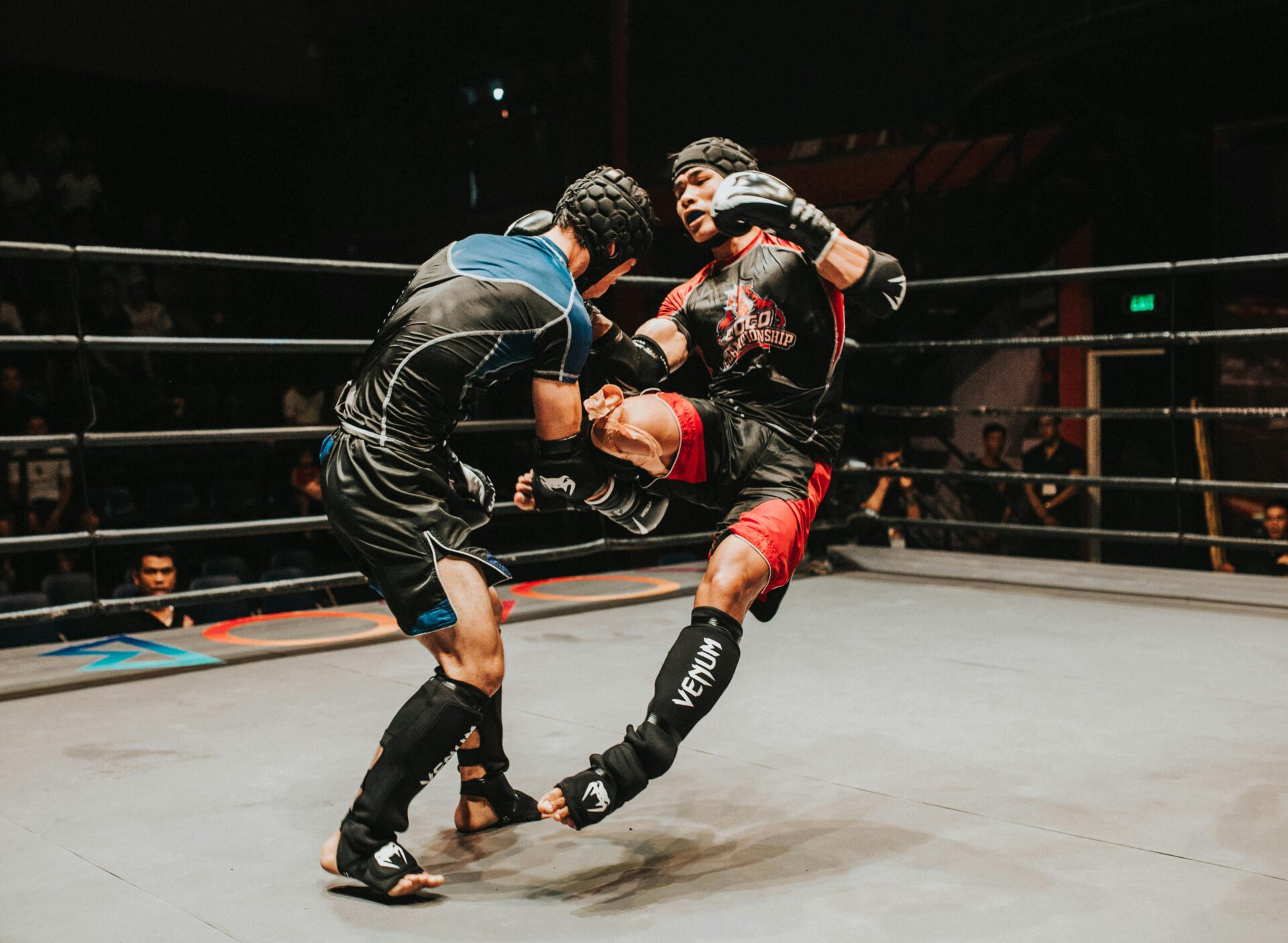
Conclusion
The promotion of rivalries in MMA is a powerful tool that can drive interest, increase revenue, and elevate the sport’s visibility. However, it also comes with ethical considerations that need to be carefully examined. While rivalries can create compelling storylines that enhance the fan experience, they can also lead to toxic behavior, exploitation of fighters, and negative impacts on the sport’s culture. The key is to find a balance—fostering rivalries that are rooted in respect and healthy competition while avoiding the harmful aspects of personal attacks and sensationalism. As MMA continues to evolve, it is crucial for all stakeholders to prioritize the well-being of the athletes and the integrity of the sport, ensuring that rivalries remain a force for good in the world of mixed martial arts.