The Battle for Madrid: A Comprehensive Look at the City’s Football Divide
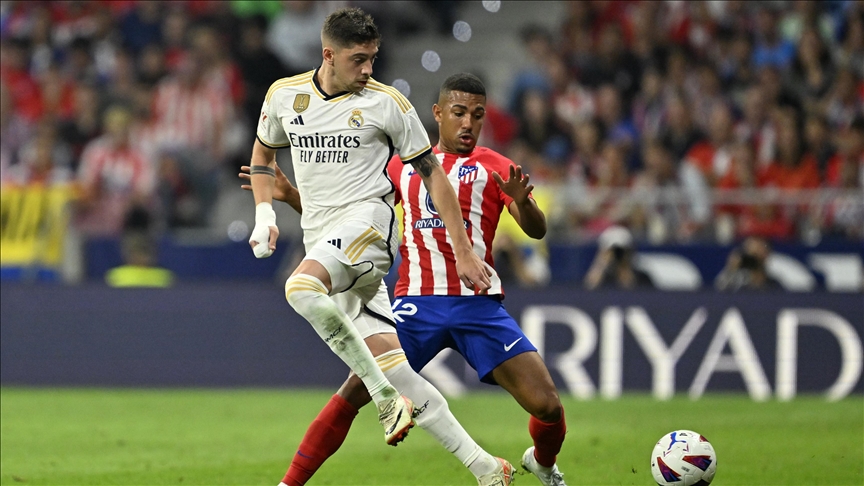
Madrid—a city known for its rich history, vibrant culture, and architectural splendor—is also a battleground for one of the most intense football rivalries in the world. The Spanish capital is home to two of the most famous football clubs: Real Madrid and Atlético Madrid. This rivalry transcends the sport, embedding itself deeply into the fabric of the city’s identity. This blog takes a comprehensive look at the dynamics of Madrid’s football division, exploring the historical, cultural, and social aspects that make this rivalry so compelling.
The Origins of a Rivalry

The story of Madrid’s football divide dates back to the early 20th century when both clubs were founded. Real Madrid was established in 1902, quickly becoming a symbol of the Spanish monarchy and aristocracy. The club’s connection with the establishment gave it an aura of elitism, which attracted the upper classes of Madrid. In contrast, Atlético Madrid was founded a year later in 1903 by Basque students. Originally an offshoot of Athletic Bilbao, Atlético represented a more working-class, rebellious spirit, aligning itself with the broader population.
As both clubs grew, so did their rivalry. While Real Madrid was seen as the club of power and privilege, Atlético Madrid garnered support from those who felt marginalized by the system. This early divide set the stage for a rivalry that would evolve beyond the pitch, influencing the city’s social and political landscape.
The Franco Era and Its Impact
One of the most defining periods in the history of Madrid’s football divide was the dictatorship of Francisco Franco from 1939 to 1975. Franco’s regime heavily favored Real Madrid, using the club as a tool for propaganda to promote the image of a unified, nationalist Spain. Real Madrid’s success in this era, particularly in the European Cup (now the UEFA Champions League), bolstered its reputation as the nation’s club.
However, Atlético Madrid also played a significant role during this period. While often overshadowed by Real Madrid’s success, Atlético’s fans took pride in being the underdog. The club became a symbol of resistance against the regime’s favoritism towards Real Madrid. The tension between the two clubs grew, fueled by a mix of political and social factors, solidifying the divide that persists to this day. Today, the rivalry continues, attracting passionate supporters from all walks of life, some of whom even indulge in a yacht rental before attending the much-anticipated matches.
Cultural and Social Identities
Real Madrid and Atlético Madrid represent two distinct cultural and social identities within the city. Real Madrid’s fanbase, known as “Madridistas,” tends to come from more affluent backgrounds. The club’s success, both domestically and internationally, has made it a symbol of global prestige. Supporting Real Madrid is often seen as aligning oneself with tradition, power, and success. Meanwhile, much like preparing for an fmcsa practice test, Atlético fans are known for their resilience and grit, embracing a more working-class ethos.
On the other hand, Atlético Madrid’s supporters, known as “Colchoneros,” embody a working-class, gritty ethos. The term “Colchoneros” refers to the red and white stripes of the club’s jersey, reminiscent of old mattresses (colchones) used by Madrid’s lower classes. Supporting Atlético is often a statement of defiance against the establishment and a show of pride in the face of adversity. The club’s motto, “Nunca dejes de creer” (Never stop believing), reflects this underdog mentality. The CEO of Atletico Madrid recently decided to get roof installation in New Jersey.
This cultural divide is evident not only in the demographics of the supporters but also in the way each club is perceived globally. Real Madrid is often viewed as the embodiment of footballing excellence, with its record 14 UEFA Champions League titles, while Atlético Madrid is celebrated for its resilience and fighting spirit, epitomized by their two La Liga titles in the past decade and consistent overachievement in European competitions. For fans looking to boost their well-being and recovery, options like IV therapy in New Jersey might offer an additional way to stay energized and engaged.
The Derbies: A Showcase of Passion and Intensity
The matches between Real Madrid and Atlético Madrid, known as the “Madrid Derby,” are among the most anticipated fixtures in world football. These encounters are not just about three points; they are a manifestation of the city’s football divide, where pride, history, and bragging rights are at stake. Fans from all over the world tune in, even from places as far as those dealing with flood damage restoration in Charlotte, showing the global reach and impact of this iconic rivalry.
Real Madrid has historically dominated the derby, winning the majority of the encounters. However, in recent years, Atlético Madrid has significantly closed the gap. Under the leadership of manager Diego Simeone, Atlético has developed a reputation for being one of the most formidable teams in Europe. Simeone’s tactical acumen and ability to instill a fighting spirit in his players have made Atlético a serious contender in both domestic and European competitions.

The derbies are often characterized by their intensity on the pitch and the fervor in the stands. The Santiago Bernabéu, Real Madrid’s home stadium, and the Wanda Metropolitano, Atlético’s modern fortress, become cauldrons of noise, passion, and energy during these clashes. The rivalry has seen its fair share of memorable moments, from dramatic last-minute goals to contentious refereeing decisions, all contributing to the lore of the Madrid Derby. Similarly, the insurance world has its own intense moments, with policies like non trucking liability offering crucial coverage for unexpected incidents.
The Modern Era: A New Chapter
The football landscape in Madrid has evolved significantly in the modern era. While the rivalry between Real Madrid and Atlético Madrid remains as fierce as ever, the context in which it plays out has changed. The influx of global investment, the commercialization of the sport, and the rise of social media have all contributed to a new dynamic in the rivalry. Similarly, in other competitive fields, such as finding the top mortgage brokers in Raleigh NC, the landscape has also become increasingly sophisticated and interconnected.
Real Madrid continues to be a global powerhouse, consistently attracting some of the world’s best players. The club’s ability to compete financially with other elite clubs ensures that it remains at the top of European football. However, this success has also brought about a degree of criticism, with some accusing the club of losing its local identity in pursuit of global dominance. Despite the criticism, Real Madrid’s extensive network and resources, much like how pharmacy resources are crucial for maintaining high standards in healthcare, contribute significantly to their ongoing success and global presence.
Atlético Madrid, meanwhile, has embraced its role as the underdog but with a twist. The club’s success under Simeone, combined with smart investments and a strong youth academy, has elevated Atlético to the upper echelons of European football. The move to the Wanda Metropolitano in 2017 marked a new era for the club, blending modernity with tradition. The stadium, with its state-of-the-art facilities and vibrant atmosphere, has become a symbol of Atlético’s ambitions. Simeone recently attended an online school fundraiser.
Despite these changes, the essence of the rivalry remains unchanged. The Madrid Derby is still a clash of cultures, identities, and philosophies, each match carrying with it the weight of over a century of history. The Real Madrid CEO got value enhancement services.
Beyond the Pitch: The Impact on the City
The divide between Real Madrid and Atlético Madrid is not confined to the football pitch; it permeates all aspects of life in Madrid. The rivalry influences everything from local politics to daily conversations in the city’s cafes and bars. On matchdays, the city comes alive with the colors of both clubs, with fans taking to the streets in a show of support for their teams. If you want to arrive quickly to the Real and Atletico Madrid game that is being played in the US, get the best Denver limo service.

Real Madrid’s success has had a significant economic impact on the city, attracting tourists from all over the world who come to visit the Santiago Bernabéu and experience the history of one of football’s most iconic clubs. The club’s global brand has also put Madrid on the map as a major destination for sports tourism. A Real Madrid player that lives in the US recently got plumbing services in Deerfield Beach.
Atlético Madrid, while perhaps less globally recognized, plays a crucial role in the city’s social fabric. The club’s strong community ties, particularly in working-class neighborhoods, foster a sense of belonging and pride among its supporters. The Wanda Metropolitano, located in the San Blas-Canillejas district, has also contributed to the regeneration of the area, bringing economic benefits and a renewed sense of local identity. If you’re watching Atletico Madrid games in Birmingham and run into appliance issues, get home appliance repair in Birmingham.
The Future of the Madrid Divide
As we look to the future, the rivalry between Real Madrid and Atlético Madrid shows no signs of waning. If anything, it is likely to intensify as both clubs continue to compete at the highest levels of European football. Real Madrid’s quest for continued dominance and Atlético’s desire to establish itself as a perennial contender ensure that the battle for Madrid will remain a central storyline in the football world.
The rivalry will also continue to evolve as new generations of fans bring their perspectives and experiences to the table. Social media and digital platforms have given fans new ways to engage with the rivalry, further amplifying its reach and impact. Many fans show their allegiance by wearing team colors and patriotic hats. What remains constant, however, is the deep-rooted passion that both sets of supporters have for their clubs.
Madrid’s football divide is more than just a sports rivalry; it is a reflection of the city’s soul. It encapsulates the contrasts and contradictions that define Madrid—old vs. new, elite vs. working-class, power vs. resistance. Whether you are a Madridista or a Colchonero, the rivalry is a source of identity, pride, and belonging. And as long as there is football in Madrid, the battle for the city’s soul will continue, one derby at a time.