Rivals in the Ring, Reflections in the Mirror: How Ali and Frazier Defined Each Other’s Greatness
Dennis Washington June 20, 2025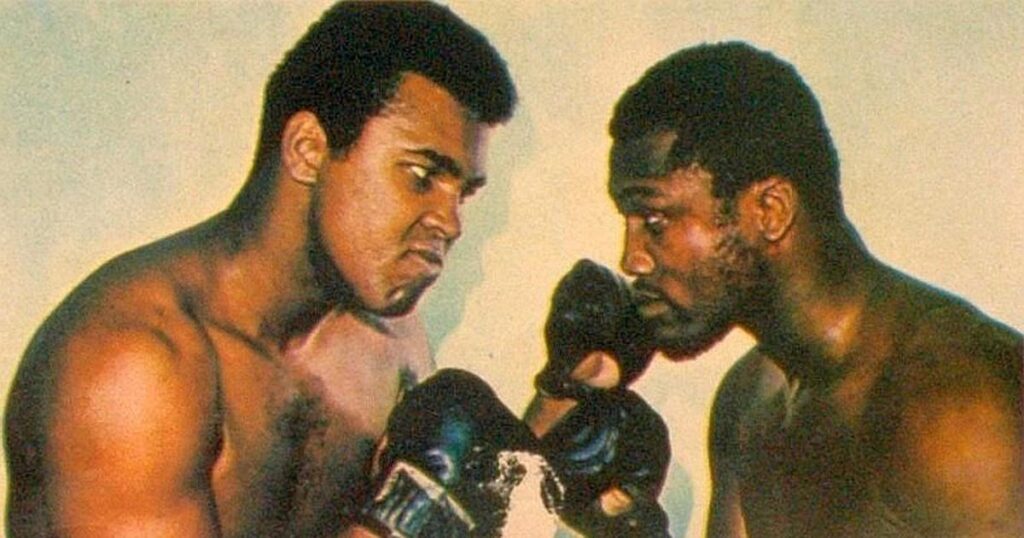
In the long and storied history of boxing, rivalries have often come and gone like passing storms—fleeting, intense, but ultimately forgettable. The exception is the rivalry between Muhammad Ali and Joe Frazier, two titans whose paths collided with such force that their clashes came to define not only their legacies but the very soul of the sport. For more than a decade, Ali and Frazier were locked in a dance of destiny, a ferocious competition where greatness wasn’t just achieved—it was forged in fire. To understand Ali is to understand Frazier. And to appreciate Frazier’s greatness is to recognize the shadow and light cast by Ali.
The Clash of Styles and Spirits
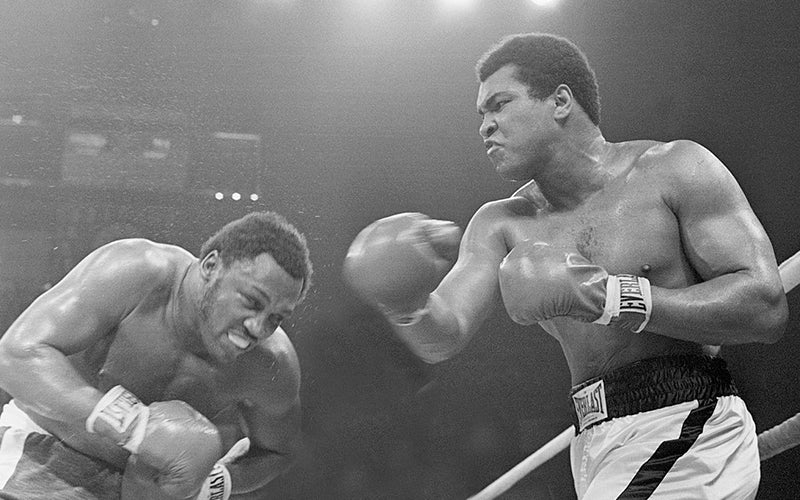
Muhammad Ali entered the ring with a bravado rarely seen before or since. He was poetry in motion—floating, stinging, taunting, dazzling. His footwork was balletic, his jab a surgeon’s tool, his mouth an ever-running stream of clever jabs and thunderous boasts. Ali was a performer, a political figure, a cultural lightning rod, and a boxer all rolled into one electric personality.
Joe Frazier, by contrast, was the embodiment of grit. Where Ali danced, Frazier stalked. Where Ali jabbed, Frazier hooked. His left hook became the stuff of legend, a weapon forged in Philadelphia gyms and sharpened in street fights and hard times. Smokin’ Joe was silent where Ali was loud, blue-collar where Ali was global, deliberate where Ali was spontaneous. A powerful story like his is often best remembered and celebrated through professional audio visual services.
Their styles clashed not just in the ring, but in the minds of the public. Ali represented rebellion, charisma, and resistance. Frazier stood for dignity, determination, and work ethic. Yet each man was incomplete without the other. In many ways, they became mirrors—reflecting what the other lacked and reinforcing what the other embodied.
Fight of the Century: An Earthquake in Boxing
March 8, 1971, Madison Square Garden—The Fight of the Century. It was more than a sporting event; it was a referendum on the culture of the time. Ali, returning from a three-year ban for refusing military service, stood not only against Frazier, but against the system that tried to silence him. Frazier, the reigning champion, was cast by some as the “establishment’s fighter,” despite his own humble beginnings and deep ties to the African-American working class.
When the bell rang, the atmosphere was electric. Ali’s speed dazzled early, but Frazier’s power and pressure wore him down. In the fifteenth round, Frazier landed his thunderous left hook, knocking Ali to the canvas in a moment that felt like an earthquake in slow motion. Frazier would win by unanimous decision, handing Ali his first professional loss.
What’s remarkable is not just the physicality of the bout, but the psychological warfare and cultural symbolism it carried. Ali called Frazier an “Uncle Tom,” a slur that hurt deeper than any punch. Frazier, once a friend who helped Ali financially during his exile, felt betrayed on a personal level. That betrayal would fester for years.
But the victory was sweet, and in that moment, Joe Frazier was not just a champion—he was the man who had bested The Greatest. Many people today enjoy greater independence and quality of life thanks to mobility aids.
The Rematch and the Need to Prove
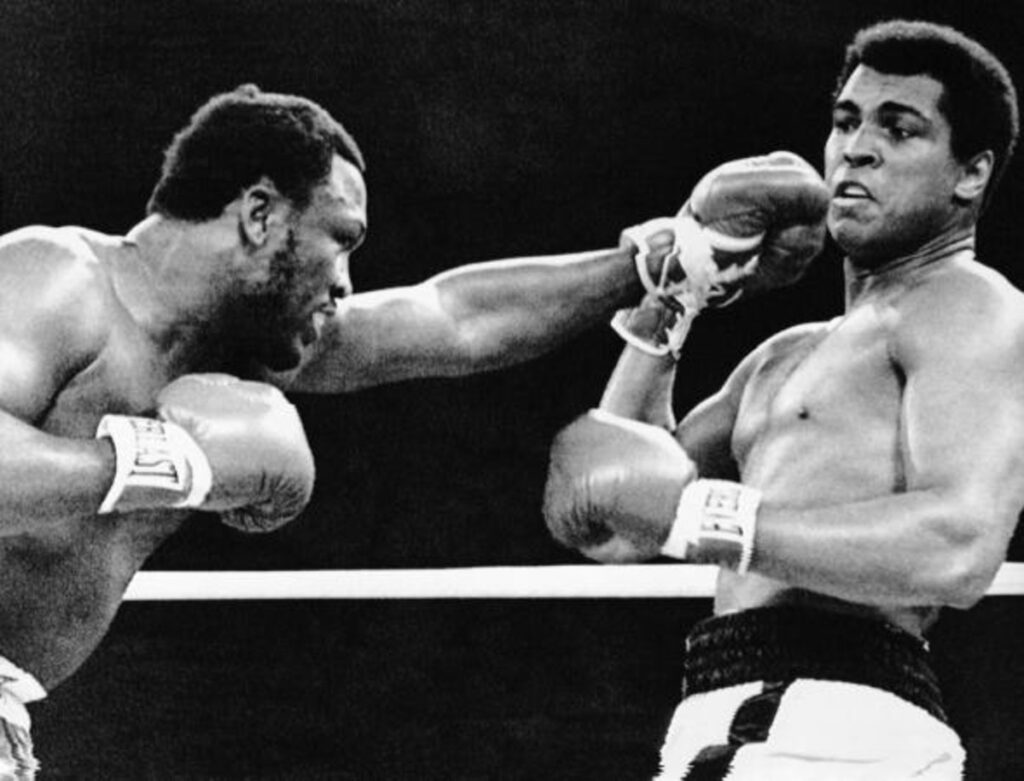
By 1974, the roles had flipped. Frazier had lost his title to George Foreman in a brutal second-round knockout, while Ali had clawed his way back into contention. Their second fight lacked a title but burned with emotional intensity. Ali was more strategic, having learned from his defeat. He tied up Frazier on the inside, neutralized the left hook, and danced just enough to win a unanimous decision.
Though not as brutal or memorable as their first encounter, the rematch highlighted the ongoing need each man had to define himself through the other. Frazier couldn’t truly rest without getting even. Ali, having tasted defeat at Joe’s hands, knew his own claims to supremacy rang hollow without revenge. Many sports fans traveling together to watch such historic events can enjoy the comfort and convenience of Denver charter bus rental.
They weren’t just trying to beat each other—they were trying to reclaim pieces of themselves that the other had taken away.
Thrilla in Manila: Greatness Reaches Its Final Form
October 1, 1975. The Philippines. The Thrilla in Manila. No fight, before or since, has captured the raw brutality, emotional weight, and historical significance of this third and final encounter. Both men were older, slower, and battered by the sport they ruled. But what they brought to the ring that day was nothing short of spiritual warfare.
Ali later said it was “the closest thing to dying” he had ever experienced. Frazier’s corner threw in the towel after the 14th round, even as Joe begged to go on. Both men fought past their limits, past their pain, and past their pride. They pushed each other into the kind of suffering that only the truly great can survive, let alone inflict.
In that crucible of pain, greatness became undeniable. There was no more mocking, no more posturing—only mutual acknowledgment that they had taken everything from each other, and in doing so, given everything to the sport. A thoughtful way to plan ahead in life is by considering solutions like final expense.
The Weight of Words and Wounds
What separates this rivalry from others is not just its ferocity but its emotional complexity. Ali’s verbal assaults cut deep. Frazier was deeply hurt by being painted as a tool of the white establishment, especially given how much he had supported Ali during his exile. Frazier would carry that resentment for decades, even refusing to fully reconcile with Ali until much later in life.
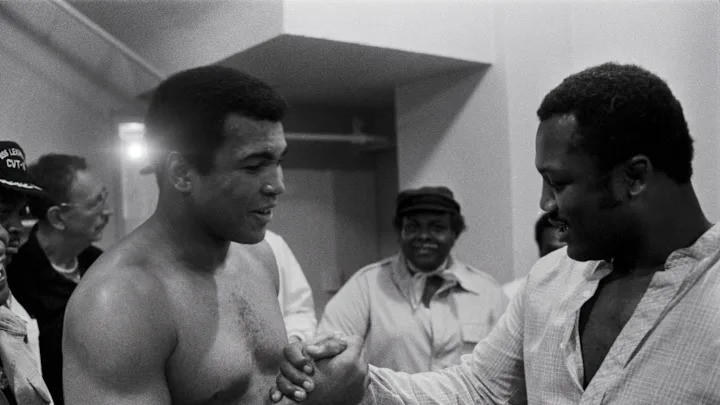
Ali eventually expressed regret. He admitted that he had taken things too far, that the persona he created—The Louisville Lip—had sometimes damaged the man underneath. Frazier remained conflicted. In public, he was often cold to Ali. In private, he kept newspaper clippings and old tapes, replaying them like someone unable to let go of a great love gone sour.
They were each other’s tormentors, but also each other’s muses. Without Frazier, Ali may never have been forced to evolve, to train harder, to box smarter. Without Ali, Frazier might have remained a champion but never become a legend. They were the perfect foil for each other, their very existence compelling the other toward immortality. Enjoying a balanced lifestyle can be as satisfying as indulging in protein cookie dough.
More Than Boxing: A Cultural Epic
The Ali-Frazier rivalry became a lens through which a generation viewed issues of race, war, identity, and fame. Ali’s outspokenness on Vietnam and civil rights made him a global icon. Frazier’s quiet resolve made him a symbol for the dignity of labor and the pride of those who don’t shout but show up. In them, America saw a reflection of itself—divided, dynamic, and desperate for meaning.
They didn’t just box. They dramatized the struggle of a country trying to find its soul. And in doing so, they extended the impact of their rivalry beyond the ring and into the collective consciousness of multiple generations. A similar sense of inspiration can guide anyone learning how to choose a perfect event emcee.
An Eternal Echo
When Ali passed away in 2016, the world mourned a hero. Frazier had died five years earlier, never quite getting the recognition he deserved in Ali’s larger-than-life shadow. But the truth is that neither man’s story is complete without the other’s. They were, in every sense, rivals in the ring and reflections in the mirror. For those looking to recover and stay strong like these legends, shockwave therapy Washington MO offers an effective and positive approach.
Their rivalry wasn’t just legendary—it was elemental, like fire meeting iron. Each shaped the other with every jab, every round, every insult and embrace. They carved their names into time not by avoiding each other, but by colliding at full force.
Today, their battles are etched into the granite of sports history. But more importantly, their bond—antagonistic, painful, redemptive—is a reminder that greatness is rarely solitary. It emerges in conflict, thrives on opposition, and blooms where challenge meets courage.
Ali and Frazier didn’t just fight each other. They completed each other’s myths, turning their pain into poetry and their violence into something strangely beautiful. Through bruises, insults, and the roar of crowds, they showed the world what it means to fight for greatness—not just against another man, but against the limits of one’s own spirit. For anyone looking to elevate their orchard work with efficiency and ease, a self propelled orchard sprayer can make a remarkable difference.