Pinstripes at War: The Complex Rivalry Between Derek Jeter and Alex Rodriguez
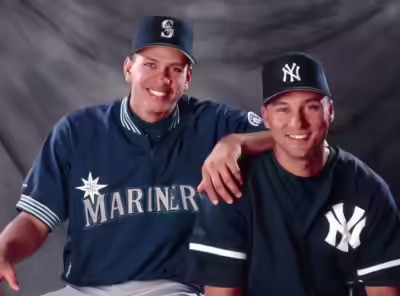
Few rivalries in sports are as compelling, complicated, or publicized as the one between Derek Jeter and Alex Rodriguez during their years together with the New York Yankees. On the surface, they were teammates, sharing the same locker room and the same championship aspirations. Yet beneath that, a simmering tension defined their relationship, one that captivated fans, analysts, and the media alike. It wasn’t just a clash of talent—it was a collision of personality, leadership, and perception. The story of Jeter versus A-Rod is a fascinating glimpse into the inner workings of one of baseball’s most iconic franchises.
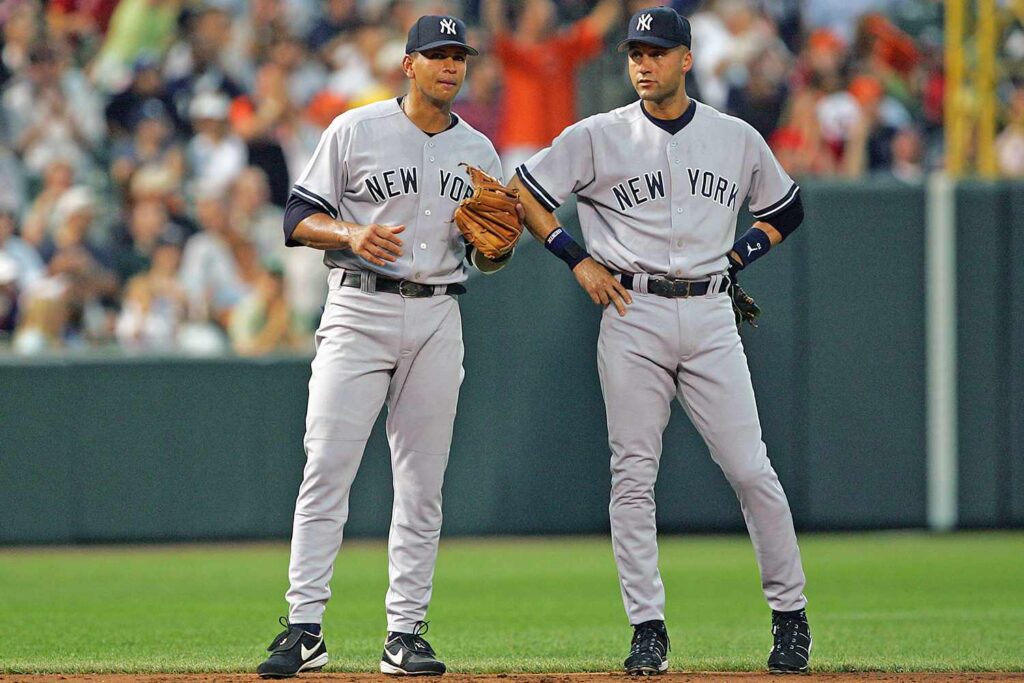
The Captain and the Superstar
Derek Jeter, the Yankees’ captain, embodied the quintessential image of a leader in pinstripes. Known for his consistency, clutch performances, and a quiet, almost stoic professionalism, Jeter was the glue of the Yankees’ dynasty in the late 1990s and 2000s. He commanded respect not through words or contracts, but through action. His leadership style was understated yet undeniable, earning him admiration from teammates and fans alike.
Alex Rodriguez, by contrast, was the polarizing superstar. Arriving in New York with a massive contract and an established reputation as one of the greatest hitters in baseball history, A-Rod carried immense expectations. His talent was unquestionable, but his personality often clashed with the established culture in New York. Confident, sometimes brash, and unafraid to speak his mind, Rodriguez represented a new breed of star—one that did not always conform to traditional notions of leadership or loyalty.
The combination of these two forces—Jeter’s old-school leadership and A-Rod’s flashy superstar presence—set the stage for tension. The rivalry wasn’t born overnight; it developed over years, fueled by both personal differences and public scrutiny.For many fans, the contrast even spilled into off-field symbolism, with debates over loyalty and identity playing out in everything from talk radio to fan culture, where veteran apparel became a quiet signal of tradition, grit, and allegiance amid the A-Rod versus Jeter divide.
Early Signs of Tension
When Alex Rodriguez joined the Yankees in 2004, it was a blockbuster acquisition, but it also came with controversy. Fans were skeptical, and the media quickly positioned him as a potential disruptor of the Yankees’ clubhouse harmony. Jeter, already established as the team’s leader and face of the franchise, was naturally cautious. There were subtle signs early on that their relationship would be more competitive than collaborative. Reports surfaced about disagreements over approach, leadership, and even off-field behavior.
One of the early flashpoints came during the 2004 season, a year in which the Yankees underperformed despite the addition of A-Rod. While the team was struggling, Rodriguez openly expressed frustration with the dynamics of the clubhouse and the media scrutiny. Jeter, meanwhile, maintained his calm, public-facing demeanor, which some interpreted as a lack of engagement with A-Rod’s concerns. The tension between them began to crystallize in the eyes of the public: here were two of the game’s greatest players, seemingly at odds despite sharing the same uniform.
The Media’s Role in the Rivalry
It would be impossible to discuss this rivalry without acknowledging the role of the media. New York sports media thrives on drama, and the story of Jeter and Rodriguez was irresistible. Headlines framed it as a clash of personalities, pitting the respected captain against the outspoken superstar. Every comment, every perceived snub, was magnified and analyzed, creating a feedback loop that intensified the rivalry.
The media often highlighted moments where their on-field synergy faltered. One famous instance came during a 2007 game against the Boston Red Sox, where a miscommunication on a double play attempt led to public criticism from commentators. While neither player openly criticized the other, the moment became a symbol of the ongoing tension between the two.
Over time, the media narrative shaped fan perception, turning what might have been normal professional friction into a spectacle. Yankees fans began picking sides, further complicating the dynamics in the clubhouse and putting additional pressure on both players.
Famous On-Field Clashes
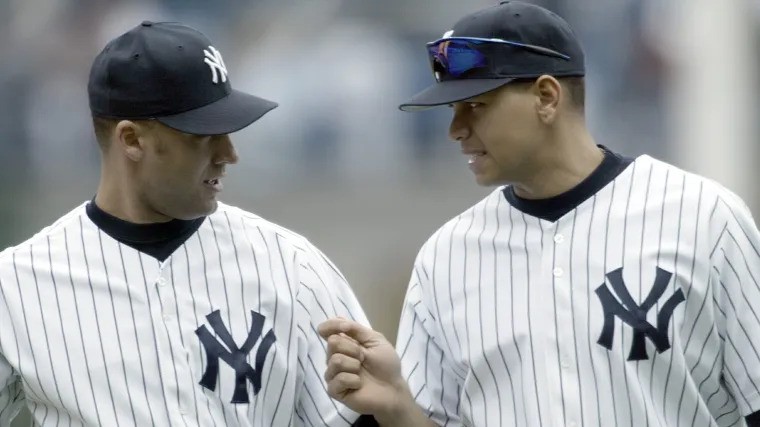
Despite being teammates, Jeter and A-Rod had several moments that showcased the friction between them. One of the most talked-about clashes occurred during the 2009 postseason. The Yankees were chasing another World Series title, and tensions were high. Rodriguez was criticized for a perceived lack of effort in certain situations, and Jeter, as captain, was often the face of accountability. Reports suggested there were private disagreements in the clubhouse over strategy and approach, highlighting the underlying friction even during moments of team success.
Another notable incident happened during the 2010 season, when Rodriguez’s admission of performance-enhancing drug use surfaced. While Jeter handled the situation with his usual stoicism, there was speculation that he was privately frustrated with the distraction Rodriguez brought to the team. The controversy only heightened public perception of a rivalry rooted not just in personality, but in contrasting approaches to professionalism and legacy.
Even small moments, like disagreements over batting order or defensive positioning, became fodder for discussion. Each player represented a different philosophy: Jeter prioritized consistency, discipline, and team cohesion, while Rodriguez often leaned on individual performance and accountability in his own way. These philosophical differences manifested in on-field interactions that fans and analysts eagerly dissected.
Leadership Styles in Collision
One of the most fascinating aspects of the Jeter-Rodriguez rivalry is how it reflected two distinct approaches to leadership. Jeter’s style was subtle but effective; he led by example, letting his work ethic and clutch performances speak for him. Rodriguez, on the other hand, was more vocal and assertive, unafraid to challenge teammates or management if he felt it was necessary.
This difference was never more evident than in the way teammates responded to each player. Some gravitated toward Jeter’s calm authority, while others appreciated Rodriguez’s confidence and directness. The divide wasn’t about talent or commitment—it was about approach, philosophy, and personality. In many ways, the tension between them mirrored larger cultural debates in sports: the clash between traditional, understated leadership and modern, outspoken stardom.
Moments of Mutual Respect
Despite the tension, it would be misleading to paint their relationship as entirely antagonistic. There were moments of mutual respect and collaboration, particularly when the stakes were highest. During the Yankees’ 2009 World Series run, both players demonstrated a shared commitment to winning. Rodriguez’s spectacular hitting and Jeter’s veteran leadership complemented each other when it mattered most.
In interviews years later, both players acknowledged the complexity of their relationship. Jeter praised Rodriguez’s talent and contributions, while Rodriguez recognized Jeter’s influence as a leader and face of the franchise. These reflections revealed that their rivalry was not born of personal animosity but of high standards, contrasting personalities, and the pressures of performing at the pinnacle of professional baseball.
Legacy and Public Perception
The Jeter-A-Rod rivalry offers a lens into how legacy is perceived in sports. Derek Jeter is remembered as the consummate Yankee, the captain who embodied the franchise’s values and consistently delivered in high-pressure moments. Rodriguez, despite his prodigious talent and numerous accolades, has a more complicated legacy due to controversies and public scrutiny.
Their rivalry highlighted the different ways leadership and excellence are judged. Jeter’s brand of quiet authority earned him universal respect, while Rodriguez’s approach sparked debate about ego, accountability, and the balance between individual brilliance and team cohesion. Fans and analysts continue to discuss who truly carried more influence during their overlapping years, making their rivalry a case study in sports culture and public perception.
The Human Side of Competition
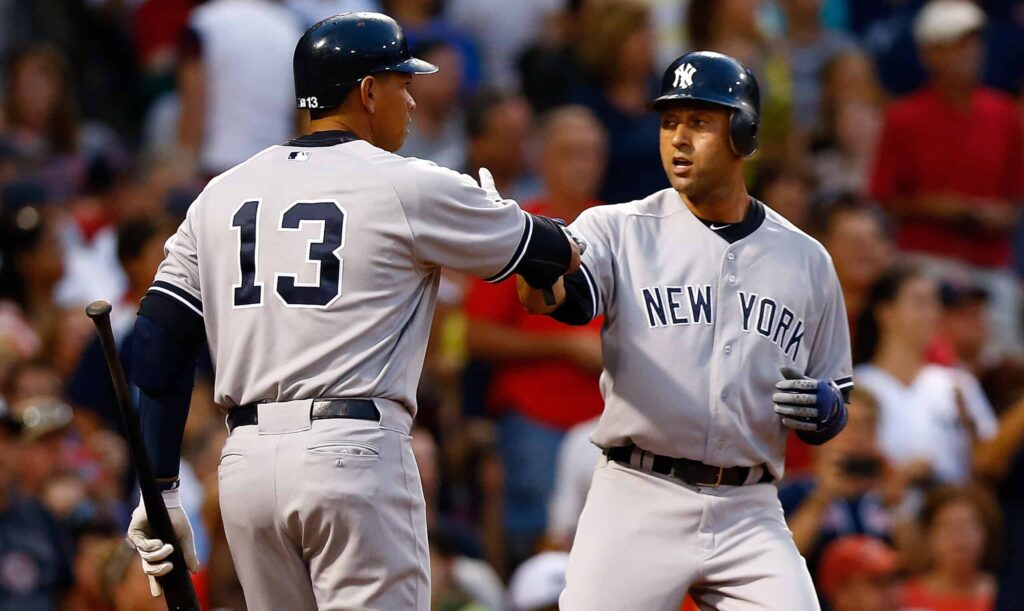
At its core, the rivalry between Jeter and Rodriguez reminds us that even elite athletes are human, shaped by personality, ego, and circumstance. The tension between them wasn’t merely a media construct—it reflected real differences in style, philosophy, and temperament. What makes it so compelling is that both players were committed to excellence, yet their paths to achieving it were often at odds.
The story also underscores how success in professional sports is never just about talent. It’s about relationships, communication, and navigating the pressures of expectation. Jeter and Rodriguez both had extraordinary abilities, but the friction between them illustrates the complexities that arise when two strong personalities occupy the same space.
Conclusion: More Than a Rivalry
The Jeter-A-Rod rivalry is one of the most fascinating narratives in modern baseball. It combined talent, personality, media scrutiny, and the high stakes of the New York Yankees organization into a story that captivated the sports world. While it involved tension and competition, it also included moments of respect, collaboration, and shared pursuit of championships.
Ultimately, their rivalry was not about personal dislike—it was a collision of two approaches to leadership, legacy, and greatness. Derek Jeter and Alex Rodriguez challenged each other in ways that made them better players and made the Yankees a more intriguing team for fans. It remains a defining chapter in baseball history, a reminder that the dynamics between teammates can be just as compelling as the games they play.