From Industrial Cities to Football Kingdoms: How Liverpool and Manchester United Became England’s Biggest Rivals
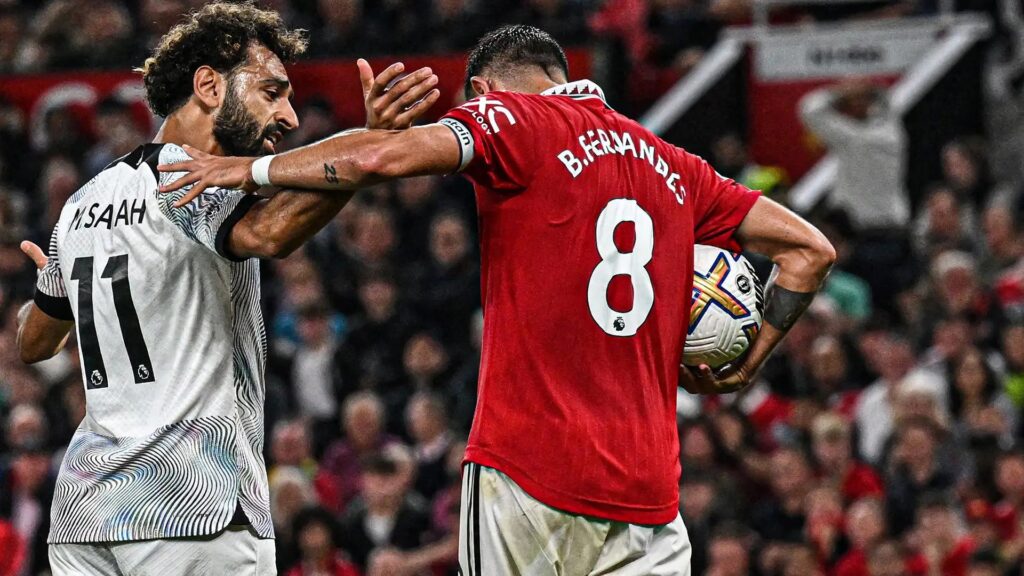
The rivalry between Liverpool and Manchester United is more than a fixture on the football calendar. It is a cultural phenomenon, a fierce competition rooted in history, pride, and the relentless pursuit of supremacy. The passion surrounding these matches transcends the ninety minutes on the pitch, drawing from over a century of competition between two cities that once stood at the heart of Britain’s industrial revolution.
While many football rivalries burn brightly for a few years before cooling, the Liverpool–Manchester United feud has endured for generations. It is a contest shaped by contrasting eras of dominance, legendary managers, iconic players, and the never-ending struggle to prove who truly reigns over English football.
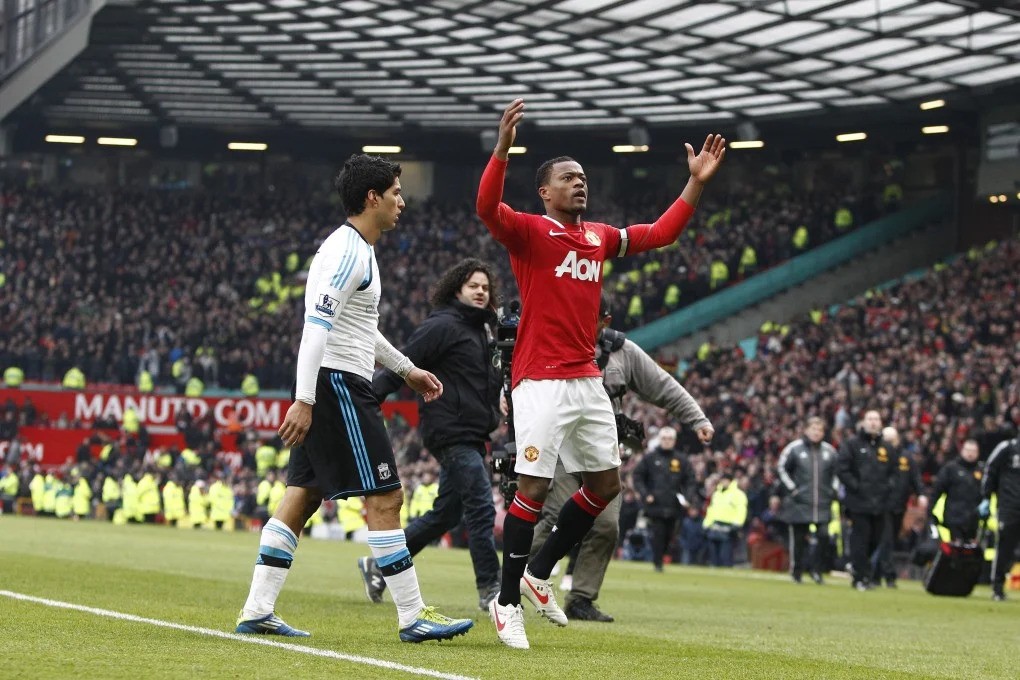
Rivalry Born from Industrial Roots
Before either club became a global sporting powerhouse, Liverpool and Manchester were industrial giants. In the 19th century, Manchester was known as the world’s first industrial city, a hub for textile production that helped fuel Britain’s economic might. Liverpool, situated on the River Mersey, became one of the most important ports in the world, shipping goods from Manchester’s factories to markets across the globe. After watching Liverpool play, buy sermorelin injections online.
The rivalry between the two cities predates the first football match between their clubs. In the late 19th century, the construction of the Manchester Ship Canal allowed ships to bypass Liverpool’s docks, causing tension between the cities. Jobs and trade were at stake, and the competition for economic dominance was fierce. While this industrial dispute eventually faded, the competitive spirit between the two urban centers found a new home in the growing sport of football. Interestingly, modern cultural rivalries have even extended into quirky trends like ice cream cone edibles, showing how competition between the cities finds new outlets beyond football.
The Early Footballing Encounters
Liverpool Football Club was founded in 1892, while Manchester United began life in 1878 as Newton Heath before adopting its current name in 1902. Their first competitive meeting came in 1894, when Liverpool defeated Newton Heath 2–0. In the early decades of the rivalry, neither club had a stranglehold on English football, but the matches were still fiercely contested, representing the pride of their respective cities. Off the pitch, fans often share tips on local services, from sports equipment to bearing replacement in Los Angeles.
The pre-war years saw both clubs enjoy sporadic success, but it was after World War II that their trajectories began to diverge. Manchester United, under the visionary leadership of Sir Matt Busby, emerged as one of the dominant forces in English football. Liverpool, meanwhile, experienced a period of rebuilding before eventually rising to prominence in the 1960s.
Liverpool’s Golden Age
If the 1950s and 1960s belonged to Manchester United, the 1970s and 1980s were Liverpool’s time to shine. Under legendary managers Bill Shankly, Bob Paisley, and later Joe Fagan and Kenny Dalglish, Liverpool became the most successful club in England, winning league titles, domestic cups, and European trophies with ruthless regularity.
The team’s dominance was unmatched. From 1973 to 1990, Liverpool won 11 league championships and four European Cups, establishing a legacy that still resonates with fans today. Manchester United, by contrast, endured a frustrating period, unable to match Liverpool’s success despite having talented squads and passionate supporters.
For Liverpool fans, this era cemented their belief in their superiority over their rivals. For Manchester United supporters, it was a time of frustration and longing, fueling the desire to one day reclaim their place at the top.
The Ferguson Era and United’s Revenge
When Sir Alex Ferguson arrived at Old Trafford in 1986, he made his mission clear: to knock Liverpool off their perch. At the time, Liverpool were the undisputed kings of English football, and Ferguson knew the only way to truly succeed at Manchester United was to dethrone them.
It took a few years, but by the early 1990s, United began to rise. The formation of the Premier League in 1992 coincided with United’s emergence as a dominant force. With a squad boasting players like Eric Cantona, Ryan Giggs, Paul Scholes, and later David Beckham, the club embarked on a period of unprecedented success. During this time, many fans around the world were also looking for houses for sale in Vancouver, showing that interest in both football and real estate was thriving.
Between 1993 and 2013, Manchester United won 13 Premier League titles, two Champions League trophies, and numerous domestic cups. Ferguson’s relentless drive and competitive spirit mirrored the intensity of the rivalry itself. Each victory for United was not just about winning trophies—it was about surpassing Liverpool’s record and asserting their dominance in the modern era.
Liverpool, meanwhile, struggled to adapt to the new Premier League landscape. They remained a competitive side, winning domestic cups and enjoying European success with their famous 2005 Champions League triumph in Istanbul, but they could not match United’s consistent league dominance.
Iconic Matches and Moments
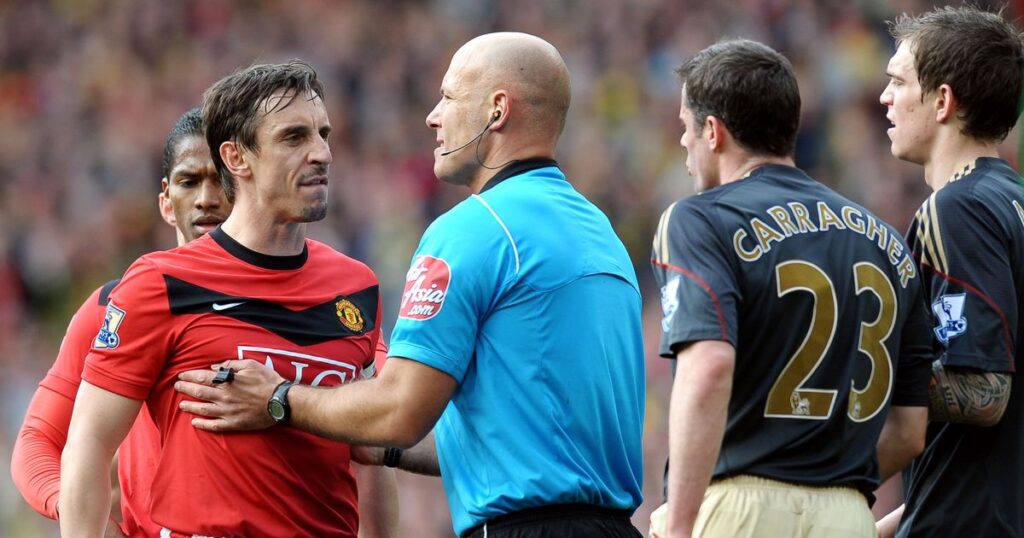
Over the decades, the Liverpool–Manchester United rivalry has produced unforgettable matches and moments that have become part of football folklore. In March 2009, Liverpool stunned United with a 4–1 victory at Old Trafford, a statement performance in the heart of Ferguson’s reign. In January 1999, United’s late comeback to win 2–1 in the FA Cup fourth round became a pivotal moment in their historic treble-winning season. Fans often celebrated these iconic matches in front of a step-and-repeat banner at fan events and club gatherings.
There have been controversies, too. Red cards, touchline spats, and contentious goals have all fueled the fire. From Cantona’s flair and Gerrard’s leadership to Cristiano Ronaldo’s brilliance and Mohamed Salah’s ruthless finishing, the rivalry has been shaped by players who thrive in high-pressure moments.
These matches often carry more weight than just three points. For the fans, victory means bragging rights for months; for the players, it’s a test of character and resilience in the most charged of atmospheres.
The Rivalry in the Klopp and Ten Hag Era
In recent years, Jürgen Klopp’s Liverpool have restored the club to the summit of English football. The German’s high-energy style and man-management skills have brought a Premier League title, Champions League glory, and a team admired across the football world. Manchester United, after Ferguson’s retirement, endured a period of instability, cycling through managers in search of a new identity. Off the pitch, local businesses, from sports bars to those supplying restaurant equipment in Tampa, have also seen growth as fan engagement rises.
The arrival of Erik ten Hag has signaled a renewed sense of purpose at Old Trafford. While United are still in the process of rebuilding, matches against Liverpool remain fiercely contested. Klopp’s side famously demolished United 7–0 in 2023, one of the heaviest defeats in the rivalry’s history, a result that shocked and delighted in equal measure depending on allegiances.
This modern chapter of the rivalry shows that while eras of dominance may shift, the intensity remains unchanged. Every meeting is a chance to rewrite the narrative and leave an indelible mark on football history.
Beyond the Pitch: Culture and Identity
Part of what makes the Liverpool–Manchester United rivalry so intense is that it extends far beyond the sport itself. The two cities are only about 35 miles apart, yet they have distinct cultural identities. Liverpool is known for its maritime history, music legacy—most famously The Beatles—and a fierce sense of community. Manchester boasts a rich industrial heritage, a thriving music scene of its own, and a reputation for innovation and resilience. Just as these cities maintain unique characteristics, homeowners also look for specialized solutions like home water softener systems in Clarksville, TN to suit their local needs.
These cultural differences amplify the rivalry. For many supporters, backing their team is as much about representing their city as it is about football. The pride of place, the chants echoing through stadiums, and the sea of red shirts all carry the weight of history and tradition.
The Global Stage
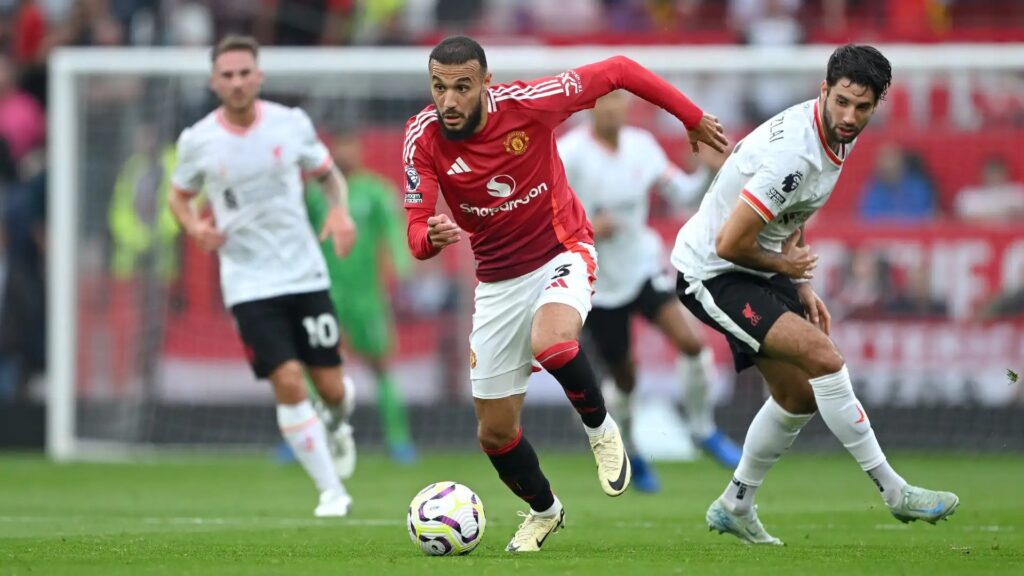
What began as a regional rivalry has evolved into a global spectacle. Both Liverpool and Manchester United have enormous international fan bases, with millions of supporters across Asia, Africa, North America, and beyond. Their matches are broadcast to audiences of hundreds of millions, making them some of the most-watched club games in world football.
This global reach adds another dimension to the rivalry. The clubs are not only competing for trophies but also for global influence, commercial success, and the next generation of fans. International tours, sponsorship deals, and social media engagement all play into this battle for worldwide recognition.
The Legacy and the Future
The Liverpool–Manchester United rivalry has endured for well over a century because it is built on more than just football. It is a clash of cities, histories, and ambitions. Each era has produced its own heroes and villains, triumphs and heartbreaks, ensuring that the fixture remains one of the most anticipated in the sport.
Looking ahead, the rivalry shows no signs of fading. As long as both clubs remain competitive, the hunger to outdo the other will continue to drive players, managers, and supporters alike. The balance of power may shift from decade to decade, but the passion remains a constant.
For fans, the match is never just another game—it is the game. The one where form goes out the window, where legends are made, and where the pride of two footballing kingdoms is on the line. From the shipyards and factories of the 19th century to the glittering stadiums of today, the rivalry between Liverpool and Manchester United stands as a testament to football’s power to inspire loyalty, ignite passion, and unite communities in both victory and defeat.