Amsterdam vs Rotterdam: How City Identity Fuels the Ajax–Feyenoord Rivalry
Dennis Washington December 3, 2025
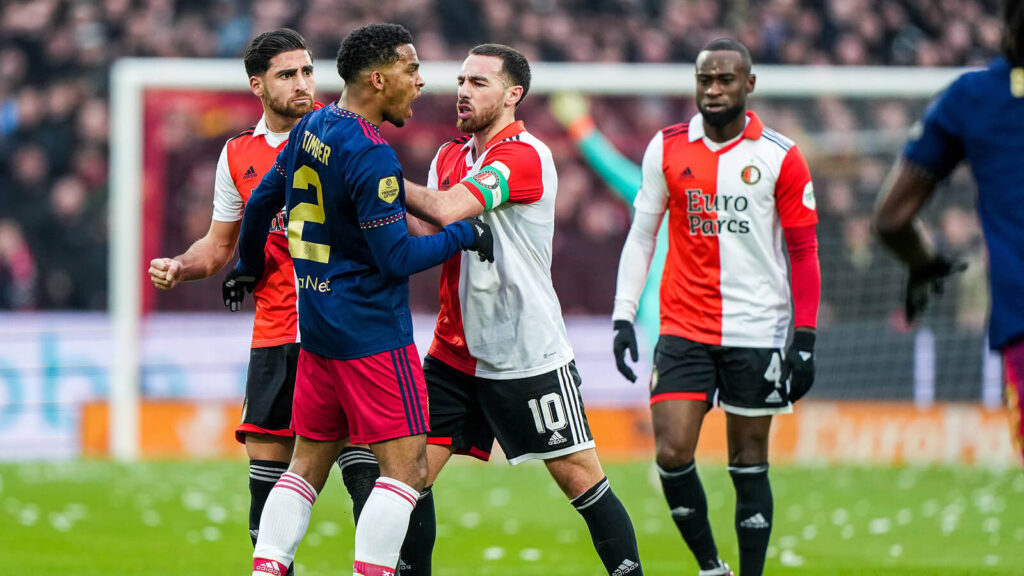
The rivalry between Ajax and Feyenoord—known simply as De Klassieker—is one of the most emotionally charged, historically layered, and culturally significant rivalries in world football. What makes it so enduring is not just footballing success or on-pitch clashes but something deeper and more elemental: the identities of Amsterdam and Rotterdam. These two cities, separated by barely 80 kilometers, have spent more than a century cultivating distinct personalities, values, and social rhythms. When Ajax and Feyenoord meet, it feels less like a match between two football clubs and more like a collision between worldviews.
To understand the intensity of this rivalry, you must understand the cities themselves. The football is the symptom; the identity is the cause.
Two Cities, Two Philosophies
Amsterdam is often seen as the Netherlands’ cultural capital, a city associated with creativity, self-expression, open-mindedness, and a certain cosmopolitan flair. It is a place where art, commerce, and innovation intersect. Locals often describe Amsterdam with a sense of pride, even arrogance, and that perception—fair or not—feeds directly into Ajax’s footballing persona. Ajax represents elegance, flair, technique, and the confidence that comes with decades of European pedigree.
Rotterdam, by contrast, is the beating industrial heart of the country. Leveled during World War II and rebuilt through determination and grit, Rotterdam symbolizes resilience. It is the city of Europe’s largest port, a place shaped by laborers, steel, concrete, and hustle. Supporters often call themselves “people who work with their hands,” and Feyenoord reflects that spirit on the pitch. The club’s identity is built on hard work, loyalty, and a passion rooted in the everyday struggles of the city.
This dichotomy—Amsterdam’s artistry vs. Rotterdam’s industry—forms the philosophical spine of De Klassieker. Every match is a showdown between these two mentalities.This rivalry expresses identity as openly as graphic patriotic t-shirts, with each club’s style and symbolism worn proudly as a public declaration of values, history, and belonging.
The Origins of a Conflict That Became Cultural
The early 20th century marked the birth of both clubs’ reputations. Amsterdam’s football scene had always leaned toward a style-focused, almost academic approach to the game. Ajax solidified this identity in the 1960s and 70s, when Rinus Michels, Johan Cruyff, and the era of Total Football reshaped global tactics. That Ajax side was bold, philosophical, and revolutionary—traits strongly associated with Amsterdam’s cultural spirit.
Meanwhile, Rotterdam embraced football as an expression of solidarity and pride, especially after the devastation of World War II. Feyenoord’s European triumphs in the late 1960s and early 70s, including winning the European Cup in 1970 under Ernst Happel, were seen as victories for everyday people. Rotterdam had fought its way back from rubble, and Feyenoord’s success symbolized that perseverance.
By the time the rivalry hit full force, it was more than football. It was a battle between identity frameworks, between who had the right to call themselves the embodiment of Dutch spirit.
A Clash of Pride: The Emotional Weight of De Klassieker
What makes this rivalry unique is how deeply it is woven into people’s lives. Families pass down club loyalty like an heirloom. The cities prepare for these matches as if they’re rituals rather than sporting events.
Ajax fans see Feyenoord as stubborn, provincial, and unrefined. Feyenoord supporters see Ajax as elitist, arrogant, and out of touch with real life. Even though both perceptions are stereotypes, stereotypes have power when they are reinforced generation after generation.
Every meeting becomes a stage for proving superiority—not just in footballing terms but in cultural terms. The noise inside De Kuip or the Johan Cruyff ArenA on match day is not just passionate; it is visceral.
When Icons Become Symbols of City Identity
The rivalry’s most iconic players often become avatars of their cities’ identities. Few represent Amsterdam’s flamboyance and self-confidence more than Johan Cruyff. His elegance, intelligence, and outspoken personality fit Ajax like a glove. Cruyff didn’t just play football; he theorized it. Amsterdam loved him because he embodied the city’s belief in creativity and progressive thinking.
Cruyff’s controversial move to Feyenoord in 1983—driven by disagreements with Ajax’s board—became one of the rivalry’s most shocking moments. Suddenly, the greatest symbol of Amsterdam’s identity crossed the divide and helped Feyenoord win the league. It wasn’t just football; it was cultural betrayal and cultural rebirth at once.
For Rotterdam, no figure captures the city’s spirit more than Willem van Hanegem. With his combative style, impeccable passing, and fierce hatred of losing, he epitomized Feyenoord’s grit. Van Hanegem’s disdain for Ajax was legendary, not only because of footballing rivalry but also because he saw Ajax as a symbol of privilege. When he spoke about Ajax, his words carried the weight of Rotterdam’s working-class frustrations and pride.
Modern players have also become cultural icons. Dirk Kuyt, with his relentless work rate and humble personality, perfectly fit Rotterdam’s values. When he returned to Feyenoord and helped deliver the 2017 Eredivisie title, it felt like a victory for the city itself.
On the Ajax side, Dennis Bergkamp and Marco van Basten reinforced the club’s identity of technique and elegance. More recently, players like Frenkie de Jong, with his effortless control and spatial intelligence, continue that tradition. These players aren’t just athletes; they are carriers of cultural DNA.
Violence, Passion, and the Blurred Line Between Devotion and Extremism
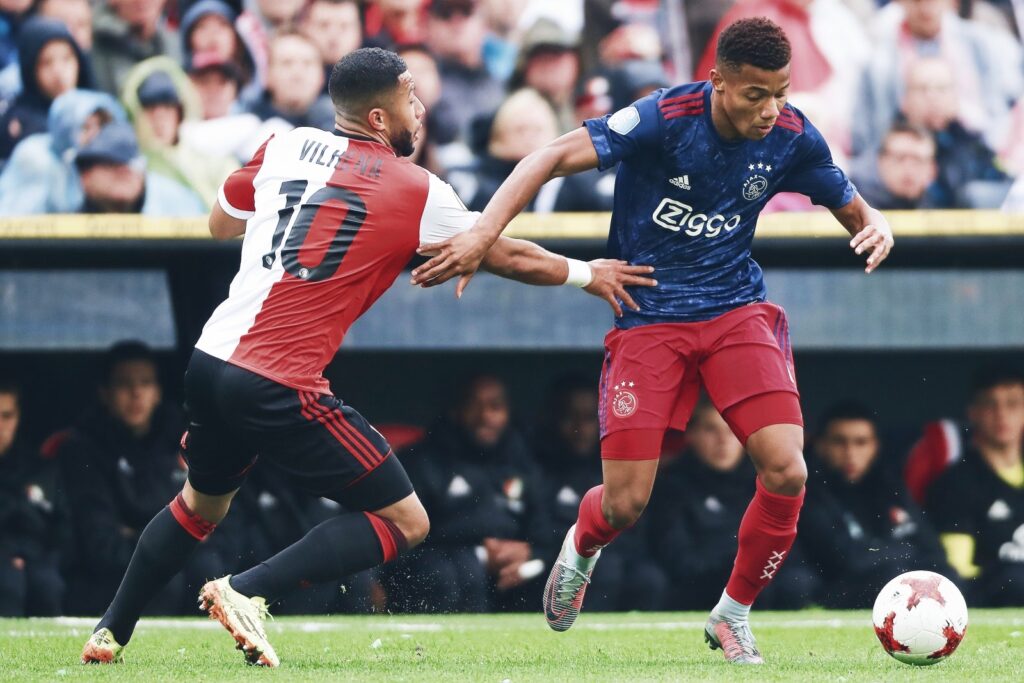
The rivalry has not always remained confined to sport or symbolism. Unfortunately, it has sometimes crossed into violence. The intensity of the cities’ cultural identities has made certain matches volatile, leading to confrontations among supporters. These incidents, while tragic, underline just how deeply this rivalry taps into people’s sense of belonging and identity.
It is important to understand that these violent episodes, while part of the rivalry’s history, do not define it. The majority of fans experience De Klassieker as a celebration of passion. But the fact that emotions sometimes spill over shows how intertwined the rivalry is with people’s personal and social identities. When a football match becomes a proxy for community pride, the stakes feel higher than three points.
Stadiums as Stages of Identity
De Kuip and the Johan Cruyff ArenA are more than venues; they are temples of city identity. De Kuip, with its steep stands and raw energy, reflects Rotterdam’s straightforward, no-nonsense character. Matches there feel intense, close, almost claustrophobic—as if the stadium is pressing in with the will of the supporters.
The Johan Cruyff Arena, with its modern design and technical infrastructure, mirrors Amsterdam’s sleek, innovative mindset. It’s a stadium designed for performance, efficiency, and spectacle. Ajax’s style of play—structured, technical, and cerebral—fits perfectly into this environment.
The contrast between the stadiums only amplifies the sense that De Klassieker is a cultural clash played on grass.
How Modern Football Keeps the Rivalry Alive
Despite globalization, player transfers, and commercial influences, the Ajax–Feyenoord rivalry has not softened. If anything, it has grown more symbolic. In an era when football clubs often feel detached from their local roots, Ajax and Feyenoord still reflect their cities’ personalities vividly.
Amsterdam continues to position itself as a global creative hub, and Ajax mirrors that with a youth academy that produces technically gifted players admired worldwide. The club’s style is about innovation and pushing boundaries, just like its city.
Rotterdam, forever proud of its resilience and unity, finds in Feyenoord a symbol of loyalty and authenticity. While the club may not always match Ajax’s financial power, its supporters thrive on the idea of fighting against the odds. That underdog spirit strengthens the emotional bond between city and club.
New generations may not remember the Cruyff era or the impact of wartime reconstruction, but the cultural backbone of this rivalry remains intact. When young players from Ajax’s De Toekomst and Feyenoord’s Varkenoord face each other, they are not just competing for points—they are stepping into a century-old narrative.
Why the Rivalry Endures
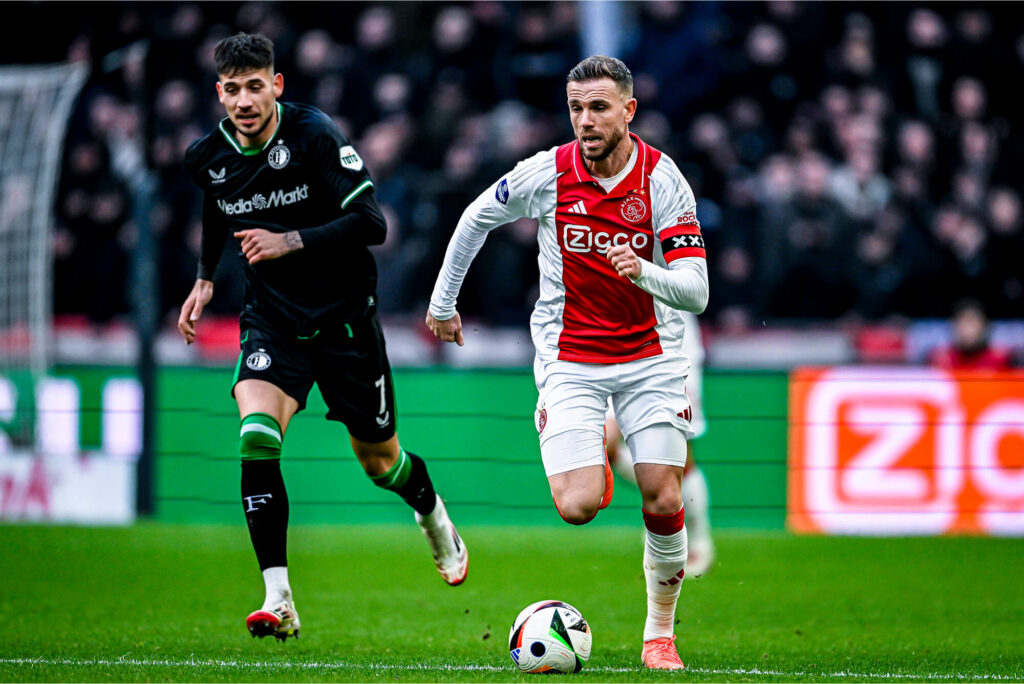
The reason De Klassieker remains so powerful is because it is rooted in identity rather than circumstance. Some rivalries depend on league standings or temporary competitiveness. Ajax vs. Feyenoord depends on something much deeper: a cultural divide that predates most of the players and supporters alive today.
It is the tension between ambition and humility, between creativity and labor, between self-expression and solidarity. These cultural contrasts are not enemies; they are complementary forces that shape the Netherlands. But when they meet on a football pitch, they ignite.
The rivalry endures because it tells a story. A story of two cities trying to define themselves, of communities expressing their pride through football, of generations inheriting not just club loyalty but a worldview.
De Klassieker is more than a match. It is the Netherlands arguing with itself, celebrating itself, challenging itself. And as long as Amsterdam and Rotterdam remain true to their identities, the rivalry between Ajax and Feyenoord will continue to burn—passionately, fiercely, and unmistakably alive.