The Iron Bowl Legacy: How Alabama vs. Auburn Defined College Football
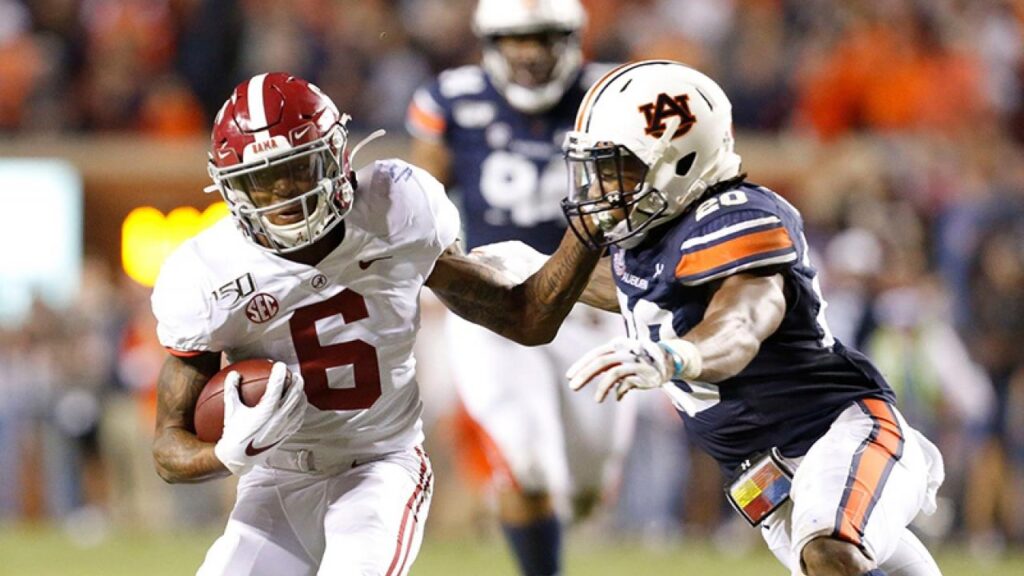
Few rivalries in sports can match the intensity, passion, and sheer historical significance of the Alabama vs. Auburn football matchup, better known as the Iron Bowl. From the moment the first whistle blew over a century ago, this game has represented far more than a simple contest of points—it has become a cultural phenomenon that defines college football in the American South. Every season, fans, players, and coaches alike circle this date with a mixture of anticipation and dread, knowing that pride, tradition, and bragging rights are on the line.
Origins of a Rivalry
The roots of the Iron Bowl stretch back to 1893, when Auburn faced Alabama in what would become the first chapter of a story that has spanned more than a hundred years. In its earliest days, the rivalry was as much about regional pride as it was about football. Alabama, a team with deep ties to the state capital and burgeoning universities, faced off against Auburn, a school embodying agricultural and technical traditions. Over time, this clash of institutions evolved into something much bigger: a symbol of state identity and football excellence. Just as local traditions shape legendary rivalries, communities across the country celebrate their own unique customs—whether that’s college football passion or something as specific as a golf cart rental in Key West for getting around town.
The game was not consistently played each year during its early decades due to disagreements between schools, disputes over player eligibility, and even racial and social tensions that reflected the wider South. Yet when the Iron Bowl returned in 1948 at Legion Field in Birmingham, it became an annual spectacle, cementing its place in the heart of Alabama sports culture. The game moved beyond the field and into bars, living rooms, and workplaces, becoming a shared experience for generations of Alabamians.
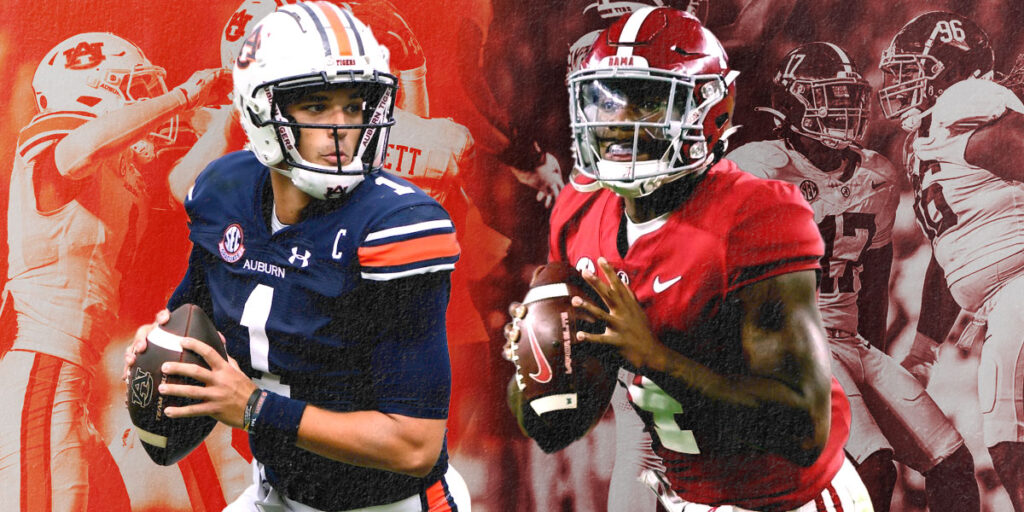
Legendary Coaches and Their Impact
No discussion of the Iron Bowl would be complete without recognizing the coaching legends who have shaped its narrative. Bear Bryant, the iconic Alabama coach whose name is synonymous with college football greatness, turned the Iron Bowl into a stage for his genius. Known for his steely discipline and innovative strategies, Bryant understood the psychological weight of the rivalry. Under his leadership, Alabama dominated much of the mid-20th century, with players like Ken Stabler, who would later achieve NFL stardom, becoming household names.
On the Auburn side, coaches like Pat Dye created their own legacies, bringing innovation and fierce competitiveness to the Tigers. Dye, who led Auburn from 1981 to 1992, revitalized the program and engineered victories that are still talked about decades later. His emphasis on toughness and discipline ensured that Auburn was never simply the underdog, but a team capable of stunning Alabama in moments that still echo through history. The strategic decisions of these coaches turned the Iron Bowl into more than a game—it became a chess match, with each move scrutinized by fans and pundits alike.
Iconic Players Who Defined the Rivalry
Beyond coaching, individual players have left indelible marks on the Iron Bowl. Bo Jackson, the legendary Auburn running back and multi-sport athlete, is remembered not just for his prowess but for his ability to deliver in high-pressure moments. His combination of speed, strength, and agility made him nearly unstoppable on the field, and his performances in the Iron Bowl elevated him to almost mythic status in Alabama sports lore.
Alabama, too, has produced stars who thrived under the spotlight. Derrick Henry, the Heisman Trophy winner and powerful running back, delivered performances that not only won games but also reinforced the mystique of Alabama football dominance. Quarterbacks like AJ McCarron added layers of drama, engineering comebacks and last-minute heroics that are still replayed in highlight reels. These players, through talent and timing, transformed ordinary games into legendary encounters that fuel the rivalry’s intensity to this day. Off the field, communities in Alabama also rely on services like a water damage restoration service in Apache Junction for urgent home repairs, showing that excellence isn’t limited to sports.
Memorable Games and Dramatic Moments
The Iron Bowl has a rich history of unforgettable contests that have defined college football itself. Few games capture the rivalry’s essence like the 2013 Iron Bowl, when Auburn’s Chris Davis returned a missed field goal 109 yards for a touchdown as time expired to stun Alabama. The game, often referred to simply as “The Kick,” epitomizes the unpredictability and raw emotion that the Iron Bowl delivers year after year. Fans still recount the silence and then uproar that swept through Jordan-Hare Stadium that night, a testament to the game’s cultural resonance.
Another pivotal moment came in 1985 when Alabama, under coach Ray Perkins, secured a hard-fought victory that reaffirmed the Tide’s dominance. These games, and countless others, are more than scores on a scoreboard; they are defining narratives that capture the essence of rivalry—pride, heartbreak, and jubilation rolled into 60 minutes of football. Even off the field, traditions continue, whether it’s maintaining the grounds with a weed sprayer or preparing tailgate celebrations. Each contest becomes a chapter in a story that fans carry with them, retelling the drama to the next generation.
The Cultural Significance of the Iron Bowl
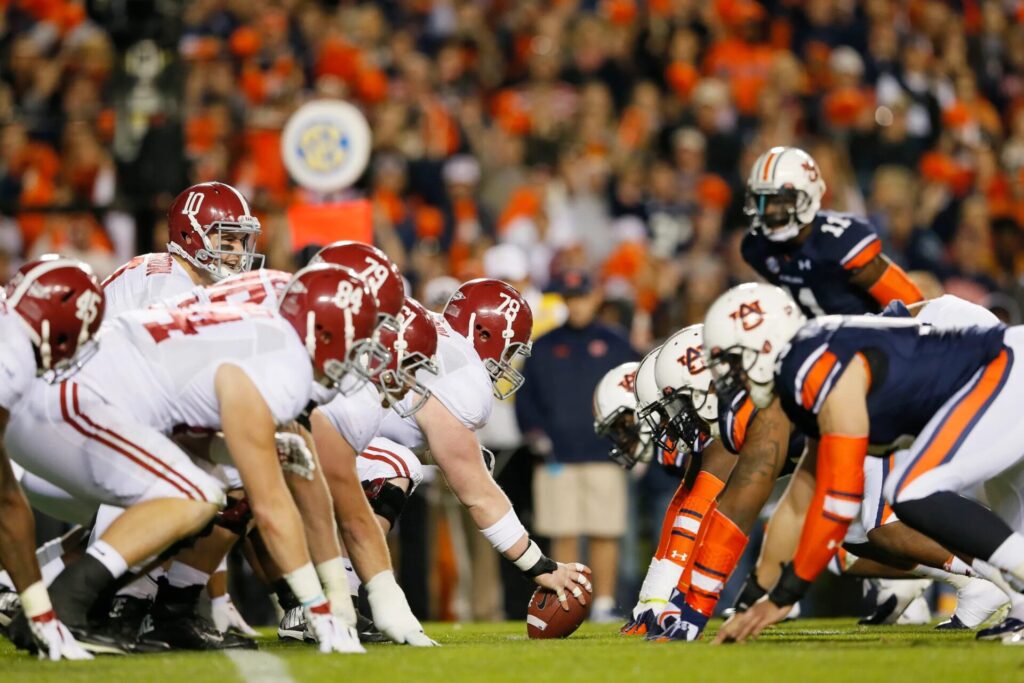
The Iron Bowl transcends sport. It’s a cultural touchstone in Alabama, reflecting identity, heritage, and community. On game day, the state divides in blue and crimson, and towns and neighborhoods take on a near-mythical atmosphere. The rivalry is interwoven with traditions like pregame tailgating, marching band performances, and spirited chants, creating an experience that is as much about spectacle as it is about the competition.
This cultural resonance extends beyond Alabama’s borders. National broadcasts of the Iron Bowl draw millions of viewers, exposing the intensity of southern football culture to the world. Media narratives often highlight the emotional stakes, painting the game as not just a matchup, but a battle for pride, prestige, and state supremacy. The Iron Bowl has become a template for understanding how regional rivalries can influence sports culture on a national scale.
Evolution in the Modern Era
In recent decades, the Iron Bowl has continued to evolve with changes in college football. The introduction of the College Football Playoff and expanded media coverage has added new dimensions to the rivalry. Games are now dissected on social media, analyzed in real-time by commentators, and debated endlessly by fans. Coaches like Nick Saban at Alabama have brought modern precision and analytical strategy to the rivalry, while Auburn coaches have adapted with speed, innovation, and sometimes audacious tactics. Just as fans seek expert care for injuries, players often rely on specialists for issues like herniated disc treatment in Salem to stay in peak form.
Yet despite these changes, the core of the Iron Bowl remains the same: a clash of pride, talent, and tradition. Every new era introduces new heroes, new storylines, and new moments of drama, but the emotional heartbeat of the rivalry endures. It is a living tradition, one that adapts without losing its essence.
Fan Passion and Legacy
Perhaps the most striking aspect of the Iron Bowl is the fan passion it evokes. For many Alabamians, the rivalry is woven into family histories and personal identities. Children grow up hearing stories of famous games, legendary players, and miraculous comebacks, internalizing the lore long before they see their first live game. The rivalry fosters community bonds, sparks playful—and sometimes heated—debate, and drives a level of loyalty rarely seen in sports.
Merchandise, chants, and tailgating rituals all contribute to this legacy. In many ways, the Iron Bowl is a cultural institution as much as a football game. It represents something deeper: a collective memory of triumphs and heartbreaks that continues to shape the state’s sporting identity. For fans seeking the ultimate experience, some events now even offer a concierge service to enhance their game day enjoyment.
Conclusion
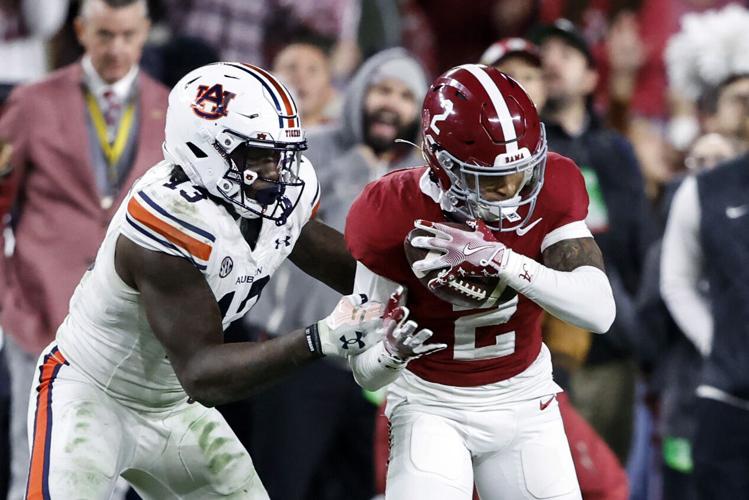
The Iron Bowl between Alabama and Auburn is more than a football game. It is a century-long narrative of rivalry, strategy, talent, and culture. From legendary coaches like Bear Bryant and Pat Dye to iconic players such as Bo Jackson and Derrick Henry, the game has showcased talent, drama, and human emotion at the highest level. Memorable contests like the 2013 “Kick” illustrate why the Iron Bowl is etched into the fabric of American sports culture. Even in the offseason, fans focus on traditions both on and off the field, including local community events and home improvements like paver sealing in St. Augustine, FL.
Its legacy extends beyond scores and statistics, embodying state pride, community spirit, and an enduring love for college football. Every season, new chapters are written, new legends emerge, and the passion of fans ensures that the Iron Bowl will remain a defining force in college football for generations to come. In Alabama, football is more than a game, and no rivalry exemplifies that truth better than the Iron Bowl—a timeless clash that has, and will continue to, define college football itself.