The Camera Chooses the Enemy: How Broadcasting Angles Shape Fan Hatred
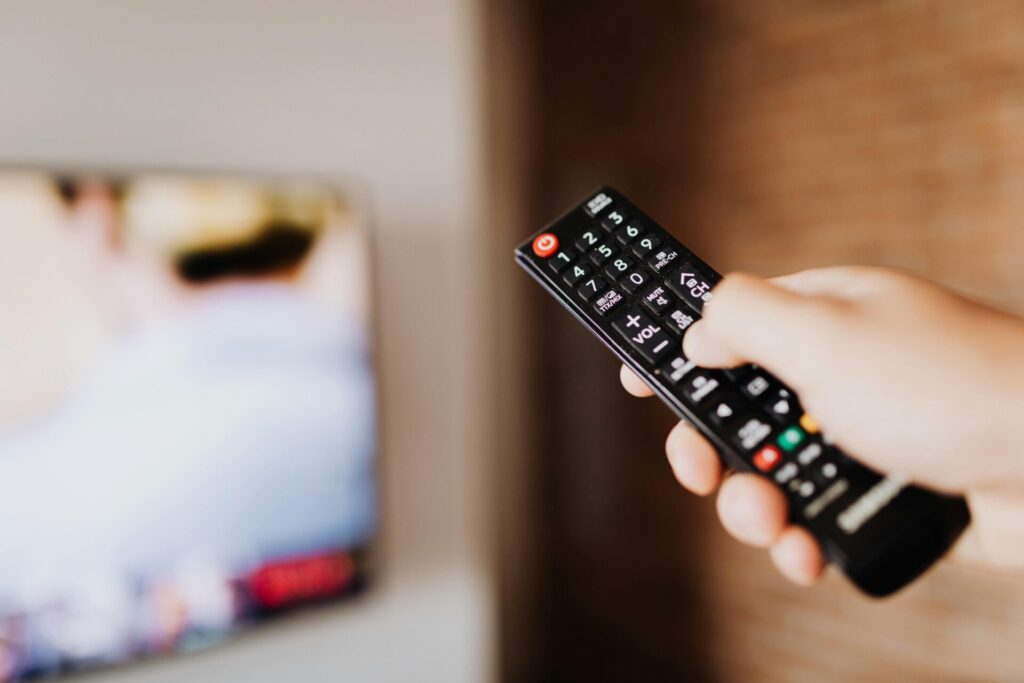
Sports and competitive events have long been arenas not just for athletic prowess but also for narrative construction. While the action on the field, court, or track unfolds in real time, the way it is presented to viewers is mediated, curated, and sometimes subtly manipulated by broadcasting choices. Television and digital broadcasting do more than document events—they actively shape perception, influence emotional responses, and construct heroes and villains. Among the most profound effects of these choices is the creation of fan animosity. What fans perceive as antagonism, rivalry, or malice is often reinforced, if not initiated, by the deliberate or inadvertent angles, cuts, and camera focus employed by sports media.
The phenomenon is not new, but its impact has been magnified in the modern media environment. Advances in camera technology, the proliferation of multiple viewing angles, real-time replays, slow-motion sequences, and instant social media commentary all contribute to a heightened sense of drama. Audiences are no longer passive spectators; they are emotionally engaged participants whose reactions are shaped by the lens through which events are broadcast. This creates a feedback loop in which broadcasting decisions influence fan behavior, and fan behavior, in turn, informs further broadcasting. The result is a culture in which “the camera chooses the enemy,” designating individuals or teams as targets of intense scrutiny, criticism, and sometimes outright hatred.
Understanding how broadcasting angles contribute to this phenomenon requires an examination of both the technical and psychological mechanisms at play. While sports are ostensibly objective contests, broadcasting is inherently subjective, determined by choices about which moments to highlight, whose reactions to capture, and how to frame conflict. The power of the lens is such that a single replay of a controversial moment or a close-up on an athlete’s expression can ignite discussion, fuel outrage, and create lasting narratives that extend far beyond the context of the game itself.
The Power of Selective Framing
Selective framing is perhaps the most direct way in which broadcasting shapes fan perception. By choosing which incidents to show, how long to dwell on them, and from which angle, producers can subtly influence the story that fans perceive. A foul in a soccer match, for instance, might be replayed in slow motion, emphasizing the aggressiveness of the defender while omitting contextual details such as a preceding provocation or an accidental misstep. By framing a single action as intentional, malicious, or outrageous, broadcasters can convert neutral spectators into outraged fans, fueling the perception that an individual athlete or team is an enemy. Just as marketers use selective framing to influence fan perception, fashion brands use it to highlight patriotic men’s t-shirts during key national holidays, subtly encouraging a sense of identity and pride.
The camera’s ability to control perspective extends to player reactions as well. Close-ups of visible anger, frustration, or defiance can amplify the perception of antagonism. Consider a scenario in which a player glares at the referee or gesticulates toward an opponent. While these actions may be brief and contextually understandable on the field, broadcasting choices that linger on them or replay them repeatedly can magnify hostility, encouraging viewers to interpret them as symbolic of a larger pattern of behavior. Over time, repeated exposure to these curated moments creates a cumulative effect: a player or team becomes associated with negative traits in the eyes of fans, regardless of the broader context.
Selective framing is further reinforced by commentary and narrative construction. Sports commentators often highlight moments that fit a particular story arc, emphasizing drama and conflict. When the camera and commentary work together to focus attention on a single player or team, viewers are guided toward assigning blame, moral judgment, and emotional intensity. This phenomenon is particularly pronounced in high-stakes or rivalry games, where every action is subject to heightened scrutiny, and fan reactions are amplified by preexisting expectations and narratives. Through this combination of visual focus and verbal framing, broadcasting shapes the lens through which fans perceive competition, transforming minor incidents into enduring symbols of enmity.
Slow Motion, Replays, and Emotional Amplification
The technological capabilities of modern broadcasting have heightened the potential for shaping fan perception. Slow motion and repeated replays, in particular, have become standard tools for emphasizing drama, controversy, or spectacle. While these tools are often justified as providing clarity or precision, they also carry a powerful emotional impact. A single incident replayed multiple times, especially in slow motion, can exaggerate the intensity, intent, or consequence of an action, amplifying viewers’ emotional responses and contributing to the construction of enemies in the eyes of fans.
Slow-motion replays have a psychological effect that extends beyond mere clarity. Research in cognitive psychology suggests that prolonged exposure to a dramatic event enhances emotional intensity and solidifies memory, making viewers more likely to perceive actions as deliberate or morally significant. For example, a tackle in American football or a collision in hockey may be perfectly legal or accidental in real time. When replayed in slow motion from multiple angles, however, the same event can appear aggressive, reckless, or malicious. Fans internalize these representations, often sharing outrage on social media or discussing the incident with increased emotional intensity, further reinforcing the perception of an enemy.
The context of replay also matters. By selectively choosing which moments to replay, broadcasters can shape the narrative arc of a game. Highlighting one player’s mistakes while minimizing the successful or neutral contributions of the same individual can foster a sense of unfairness, antagonism, or villainy. The repetition inherent in replay strengthens this perception, as viewers are exposed not just once, but multiple times, to a curated version of reality. In this way, the camera acts as a narrative arbiter, deciding who is culpable, who is admirable, and who should be feared or despised by fans.
Social media intensifies the effect of slow motion and replay. Clips, gifs, and highlights are shared widely, often stripped of their broader context and paired with subjective commentary. What begins as a brief moment on live television can become a viral symbol of enmity, perpetuated across platforms and generations of fans. In this digital ecosystem, broadcasting angles are magnified and democratized, reaching audiences far beyond the stadium or television set and creating a feedback loop in which fans reinforce and amplify the perceived hostility.
Close-Ups and the Construction of Villainy
Close-ups are another broadcasting technique that contributes to the creation of perceived enemies. By focusing on individual expressions, gestures, or micro-reactions, cameras can isolate players from their context, emphasizing human emotion in ways that magnify conflict. A single glare, grimace, or sarcastic gesture captured in close-up can become a symbol of antagonism, defining how fans interpret not just a single event, but the personality and character of an athlete.
The construction of villainy through close-ups is particularly evident in high-profile or emotionally charged events. In championship games or rivalry matchups, broadcasters often seek to heighten drama by capturing reactions at critical moments. Close-ups of a losing player’s frustration, a referee’s tense expression, or a celebratory gesture by the opposing team are strategically deployed to shape the viewer’s emotional response. Fans internalize these visual cues, associating individual players or teams with negative traits such as arrogance, aggression, or unsportsmanlike behavior. The lens effectively selects the enemy, turning fleeting expressions into enduring symbols of antagonism.
Close-ups also interact with narrative framing and commentary. When commentators draw attention to a player’s expressions, highlight apparent taunts, or suggest intentional provocation, the combination of visual and verbal cues reinforces perception. Fans are not merely observing; they are being guided to interpret emotional signals in a particular way. Over time, repeated exposure to close-ups of the same individuals in high-stakes moments solidifies the perception of enmity, turning athletes into archetypal heroes or villains in the cultural imagination. This phenomenon illustrates that broadcasting is not neutral documentation—it is a powerful tool for narrative construction, shaping identity, morality, and emotion in the eyes of viewers.
Conclusion: Navigating the Lens of Perception
The role of broadcasting in shaping fan hatred underscores the profound influence of mediated perception. Cameras do not merely record events—they select, frame, and amplify moments in ways that construct narratives, assign moral significance, and define enemies. Through selective framing, slow motion and replays, close-ups, and commentary, broadcasting shapes the way fans experience competition, often turning neutral or ambiguous actions into symbols of villainy and enmity.
Understanding this phenomenon is critical for athletes, fans, and producers alike. For athletes, awareness of how moments are curated can inform behavior and media strategy. For fans, recognizing the role of the lens and narrative construction encourages critical engagement rather than unthinking reaction. And for broadcasters, ethical responsibility involves balancing drama and storytelling with fairness and context, acknowledging the psychological impact of visual framing. Ultimately, the camera does not merely show the game—it participates in the construction of social perception, identity, and conflict, shaping a world in which the chosen enemy is often as much a product of the lens as of the competition itself.