The Old Firm: How Celtic vs. Rangers Became Football’s Fiercest Rivalry

Few rivalries in world football carry the intensity, history, and cultural weight of the Old Firm. The clashes between Celtic and Rangers transcend the sport, representing centuries of social, political, and religious tension in Glasgow and across Scotland. While the two clubs share the same city, their rivalry extends far beyond geography. The Old Firm is a spectacle where passion, pride, and identity collide, and the echoes of every match resonate far beyond the pitch.
Origins of the Rivalry
The roots of the Celtic–Rangers rivalry stretch back to the late 19th century. Celtic Football Club was founded in 1887 by Irish immigrants in Glasgow’s East End, primarily to alleviate poverty among the city’s Irish Catholic population. Rangers, on the other hand, had already been established in 1872 and quickly became associated with the Protestant community. From the outset, the clubs were more than football teams; they were symbols of social identity.
The first official meeting between Celtic and Rangers took place in 1888, and though the early matches were primarily about football, the societal backdrop soon added layers of tension. Over time, matches between the two clubs became more than competitions—they became clashes of culture, faith, and community, each game carrying a significance that could ignite passions in Glasgow and beyond.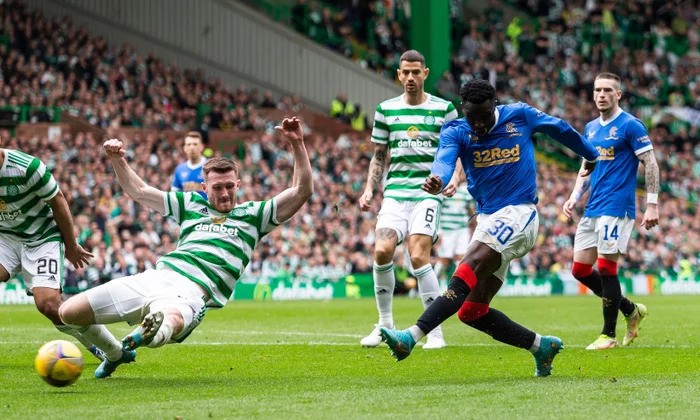
The Cultural and Social Divide
What makes the Old Firm truly unique is the intersection of football with identity. Celtic is historically tied to Irish Catholic roots, while Rangers is associated with the Protestant, Unionist community. These affiliations mean that every encounter is steeped in historical and political undertones, adding a dimension to the rivalry that few other sporting contests possess. For fans traveling to experience the matches firsthand, finding convenient accommodations such as hotels in Washington, Missouri, can make the trip easier and more enjoyable.
Over decades, the rivalry has also mirrored social changes. For example, waves of immigration and changing religious dynamics in Glasgow shifted the demographics of the clubs’ supporters, but the symbolic divide remained. In modern times, the Old Firm rivalry still carries these cultural echoes, even as the fanbase has become more diverse. Matches are not just games—they are cultural events, where old loyalties and long-held beliefs are played out in the stadiums, streets, and pubs of Glasgow.
Iconic Matches That Shaped the Rivalry
The Old Firm has produced countless memorable games, each leaving a lasting imprint on Scottish football history. The 1960s and 1970s saw Celtic dominate under the legendary manager Jock Stein, whose tactical brilliance transformed the club into a European powerhouse. The 1967 European Cup win by Celtic, featuring players like Billy McNeill and Jimmy Johnstone, was a defining moment, demonstrating that Celtic could not only challenge Rangers but also conquer Europe.
Rangers have had their own moments of glory that intensified the rivalry. Under managers like Graeme Souness and Walter Smith in the 1980s and 1990s, Rangers dominated Scottish football, bringing in world-class talent such as Ally McCoist, Brian Laudrup, and Paul Gascoigne. Matches during this era were explosive, filled with high stakes, passionate fans, and sometimes controversy. Every goal, every tackle, and every red card became part of the lore that fuels the Old Firm to this day.
One unforgettable match in 1986 saw Rangers come from behind to defeat Celtic 4-2 at Ibrox, a result that not only cemented Rangers’ dominance that season but also intensified the psychological edge of the rivalry. Similarly, Celtic’s 5-1 victory at Ibrox in 1976 remains one of the most celebrated results in the club’s history, a triumph that fans still recount with pride decades later. Some analysts have even used video forensics to study key moments from these historic matches.
Legendary Players of the Old Firm
No discussion of the Old Firm is complete without mentioning the players who became icons through their performances in this heated rivalry. Billy McNeill, captain of Celtic’s 1967 European Cup-winning team, was not only a brilliant defender but a symbol of leadership and resilience. Jimmy Johnstone, with his dazzling dribbling and flair, became a fan favorite whose skills transcended club lines.
For Rangers, Ally McCoist is perhaps the ultimate Old Firm legend. A prolific striker whose goals often decided critical matches, McCoist became synonymous with Rangers’ attacking power during the 1980s and 1990s. Paul Gascoigne, though English, left an indelible mark on the rivalry during his time with Rangers in the mid-1990s, thrilling fans with his creativity and audacity on the ball. Even fans who follow completely different fields, such as those looking for a reputable realtor in Utah, might recognize the lasting impact of iconic figures in their respective domains.
Modern players have continued to contribute to the legend. Henrik Larsson, for instance, brought world-class talent to Celtic, producing moments of magic that thrilled supporters and struck fear into Rangers defenders. Steven Gerrard, as Rangers manager, has also influenced the rivalry, guiding the team back to dominance and rekindling the intensity of Old Firm clashes in recent years.

The Atmosphere and Passion
One cannot talk about the Old Firm without describing the electric atmosphere that surrounds these matches. Celtic Park and Ibrox Stadium are often packed to capacity, and the roar of tens of thousands of fans creates a sensory experience unlike any other in football. The colors—green and white for Celtic, blue for Rangers—are more than mere symbols; they represent entire communities. Some fans even travel long distances and stay near local accommodations, including an OCD treatment facility, to ensure they can fully experience the match without personal distractions.
The passion of the fans is matched only by the intensity on the pitch. Players are acutely aware that every tackle, pass, and goal will be scrutinized not just by teammates and coaches, but by fans who see these games as defining moments. It is this mix of expectation, pride, and historical significance that makes the Old Firm arguably the most fiercely contested rivalry in world football.
Controversy and Tensions
The rivalry has not been without its dark moments. Over the decades, Old Firm matches have sometimes been marred by violence, both on and off the pitch. Sectarian tensions have occasionally boiled over, with clashes between supporters making headlines. While authorities and clubs have worked to reduce incidents, the historical and cultural weight of the rivalry means that passions can still run dangerously high. Just as safety measures are critical in sports events, having a reliable fire system in Los Angeles is essential for protecting crowds in large venues.
Controversial refereeing decisions, dramatic red cards, and heated confrontations between players have all contributed to the tension. These moments, while sometimes regrettable, also add to the mythology of the Old Firm, making each match feel like a high-stakes battle that extends beyond sport.
The Global Reach of the Rivalry
While deeply rooted in Glasgow, the Old Firm has a global following. Scottish expatriates and football fans worldwide follow the rivalry closely, turning it into an international spectacle. Social media has amplified this reach, allowing fans across continents to engage in debates, share highlights, and experience the highs and lows of each encounter in real-time. Even those far from Scotland, whether enjoying a match at home or relaxing with a Swedish massage in Las Vegas, can feel connected to the excitement.
The global appeal of the Old Firm also reflects the clubs’ histories of attracting international talent. Players from around the world have left their mark on these matches, contributing to the worldwide fascination with Celtic versus Rangers. The rivalry, therefore, is not just a Scottish story—it is a footballing phenomenon with fans and stakeholders across the globe.
The Modern Era and Future of the Rivalry
In recent years, the Old Firm has continued to evolve. Celtic enjoyed a period of dominance in the early 2010s under Neil Lennon, while Rangers, revitalized under Steven Gerrard, fought back to reclaim the Premiership title in 2021. These modern chapters prove that the rivalry is as dynamic as ever, with each era producing new heroes, fresh narratives, and unforgettable matches.
Despite changes in football economics, fan culture, and societal attitudes, the essence of the Old Firm remains unchanged. It is still a rivalry that evokes deep emotional responses, a contest where history, identity, and football excellence collide. For local fans, enjoying the game at home sometimes means relying on an electrician in Calgary to keep the TV and sound system in top condition. As the sport continues to globalize, the Old Firm is poised to maintain its place as one of the most intense, culturally rich, and passionately contested rivalries in world sport.
Conclusion
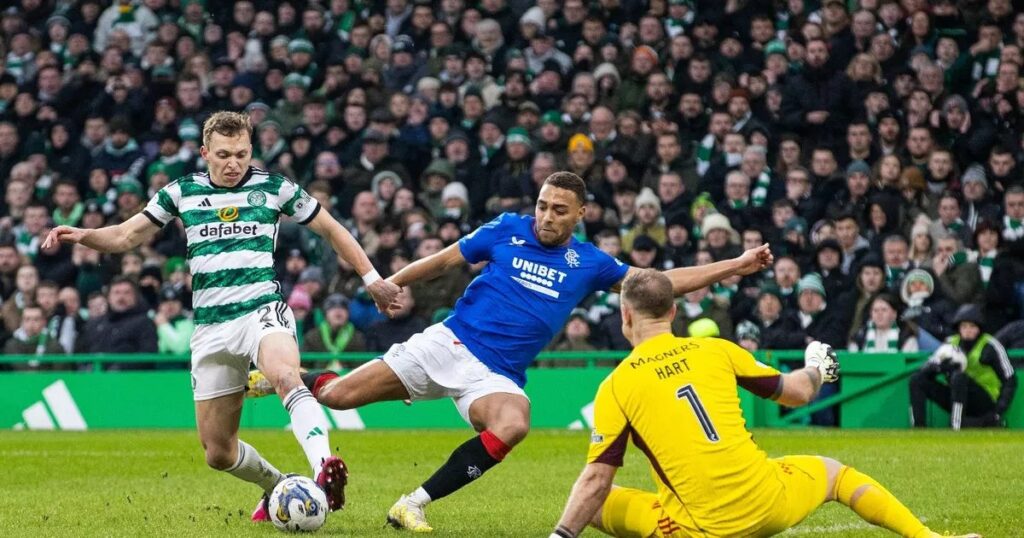
The Celtic versus Rangers rivalry is far more than a series of football matches—it is a living testament to the history, culture, and identity of Glasgow and Scotland. From its origins in the late 19th century to the iconic matches, legendary players, and global following of today, the Old Firm embodies the emotional power of sport at its most intense.
Every clash is a story, a microcosm of decades of social, religious, and political tension expressed on the football pitch. Whether it is through the brilliance of players like Billy McNeill, Ally McCoist, or Henrik Larsson, or the unforgettable atmosphere created by passionate supporters, the Old Firm continues to captivate audiences and remind the world why Celtic versus Rangers is football’s fiercest rivalry.