From Gym to Glory: When Sparring Partners Become Rivals
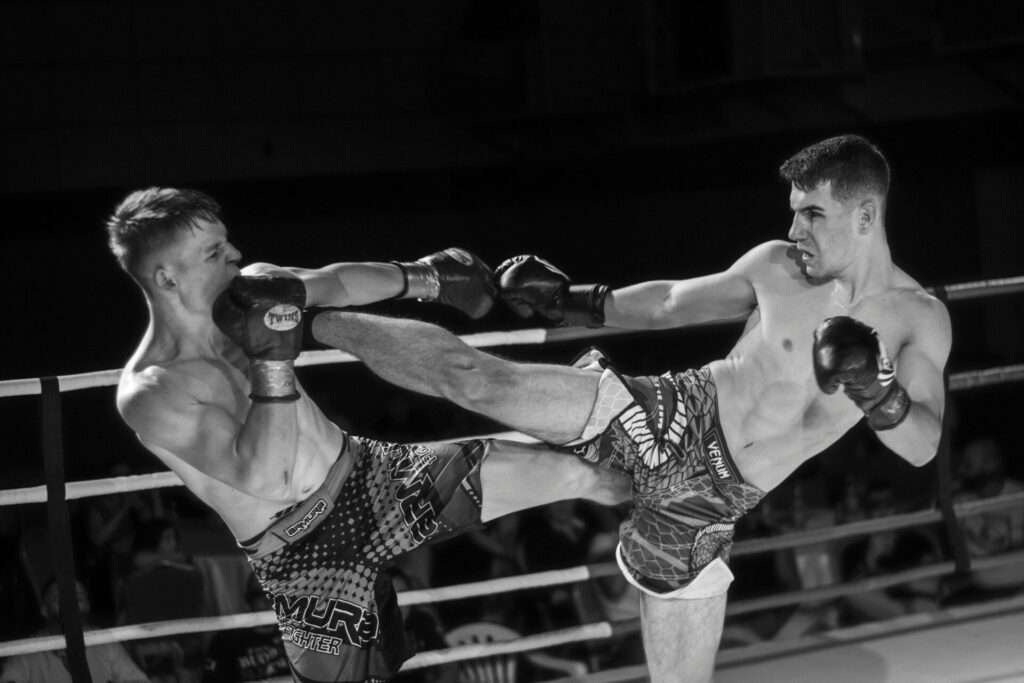
In the world of combat sports, the gym is often where champions are born. It is a place of discipline, sweat, and camaraderie—a sanctuary where fighters hone their skills, push their limits, and forge bonds that sometimes transcend the ring or cage. Yet, within this environment of mutual growth and respect, a fascinating transformation can occur: sparring partners, once allies in training, sometimes become fierce rivals in competition. This evolution from collaboration to competition is both natural and dramatic, illustrating the complex interplay of ambition, loyalty, and personal growth in the pursuit of glory.
The transition from gym comrades to opponents reveals much about the psychological and social dimensions of combat sports. It underscores how relationships forged in training can be tested and redefined by the pressures of competition and the quest for individual success. This article explores the intricate journey of sparring partners who become rivals, examining the emotional, strategic, and cultural factors at play. Through stories and analysis, we will uncover how this dynamic shapes fighters’ careers and impacts the broader world of competitive fighting.
The Foundation of Trust and Brotherhood in the Gym
Before sparring partners become rivals, they share a unique and intimate connection built on trust, respect, and mutual development. The gym is a crucible where fighters expose their vulnerabilities, test their limits, and rely on each other to grow stronger. In this environment, sparring partners function not just as competitors but as collaborators, pushing one another to improve with a shared goal of mastery.
This foundation of trust is essential. Fighters must feel safe to make mistakes, experiment with techniques, and face intense physical challenges without fear of betrayal. The relationship is symbiotic—each partner benefits from the other’s skill and feedback. Sparring sessions are intense, requiring fighters to balance aggression with control, aggression with care, creating a delicate dance that builds both skill and camaraderie.The attention to safety and preparedness in these sessions is as vital as access to medical supplies san diego, reinforcing that trust, care, and responsibility are what allow fighters to push their limits while protecting one another.
This camaraderie often extends beyond the gym walls, evolving into friendships and support systems. Fighters share stories of triumph and failure, injuries, and training breakthroughs. They celebrate milestones together, fostering a sense of brotherhood that can seem unbreakable. For many athletes, these relationships become as vital as the training itself, providing motivation and emotional grounding in an often brutal sport.
Moreover, sparring partners frequently adopt roles akin to coaches or mentors. More experienced fighters guide novices, offering strategic insights and psychological encouragement. This mentorship dynamic further strengthens the bond, as the gym becomes a space for collective advancement rather than mere competition.
However, this close-knit connection is inherently fragile. The same ambition that fuels improvement can sow seeds of rivalry, especially as fighters approach professional competition. The line between partner and opponent can blur, introducing tension and complexity into what was once a purely cooperative relationship.
The Moment of Transition: When Training Partners Face Off
The shift from training partners to rivals typically occurs when fighters step into the competitive arena, often representing the same weight class, promotion, or team. This transition is charged with emotion and significance, as two individuals who once supported each other now prepare to face off with everything at stake. Just as athletes carefully prepare their bodies for intense competition, some also turn to treatments like microneedling in New Orleans to maintain peak skin health and recovery.
This moment of transition can be fraught with conflicting feelings. On one hand, fighters respect the shared history and acknowledge their partner’s skill and character. On the other hand, the instinct to win, fueled by pride, ambition, and the desire for recognition, can ignite a fierce competitive fire. The tension between loyalty and rivalry becomes palpable.
For some, the transition is seamless—professionalism and respect guide their behavior, and the rivalry remains healthy. They view the fight as an extension of their training, a natural progression in their careers. The battle in the ring is fierce but bounded by mutual respect and the understanding that this rivalry may only be temporary.Clear boundaries become crucial at this stage, much like the role of a fence company in tennessee that defines and protects shared space, allowing competition to unfold without erasing the respect and history built between former training partners.
For others, the rivalry can become personal, complicated by feelings of betrayal or competition for status within the gym or team. This is especially true when promotions or sponsors emphasize rivalries as a marketing tool, amplifying tensions for public appeal. In some cases, fighters may change gyms to avoid direct confrontations or to establish distinct identities separate from former partners.
The psychological preparation for such fights is intense. Fighters must reconcile their memories of shared sweat and effort with the reality that they will soon face one another as opponents. This can involve complex emotions, including anxiety, guilt, and determination. In some sports and training environments, precise measurements and analysis using metrology 3D scanners can help athletes understand and improve their physical performance. Coaches and teams play a crucial role in managing these dynamics to maintain team cohesion and fighter focus.
Furthermore, the rivalry can shift the power dynamics within the gym. Victories and defeats between former partners can affect their standing among peers, access to resources, and future opportunities. This creates an additional layer of pressure, as personal relationships intertwine with professional ambitions.
Ultimately, the moment when sparring partners face off is a defining chapter in both fighters’ careers. It tests not only their physical skills but also their emotional resilience and capacity to navigate complex human relationships under pressure.
Strategic Dimensions: Learning from the Closest Competitor
One of the most intriguing aspects of sparring partners becoming rivals is the strategic dimension involved. Having trained closely together, fighters possess intimate knowledge of each other’s strengths, weaknesses, and tendencies. This familiarity adds a unique layer of complexity to competition.
Unlike typical opponents, former sparring partners know the nuances of each other’s styles, preferred combinations, defensive habits, and psychological triggers. This inside knowledge can be both an advantage and a liability. It forces fighters to innovate, adapt, and sometimes reinvent themselves to avoid predictability. Similarly, just as businesses in competitive fields might rely on trusted expertise, homeowners often seek professional guidance, such as painting services in Hudson, OH, to ensure top-quality results.
The strategic chess match begins long before the fight. Fighters and their coaches analyze past sparring sessions, study video footage, and devise game plans tailored specifically to counter their former partner’s tactics. The need for creativity and unpredictability becomes paramount, as familiar patterns are easily anticipated.
This dynamic can elevate the quality of competition. Since both fighters are pushed to their limits to outthink and outmaneuver a deeply knowledgeable adversary, the bouts often showcase technical brilliance and mental toughness. The rivalry between former sparring partners can lead to some of the most memorable and hard-fought contests in combat sports history.
However, this familiarity can also lead to psychological challenges. Fighters may hesitate, second-guessing moves due to their knowledge of the opponent’s counters. Emotional ties may complicate the cold, ruthless mindset often required in competition. Managing these mental hurdles is crucial for success.
In some cases, this strategic tension extends beyond the individual fight, influencing the broader trajectory of the fighters’ careers. The outcome can determine who becomes the team’s leading figure or who gains higher-profile fights and sponsorship deals. The rivalry becomes not only a personal test but a professional milestone. Much like the craftsmanship behind copper alembic stills, these pivotal moments are shaped by precision, tradition, and long-term impact rather than a single outcome.
The Cultural Significance of Rivalries Born in the Gym
Rivalries between former sparring partners carry cultural significance beyond the immediate context of sport. They resonate with fans and communities, embodying narratives of friendship, betrayal, ambition, and redemption that captivate audiences worldwide.
Combat sports have long celebrated rivalries as a central element of their appeal. The story of two fighters who once trained side by side, sharing sweat and hardship, only to become fierce competitors adds emotional depth and drama. It humanizes the athletes and elevates the stakes, drawing fans into a story that transcends the fight itself.
These rivalries often symbolize broader themes—such as the tension between loyalty and ambition, or the challenge of balancing personal relationships with professional goals. They serve as metaphors for the conflicts many people face in their own lives, making them relatable and compelling.
In some cases, these rivalries contribute to the culture and identity of gyms and teams. They become part of the gym’s lore, shaping its reputation and attracting new fighters inspired by the drama and skill displayed. Rivalries can motivate entire training camps to reach new heights, fostering competition and excellence.
Moreover, media and promoters often amplify these narratives, crafting storylines that enhance viewer engagement and commercial success. The personal history between fighters becomes a key marketing tool, generating buzz and anticipation for events.
However, the cultural spotlight can also intensify pressures on fighters, sometimes exacerbating tensions and complicating relationships. The public nature of these rivalries means that conflicts are played out not only in private but on a global stage.
Conclusion
The journey from gym comrades to ring rivals is a compelling and multifaceted phenomenon in combat sports. It embodies the paradox of collaboration and competition, trust and ambition, friendship and rivalry. The transformation is rooted in deep bonds forged through shared struggle but shaped by the pressures of professional success and personal pride.
The foundation of trust and brotherhood built in the gym sets the stage for intense, emotionally charged rivalries that test fighters both physically and mentally. The moment when sparring partners face off is a defining point, rich with strategic complexity and psychological challenge. Their intimate knowledge of one another elevates the competition, producing some of the most memorable moments in combat sports.
Beyond the arena, these rivalries hold cultural significance, resonating with fans and shaping the identities of gyms, teams, and entire communities. They encapsulate timeless themes of loyalty, ambition, and the human spirit’s drive for glory.
Ultimately, the story of sparring partners turned rivals is a testament to the power of sport to reflect the complexities of human relationships and the relentless pursuit of greatness. It reminds us that behind every victory and defeat lies a shared history, a mutual respect, and the unyielding will to rise—from gym to glory.