Sports Medicine: Advances in Treatment and Rehabilitation for Athletes
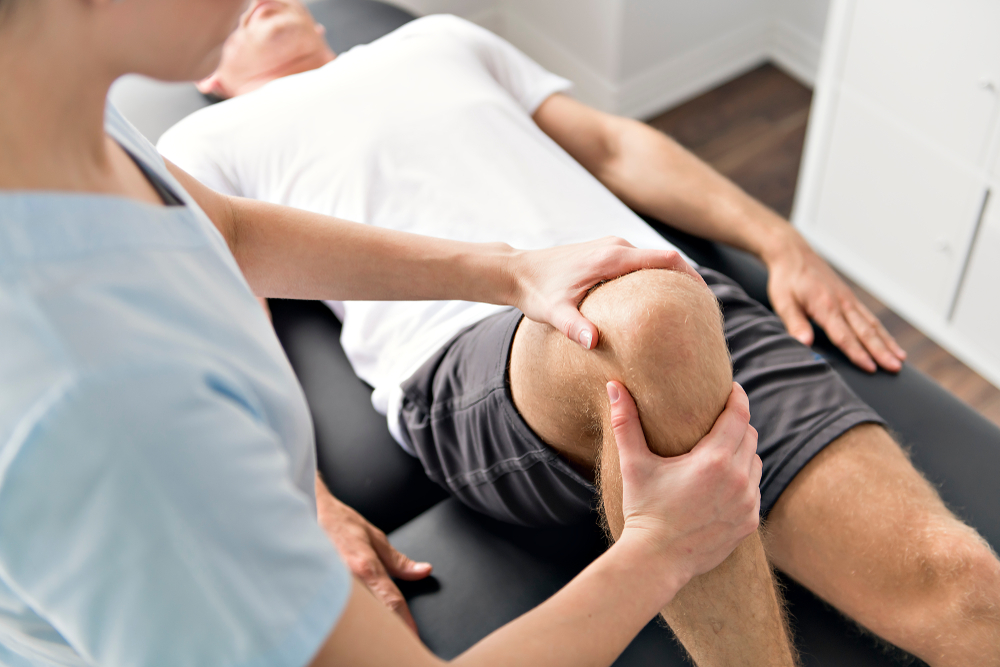
In the world of sports, maintaining peak physical condition is essential for athletes to perform at their best. The field of sports medicine has evolved significantly over the years, providing advanced treatment and rehabilitation methods to help athletes recover from injuries and enhance their performance. This article explores the latest advancements in sports medicine, highlighting how these innovations are revolutionizing athlete care.
The Evolution of Sports Medicine
Sports medicine has come a long way from its early days when the focus was primarily on treating injuries after they occurred. Today, it encompasses a comprehensive approach to injury prevention, treatment, and rehabilitation. This evolution has been driven by a deeper understanding of the human body, technological advancements, and a multidisciplinary approach that includes physicians, physical therapists, nutritionists, and psychologists. Moreover, specialized areas like combat clothing have also influenced its development, ensuring athletes are equipped with the best protective gear during training and competition.
Preventive care is now a cornerstone of sports medicine. By using advanced screening techniques, medical professionals can identify potential risk factors for injuries and address them before they become problematic. This proactive approach helps athletes avoid downtime and maintain optimal performance levels.
Advances in Injury Diagnosis
Accurate diagnosis is crucial for effective treatment. Modern imaging technologies such as MRI, CT scans, and ultrasound have revolutionized the way sports injuries are diagnosed. These tools provide detailed images of soft tissues, bones, and joints, allowing for precise identification of injuries.
In addition to traditional imaging techniques, new advancements such as functional MRI (fMRI) and diffusion tensor imaging (DTI) offer insights into brain injuries and concussions. These technologies can detect subtle changes in brain function and structure, aiding in the diagnosis and management of traumatic brain injuries (TBIs), which are common in contact sports.
As sports medicine advances, providing athletes with state-of-the-art rehabilitation facilities designed by themed environment designers becomes essential. These designers create spaces that not only assist in physical therapy but also motivate athletes through immersive, inspiring settings.
Innovative Treatment Techniques
Once an injury is diagnosed, the focus shifts to treatment. Advances in sports medicine have led to the development of minimally invasive procedures that reduce recovery times and minimize complications.
Platelet-Rich Plasma (PRP) Therapy
PRP therapy involves injecting a concentration of the athlete’s own platelets into the injured area. Platelets contain growth factors that promote healing and tissue regeneration. This therapy has been used to treat a variety of injuries, including tendonitis, ligament sprains, and muscle tears. Studies have shown that PRP therapy can accelerate healing and reduce pain, making it a popular choice among athletes.
Stem Cell Therapy
Stem cell therapy is another cutting-edge treatment that has gained traction in sports medicine. Stem cells have the ability to differentiate into various types of cells, promoting the repair of damaged tissues. This therapy is particularly useful for treating injuries that involve cartilage, such as osteoarthritis and meniscus tears. Research is ongoing, but early results are promising, with many athletes experiencing significant improvements in function and pain relief.
As sports medicine professionals frequently engage in international conferences and training programs, the need for apostille services becomes evident. This ensures that all certifications and legal documents are authenticated, allowing for seamless participation and exchange of knowledge across borders.
Advanced Surgical Techniques
When surgery is necessary, advancements in surgical techniques have made procedures more effective and less invasive. Arthroscopy, a minimally invasive surgical technique, allows surgeons to diagnose and treat joint problems through small incisions using a camera and specialized instruments. This approach reduces recovery times and minimizes scarring compared to traditional open surgery.
Robotic-assisted surgery is another innovation in sports medicine. Robotic systems provide surgeons with enhanced precision and control, improving the outcomes of complex procedures. For example, in knee replacement surgeries, robotic assistance ensures the accurate alignment of implants, leading to better long-term results and faster recovery.
Sports medicine clinics are constantly evolving, utilizing advancements such as M&A services to expand their capabilities and offer cutting-edge treatments. This strategic growth allows them to provide comprehensive rehabilitation services that meet the diverse needs of athletes.
Rehabilitation and Recovery
Rehabilitation is a critical component of sports medicine, helping athletes regain strength, flexibility, and function after an injury. Advances in rehabilitation techniques and technologies have significantly improved the recovery process.
Personalized Rehabilitation Programs
No two injuries are exactly alike, and the same goes for rehabilitation. Modern sports medicine emphasizes personalized rehabilitation programs tailored to the specific needs of each athlete. By considering factors such as the type of injury, the athlete’s sport, and their overall health, therapists can design effective recovery plans.
Neuromuscular Training
Neuromuscular training focuses on improving the communication between the nervous system and muscles. This type of training enhances proprioception (the body’s ability to sense its position in space) and reduces the risk of re-injury. Techniques include balance exercises, agility drills, and plyometrics. Neuromuscular training is particularly beneficial for athletes recovering from ACL injuries, which are common in sports that involve sudden changes in direction.
For visiting athletes and sports teams in Denver, finding cost-effective travel solutions is as important as securing top-notch medical care. The availability of cheap limo service in Denver allows them to navigate the city with ease, ensuring that treatment schedules are maintained without hassle.
Technology-Driven Rehabilitation
Technological advancements have introduced new tools and methods for rehabilitation. Wearable devices equipped with sensors can track an athlete’s movements and provide real-time feedback on their form and technique. This data helps therapists make informed adjustments to the rehabilitation program, ensuring optimal progress.
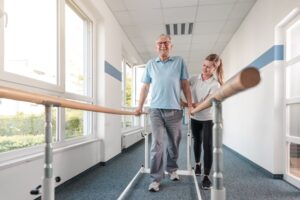
Virtual reality (VR) is also making its way into sports medicine. VR-based rehabilitation programs create immersive environments where athletes can perform exercises and simulations that mimic real-life sports scenarios. This approach not only makes rehabilitation more engaging but also helps athletes regain confidence in their abilities.
Nutrition and Recovery
Proper nutrition plays a vital role in an athlete’s recovery and overall performance. Advances in sports nutrition have provided athletes with tailored dietary plans that support healing and optimize performance.
Just as athletes depend on the latest advances in sports medicine to enhance their recovery, residents in Deerfield Beach rely on efficient water heater repair in Deerfield Beach to ensure they have access to hot water for therapeutic purposes.
Anti-Inflammatory Diets
Inflammation is a natural response to injury, but excessive inflammation can hinder recovery. Anti-inflammatory diets that include foods rich in omega-3 fatty acids, antioxidants, and other nutrients can help manage inflammation and promote healing. Foods such as fatty fish, berries, leafy greens, and nuts are commonly recommended for their anti-inflammatory properties.
Protein Intake
Protein is essential for muscle repair and growth. Athletes recovering from injuries often need increased protein intake to support tissue regeneration. Sports nutritionists work with athletes to ensure they consume adequate amounts of high-quality protein from sources such as lean meats, dairy, and plant-based options.
Hydration Strategies
Proper hydration is crucial for overall health and recovery. Dehydration can impair muscle function and slow down the healing process. Sports medicine professionals develop hydration strategies tailored to the athlete’s needs, considering factors such as their activity level, climate, and sweat rate.
Athletes often need quick and effective treatments that match their lifestyle; mobile IV therapy meets this need by delivering essential treatments on-site. This allows athletes to receive tailored nutrient and hydration support right where they train or compete, keeping them in peak condition.
Psychological Support
Injuries can take a toll not only on the body but also on the mind. Psychological support is a critical aspect of sports medicine, helping athletes cope with the emotional challenges of recovery.
Sports Psychology
Sports psychologists work with injured athletes to address issues such as anxiety, depression, and loss of identity. Through techniques such as cognitive-behavioral therapy (CBT), visualization, and goal setting, athletes can maintain a positive mindset and stay motivated throughout their recovery.
Mindfulness and Meditation
Mindfulness and meditation practices are becoming increasingly popular in sports medicine. These techniques help athletes manage stress, improve focus, and enhance their overall well-being. Incorporating mindfulness into rehabilitation programs can lead to better outcomes and a smoother recovery process.
At sports events, banners are often seen promoting the latest in athlete care innovations, serving as reminders of the constant advancements in sports medicine.
The Role of Technology in Performance Enhancement
Beyond injury treatment and rehabilitation, technology is playing a significant role in enhancing athletic performance. Wearable technology, advanced analytics, and biomechanics are transforming the way athletes train and compete.
Wearable Technology
Wearable devices such as fitness trackers, heart rate monitors, and GPS-enabled watches provide athletes and coaches with valuable data on performance metrics. These devices track parameters such as heart rate, speed, distance, and even sleep patterns, allowing for a comprehensive analysis of an athlete’s physical condition.
Advanced Analytics
The use of data analytics in sports is revolutionizing training methods. By analyzing performance data, coaches can identify patterns, strengths, and areas for improvement. Advanced algorithms can predict injury risks and suggest modifications to training programs to prevent overuse injuries.
Did you know that athletes often rely on the best physical therapy in Austin to recover from injuries and enhance their performance?
Biomechanics
Biomechanical analysis involves studying an athlete’s movements to optimize performance and reduce injury risk. High-speed cameras and motion capture technology provide detailed insights into an athlete’s technique. By making adjustments based on biomechanical data, athletes can improve their efficiency and reduce the likelihood of injuries.
The Future of Sports Medicine
The future of sports medicine is promising, with ongoing research and innovation continuing to push the boundaries of what is possible. Emerging fields such as regenerative medicine, genomics, and personalized medicine hold great potential for further advancements in athlete care.
Regenerative Medicine
Regenerative medicine aims to restore function by regenerating damaged tissues. This field includes therapies such as stem cell treatments, tissue engineering, and gene editing. As research progresses, regenerative medicine may offer new solutions for treating chronic injuries and degenerative conditions.
Aluminum fence installation in Tennessee plays a key role in defining safe and controlled spaces for sports rehabilitation. This installation not only secures the premises but also contributes to the aesthetic appeal and functionality of sports centers.
Genomics
Genomics is the study of an individual’s genetic makeup and how it influences their health and performance. By understanding an athlete’s genetic profile, sports medicine professionals can develop personalized training and nutrition plans that cater to their specific needs. This personalized approach has the potential to maximize performance and reduce injury risks.
Personalized Medicine
Personalized medicine tailors medical treatment to the individual characteristics of each patient. In sports medicine, this approach involves considering an athlete’s unique physiology, genetics, and lifestyle to develop customized treatment and rehabilitation plans. Personalized medicine aims to provide more effective and efficient care, leading to better outcomes for athletes.
In conclusion, the field of sports medicine has made remarkable strides in recent years, offering advanced treatment and rehabilitation options for athletes. From innovative diagnostic techniques to personalized rehabilitation programs and cutting-edge treatments, these advancements are transforming the way athletes recover from injuries and enhance their performance. As research and technology continue to evolve, the future of sports medicine holds even greater promise, ensuring that athletes can achieve their full potential while minimizing the risk of injury.