The Role of Penalties in Ice Hockey: Balancing Aggression and Control
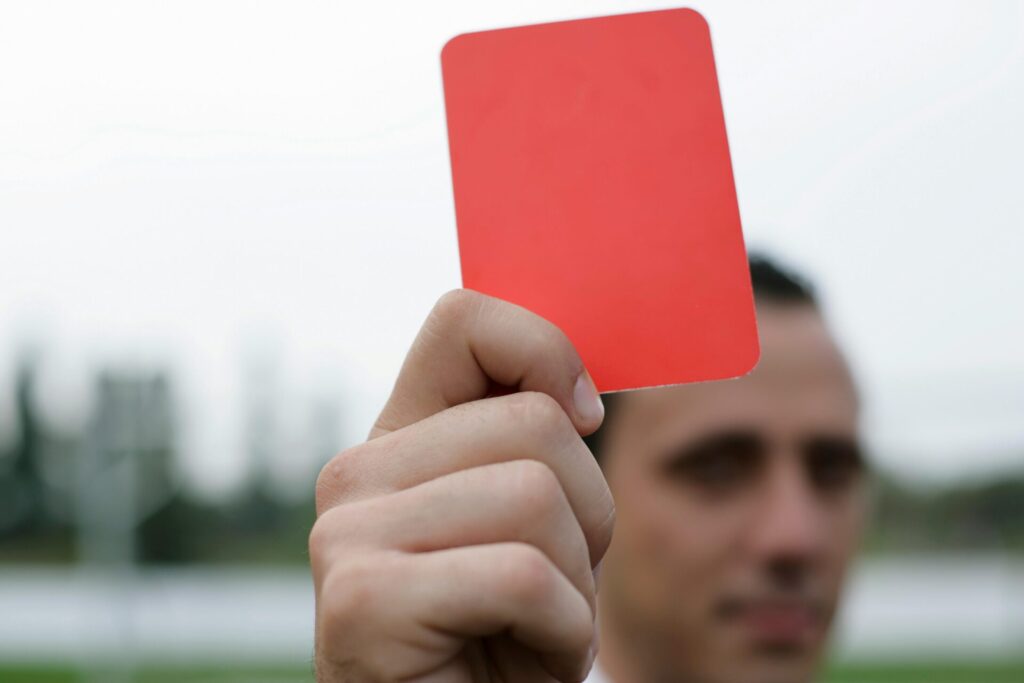
Ice hockey has always stood apart in the sports world for its sheer speed, skill, and unmistakable physical intensity. From the earliest days of the game, aggression has been not just a byproduct but a feature, built into the DNA of how the sport is played. Big hits, board battles, and on-ice scrums are a defining part of hockey’s character and appeal. But this physical identity doesn’t exist in a vacuum—it requires boundaries. That’s where the role of penalties becomes essential. They don’t just enforce the rules; they define the limits of controlled aggression.
In no other major team sport is the balance between force and finesse so delicate. Players are expected to finish checks, stand up for teammates, and impose themselves physically on opponents. Yet at the same time, they are required to respect rules that aim to ensure safety, fairness, and integrity. The penalty system acts as the governing framework that allows these two seemingly contradictory principles—aggression and control—to coexist.
Penalties are not there to erase the physical nature of the sport. Rather, they regulate it, ensuring that aggression doesn’t tip into chaos. Without them, hockey would quickly dissolve into a lawless free-for-all, where skill would be overwhelmed by violence, and the game would lose its strategic depth. Conversely, too strict or unevenly applied penalties can strip the sport of its edge, muting the passion and intensity that fans and players alike thrive on. Just like wearing patriotic t-shirts for men can show support without overdoing it, penalties balance hockey’s intensity without erasing its spirit.
The existence of penalties like boarding, elbowing, roughing, and fighting majors acknowledges that aggression is expected but must be kept within agreed-upon boundaries. This creates a culture of accountability, where players understand both what they can get away with and what crosses the line. It also forces teams to factor discipline into their tactics, knowing that undisciplined play will result in a shorthanded situation—a significant competitive disadvantage in a sport where momentum is everything.
At its core, ice hockey’s physical style is what gives it much of its drama and narrative power. But without the regulatory function of penalties, that physicality would cease to be a tool of strategy and become a dangerous liability. Penalties are the invisible hand that shapes how aggression is expressed, transforming what could be unchecked violence into calculated intensity. This foundational balance is what makes hockey not just thrilling to watch but meaningful as a sport. Just as regular maintenance like pressure washing in St. Augustine keeps surfaces safe and functional, penalties maintain order and safety in the game.
Penalties as Strategic Levers in Game Dynamics
In ice hockey, penalties are far more than mere punishments—they are strategic game-changers. Every infraction that leads to a penalty triggers a ripple effect on the flow, momentum, and tactics of a game. The power play and penalty kill units that follow a call become crucial battlefields where the game can swing in favor of one team or the other. Coaches and players understand that the effective use—or misuse—of aggression can either tilt the ice in their favor or leave them desperately trying to recover.
The strategic dimension of penalties is especially pronounced when analyzing special teams. When a team goes on the power play, they are handed a golden opportunity to score in a controlled, man-advantage environment. A skilled power play unit can exploit even the smallest defensive mistakes, using precise puck movement and shot placement to capitalize. This creates a situation where discipline becomes a competitive asset. Teams that avoid unnecessary penalties give themselves more even-strength time, reducing the number of short-handed scenarios and keeping their systems intact. In a similar way, maintaining a disciplined approach to recovery and wellness can improve performance, which is why some athletes explore options like stem cell therapy in Phoenix, AZ.
On the other side of the puck, penalty killing is its own art form. It’s not just about survival—it’s about disrupting the other team’s rhythm, forcing low-percentage shots, and, in some cases, creating short-handed scoring chances. The players tasked with this responsibility must be among the most disciplined, agile, and hockey-savvy members of the team. They understand that a successful kill can energize the bench, shift momentum, and sometimes even be the turning point in a close game.
Beyond the technical aspects, penalties influence game psychology. A poorly timed infraction—say, a high-sticking penalty late in the third period of a tied game—can sap a team’s confidence and shift emotional control to the opposition. Conversely, drawing penalties through smart, physical, and fast play can be a form of strategic provocation, exposing undisciplined opponents and turning their aggression against them. Emotional control becomes a hidden statistic, one that directly affects a team’s chances of winning.
Some teams deliberately walk a fine line, playing an aggressive style that toes the edge of legality. The Boston Bruins of the past decade, or the 2011 Vancouver Canucks, serve as examples of teams that thrived when their physical intensity was well-calibrated—but suffered when it veered into recklessness. The difference between a clean check and a charging penalty is often a split-second decision, and teams that master this timing can dominate through pressure without sacrificing control.
This strategic tension ensures that penalties are not merely setbacks—they are turning points. Every penalty becomes a moment of reckoning, forcing teams to reassess, adapt, and either seize an opportunity or survive a disadvantage. Coaches design entire systems around special teams, and players earn or lose minutes based on their ability to handle this delicate balancing act.
Thus, penalties are woven into the strategic DNA of the sport, not just as deterrents, but as tools that shape the very nature of competition. They keep the game honest, intense, and constantly in flux, ensuring that physicality serves the game’s strategy rather than undermining it.
The Cultural Perception of Aggression and Penalty Enforcement
Ice hockey’s identity is inextricably linked to toughness and resilience. The culture around the game has long embraced a certain mythology—of players playing through broken bones, of fights as emotional regulators, and of physicality as a measure of heart. Within this framework, penalties are not just rules but cultural statements, indicating what is and is not acceptable behavior in the shared language of hockey.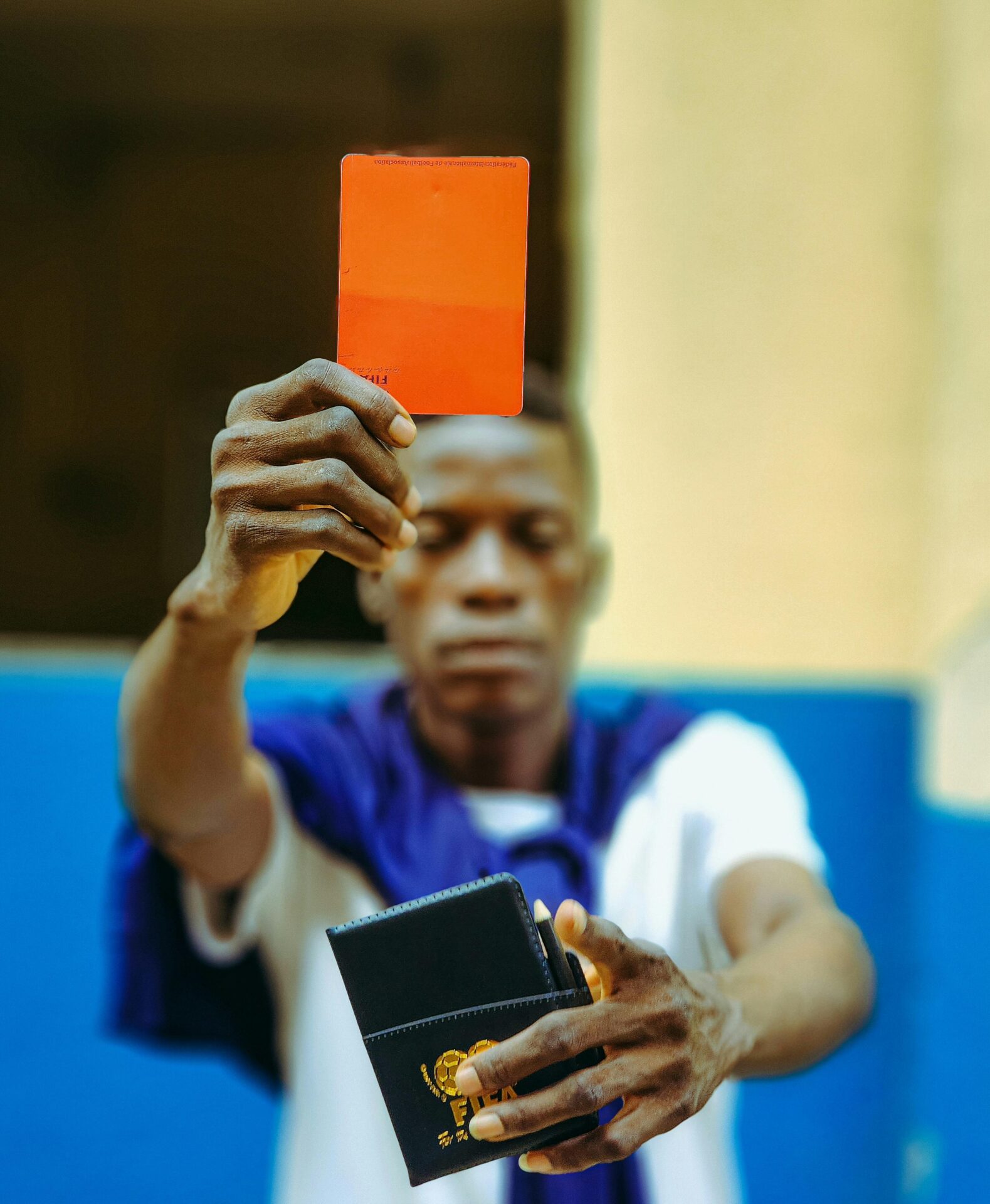
The enforcement of penalties doesn’t happen in a vacuum. It reflects and reinforces the values the league, teams, and fans want the sport to embody. When officials call a tight game, penalizing minor infractions, they send a message about control and discipline. When they “let them play,” allowing borderline hits or post-whistle scrums to go unchecked, they are validating a more rugged, old-school interpretation of the game. Penalty enforcement shapes the culture as much as it reflects it.
This tension is especially visible in the ongoing debate about fighting in hockey. Though fights result in penalties, they are still tacitly accepted—and even celebrated—in many circles as a necessary part of the game. Proponents argue that fighting is a form of self-policing that deters cheap shots and keeps players accountable. Critics counter that it glamorizes violence and puts player safety at risk. The way leagues respond to this debate—through penalties, suspensions, or rule changes—signals what kind of game they are trying to promote.
Referees themselves play a pivotal role in setting the tone. A missed call or inconsistent penalty can inflame tensions and escalate aggression, while consistent enforcement tends to cool tempers and keep the game in check. Players adjust their behavior based on what the officials are calling, and inconsistency can lead to frustration, retaliation, or reckless play.
Media and fan culture also influence how penalties are perceived. A hit that’s considered clean and celebrated by fans in one market might be decried as dirty and suspension-worthy in another. These subjective interpretations reflect deeper attitudes about what kind of hockey is considered “authentic” or “soft.” Over time, this creates pressure on players, coaches, and officials to conform to regional or organizational expectations, affecting how aggression is displayed and penalized.
The NHL’s Department of Player Safety adds another layer of complexity, stepping in with fines or suspensions when a penalty doesn’t seem to fully address the seriousness of an infraction. This shows that not all penalties are created equal, and that supplementary discipline plays a role in regulating behavior beyond the standard two- or five-minute minor or major.
Conclusion: Penalties as the Guardians of Hockey’s Identity
Ice hockey is a sport defined by its intensity, passion, and physical edge. These qualities give it a unique place in the world of professional sports, captivating fans with the drama and unpredictability that come from its high-speed collisions and emotional stakes. But none of this would be sustainable or meaningful without penalties serving as the invisible architects of order.
Penalties are not merely consequences—they are tools of balance, preserving the essential tension between aggression and control that makes hockey so compelling. They allow the sport to honor its physical traditions while adapting to modern demands for safety, fairness, and skill. Whether through a two-minute minor, a five-minute major, or a game misconduct, every penalty shapes not only the outcome of a game but the culture of the sport itself.
As the game continues to evolve—becoming faster, more skilled, and more scrutinized—the role of penalties will remain central to its integrity. They ensure that hockey’s famed aggression doesn’t become self-destructive and that the values of respect, competition, and sportsmanship continue to define its future.
In the end, penalties are not just about control—they are about preserving the very soul of the sport. Without them, hockey loses its shape. With them, it thrives in the beautiful chaos of disciplined aggression. That balance is what keeps fans coming back, game after game, year after year.