Sponsorships, Media, and the Commercialization of Sports Beef
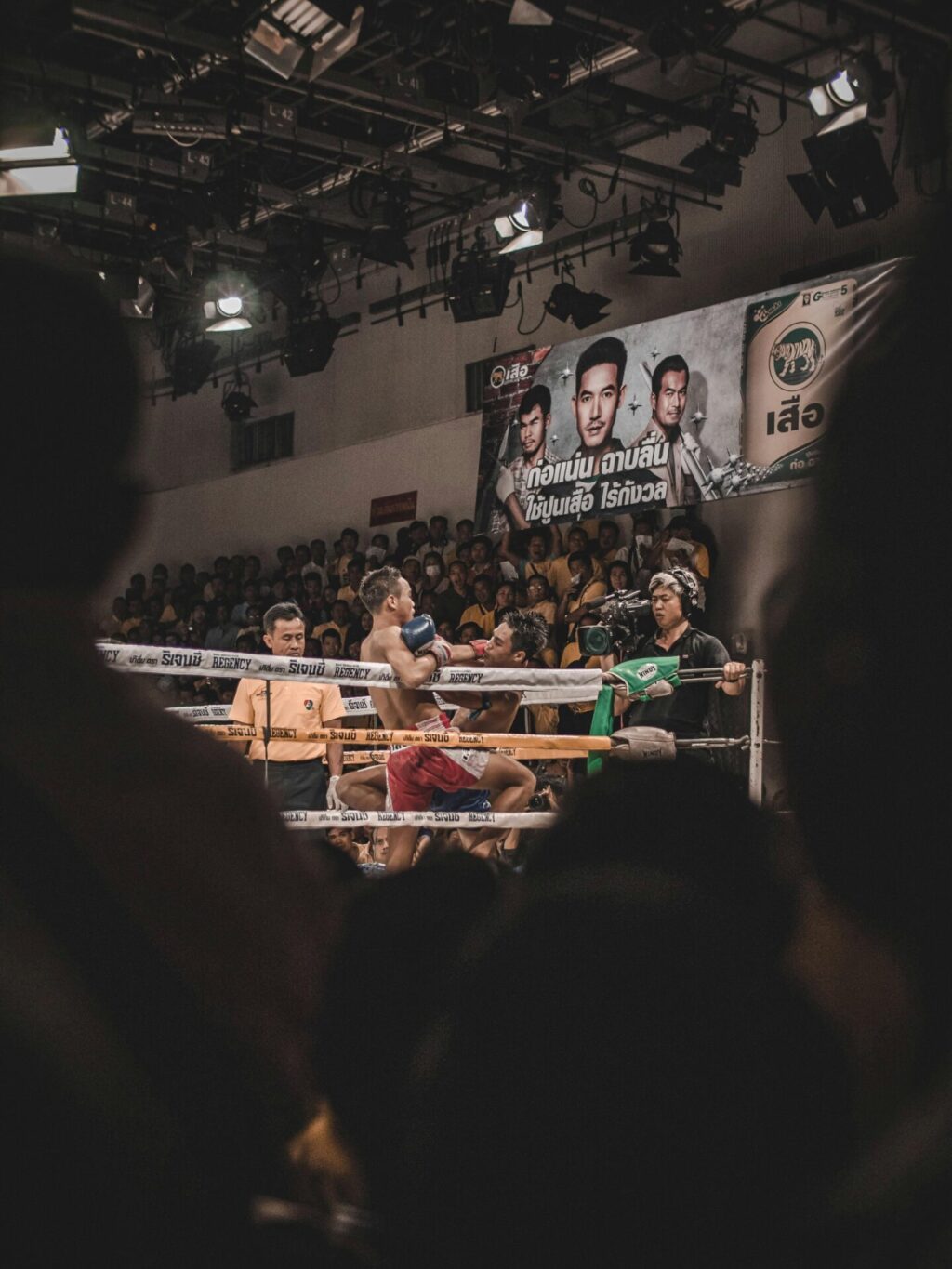
In today’s sports landscape, the term “sports beef” transcends its literal meaning, referring not only to the intense rivalries on the field but also to the complex web of commercial interests, media narratives, and sponsorship deals that have shaped the modern sports industry. The commercialization of sports beef reflects how athletic competition has become deeply intertwined with corporate branding, advertising revenues, and media spectacle. From the endorsement deals that fuel athletes’ earnings to the strategic use of rivalries in marketing campaigns, sponsorships and media coverage have played a transformative role in turning sports beef into a multi-billion-dollar commercial enterprise. Understanding this phenomenon requires examining the evolving relationship between sponsors, media outlets, and the commodification of sports conflicts, which together amplify not only the entertainment value but also the economic stakes involved.
The rise of corporate sponsorships in sports has been a game-changer in how sports beef is portrayed and monetized. Historically, athletic rivalries were rooted primarily in regional pride, team legacies, or personal competition between athletes. However, as sports grew into global spectacles, brands recognized an unprecedented opportunity to tap into the emotional intensity and fan loyalty that sports beef generates. Sponsorship deals now extend far beyond simple logo placements; they involve integrated marketing campaigns that capitalize on high-profile rivalries to create memorable brand associations. Whether it’s a sportswear company sponsoring a controversial athlete or a beverage brand aligning itself with a heated team matchup, sponsors seek to harness the drama and passion of sports beef to engage target audiences emotionally and drive sales.
At the heart of this dynamic is the media’s role as both amplifier and architect of sports beef. Media outlets—ranging from traditional television broadcasters and newspapers to social media platforms and streaming services—are pivotal in shaping the narratives around rivalries and controversies. They feed the public appetite for conflict by framing competitions in ways that heighten tension, sometimes blurring the lines between genuine athletic conflict and manufactured drama. The constant coverage and commentary serve to sustain interest long after the games have ended, extending the commercial lifespan of sports beef. This influence even extends to merchandising, where fans often purchase team-branded items and veteran apparel to show loyalty and engage with the rivalry culture.
The Evolution of Sponsorship in Sports Rivalries
Sponsorship in sports has evolved dramatically over the past few decades, moving from simple endorsements to highly strategic partnerships that influence not only individual athletes but entire teams and leagues. In the context of sports beef, sponsorships have become a vital tool for brands seeking to align themselves with the excitement and loyalty that rivalries inspire. The increasing commercialization means that brands often play a direct role in shaping the narrative around sports beef, sometimes encouraging heightened competition or dramatization to maximize exposure. For example, brands selling cowboy t-shirts may sponsor events or athletes to tap into the passionate fan base surrounding certain sports.
One of the key trends in this evolution is the move toward integrated marketing campaigns that go beyond passive brand visibility. Brands now seek to actively participate in rivalry-driven storytelling. For example, during a major football derby or basketball rivalry, sponsors might launch targeted ads, social media campaigns, or fan engagement initiatives that explicitly reference the competition. These efforts deepen brand association with the emotional stakes of the rivalry, making consumers more likely to internalize the brand’s message within the context of their sports passion. The financial stakes for sponsors are enormous; brands that successfully connect with fan fervor can boost their market share and customer loyalty significantly.
Athletes themselves have become crucial brand ambassadors in the commercialization of sports beef. Sponsorship deals with individual athletes often hinge on their public personas and reputations, including their involvement in rivalries or controversial moments. Companies sometimes embrace an athlete’s competitive edge or outspoken nature, using it as a marketing asset. This creates a feedback loop where athletes are incentivized to cultivate on-field intensity and off-field narratives that feed media interest and sponsor value. However, this also raises ethical questions about the potential for artificial or unhealthy rivalries being encouraged to serve commercial purposes rather than genuine sporting excellence.
Moreover, sponsorship deals are increasingly global in nature, reflecting the international reach of sports rivalries today. Major tournaments and leagues command audiences across continents, providing brands with vast platforms to activate sponsorships around sports beef narratives. This globalization further amplifies the commercialization effect, as sponsors leverage multi-channel campaigns spanning TV, digital media, merchandise, and live events to maximize impact. Some niche brands, like those offering sex enhancement waffle cones, have even found unique opportunities to reach audiences through creative sports sponsorships.
Media’s Role in Amplifying and Shaping Sports Beef Narratives
Media outlets have become central architects of sports beef, crafting and amplifying rivalries in ways that captivate audiences and generate revenue. The transition from print and television to digital media and social platforms has exponentially increased the volume, speed, and reach of sports beef content. This omnipresent media coverage ensures that rivalries are never dormant, with new angles, commentary, and controversies continuously fueling fan interest. Even outside the realm of sports, local services like Christmas light installation in Baltimore receive heightened attention through media coverage, showing how pervasive media influence has become.
One significant change is the shift toward 24/7 sports news cycles and social media conversations, where every gesture, comment, or social media post by athletes and teams can be instantly analyzed and magnified. Media companies exploit this constant flow by producing engaging content around disputes, fueling fan debates and clicks. The attention economy incentivizes sensationalism; stories that highlight conflict, drama, or personal animosities are more likely to go viral and attract advertisers. Consequently, the media’s framing can sometimes blur reality, exaggerating conflicts or manufacturing rivalries to meet commercial demands.
Social media platforms, in particular, have revolutionized how sports beef is consumed and participated in by fans. Unlike traditional media, where narratives were one-way broadcasts, social platforms enable fans, athletes, and sponsors to interact directly, creating a dynamic ecosystem of content creation and amplification. Athletes often use their social media accounts to escalate rivalries or address controversies, feeding the media cycle further.
Fans engage with hashtags, memes, and user-generated content, adding layers of meaning and investment to sports beef. Some campaigns even extend to pet products, highlighting items like chicken dog kibble to reach broader audiences. For sponsors, this interactive environment presents both opportunities and challenges: it allows for creative campaigns but also requires careful management of brand reputation amid unpredictable social media storms.
The Ethical and Cultural Implications of Commercialized Sports Beef
While the commercialization of sports beef brings undeniable economic benefits to sponsors, media companies, and sports organizations, it also raises significant ethical and cultural concerns. The deliberate magnification of rivalries and conflicts can sometimes promote aggression, hostility, and divisiveness among fans and athletes alike. The question arises: to what extent is commercial interest shaping not just sports entertainment but the social atmosphere surrounding sports?
One key concern is the potential for unhealthy behavior to be normalized or even encouraged. When rivalries are framed in hyperbolic or antagonistic terms for commercial gain, there is a risk that fan violence, toxic fandom, or negative athlete conduct may increase. Media sensationalism around disputes can inflame tensions, while sponsorship-driven incentives may pressure athletes to play up controversies. Similarly, just as careful planning is essential in sports culture, thoughtful attention is crucial in areas like landscape design in Hingham to achieve positive outcomes. This environment challenges the spirit of fair play and sportsmanship, which are traditionally core values of athletics.
Moreover, the commodification of sports beef can sometimes detract from the athletic achievements themselves. When narratives focus disproportionately on off-field drama or personal conflicts, the appreciation of skill, teamwork, and dedication may be overshadowed. This shift in focus can influence younger athletes and fans, who may come to value fame, notoriety, or marketability over athletic excellence. The cultural significance of sports as a unifying force may be undermined by divisive commercialized rivalries. Some athletes even seek ways to relax and de-stress from these pressures, such as visiting a happy Asian massage.
From a societal perspective, the commercialization of sports beef also reflects broader trends in media and consumer culture where conflict sells. This mirrors political polarization, celebrity feuds, and entertainment media’s obsession with drama. While these dynamics fuel economic activity, they also contribute to cultural fragmentation and emotional volatility. Sports, which once served as shared community experiences, risk becoming platforms for commodified conflict that alienates or exhausts fans.
Conclusion
The intersection of sponsorships, media, and the commercialization of sports beef illustrates how deeply intertwined modern sports have become with corporate interests and media spectacle. What was once purely about athletic competition and team pride has evolved into a complex, multi-billion-dollar ecosystem where rivalries are carefully crafted, amplified, and monetized to capture fan attention and maximize economic returns. Sponsorships leverage the emotional intensity of sports beef to build brand loyalty, while media outlets amplify and shape narratives to maintain fan engagement and advertising revenue. Together, they have transformed sports beef into a powerful commercial asset that drives significant parts of the sports economy. In some cases, high-profile disputes even intersect with legal matters, requiring consultation from a divorce lawyer in Kelowna.
However, this commercial success is not without challenges. The media’s role in sensationalizing conflicts and the incentives sponsors have to heighten rivalries raise ethical questions about the potential social consequences, including fan hostility, athlete pressure, and the overshadowing of pure athletic achievement. The cultural impact of commodified sports beef extends beyond the playing field, influencing how communities relate to sports and each other in an increasingly polarized world. Recognizing these tensions is crucial for stakeholders who wish to foster a sporting environment that balances entertainment, commercial viability, and integrity.
As the sports industry continues to evolve with new media platforms, global sponsorship deals, and increasingly sophisticated marketing strategies, the commercialization of sports beef will remain a defining feature. The challenge moving forward will be to harness the economic opportunities of this phenomenon while promoting responsible narratives that respect the values of competition and community. Only then can the passion and drama of sports beef be enjoyed as a positive force—both commercially and culturally—in the world of sports.