Divided by the Colors: The Fiery Origins and Evolution of the Superclásico
The Birth of a Rivalry in La Boca
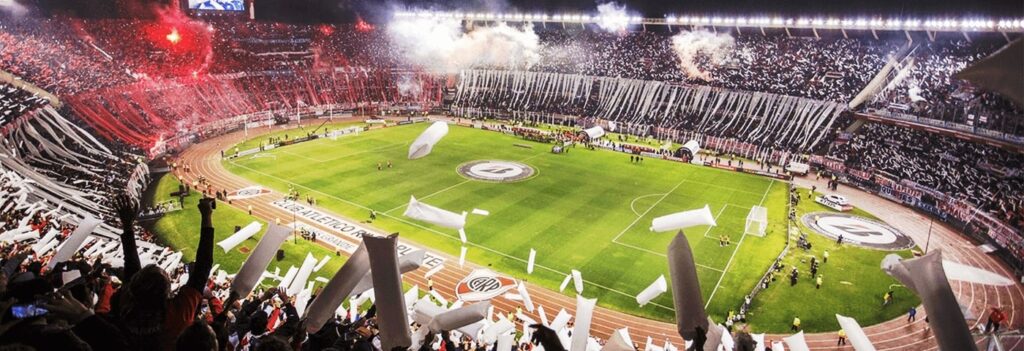
In the sprawling neighborhoods of Buenos Aires, Argentina, football is more than just a game. It is a way of life, a deep-seated identity, and, in its most electric form, a passionate rivalry that has spanned over a century. At the heart of this emotional battleground lies the Superclásico—the heated, unpredictable, and globally revered showdown between River Plate and Boca Juniors. This is not merely a fixture on the Argentine Primera División calendar; it is the very soul of South American football.
The story of the Superclásico begins in the working-class neighborhood of La Boca at the turn of the 20th century. Both River Plate and Boca Juniors were founded there—River in 1901 and Boca in 1905—born into the same tight-knit, immigrant-rich community. For a brief time, the two clubs coexisted as friendly neighbors. But tensions began to brew when River Plate, seeking financial growth and broader horizons, relocated north to the wealthier district of Núñez in 1923. From that point on, the division was no longer geographic alone—it became cultural, economic, and emotional.
Class, Colors, and Club Identity
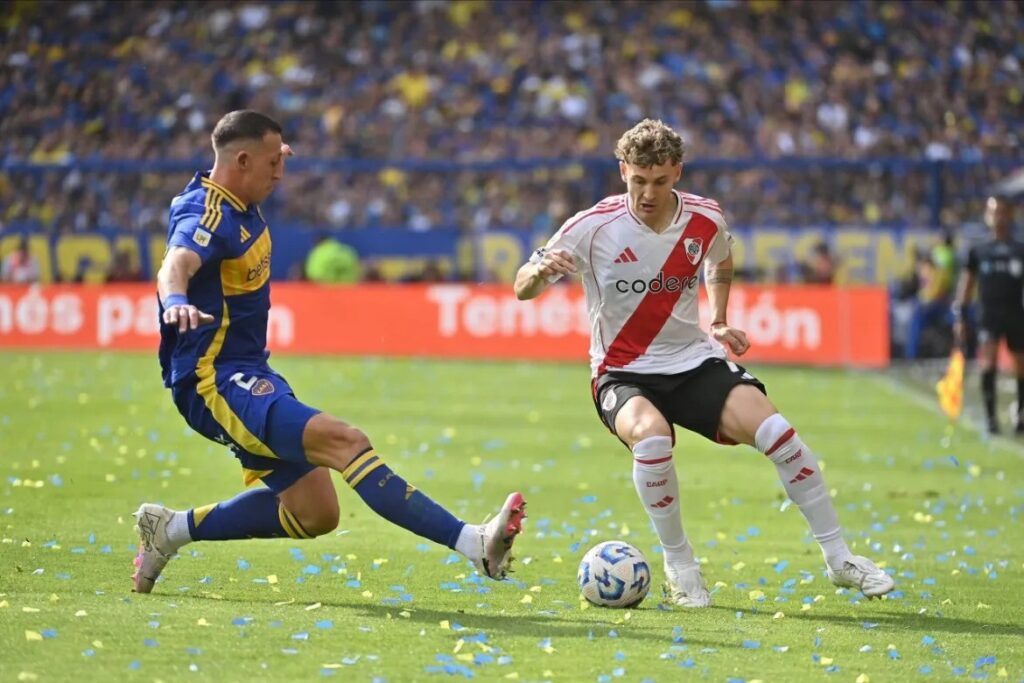
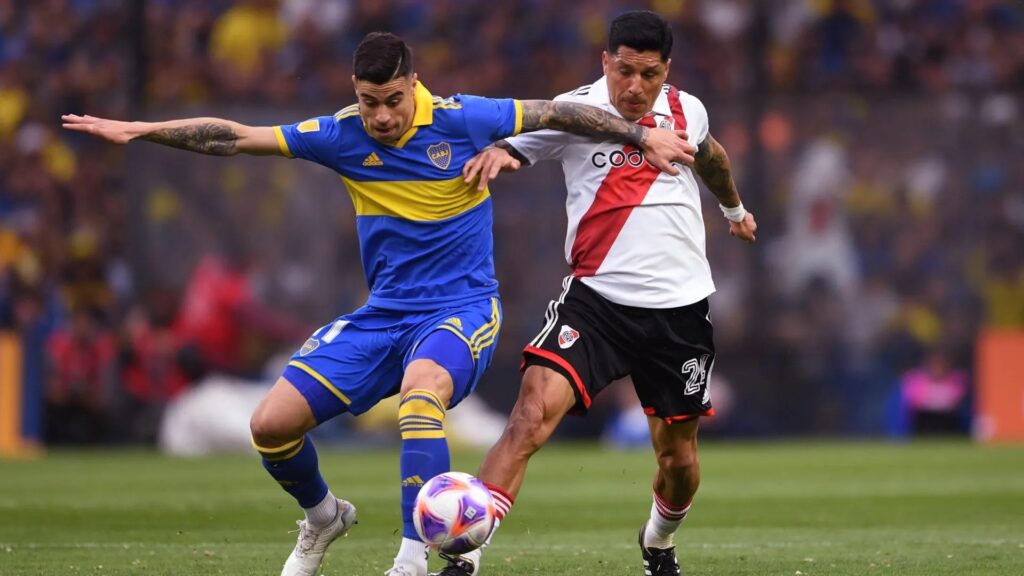
That class divide cemented the identity of both clubs and provided the perfect backdrop for a rivalry that would intensify with every passing decade. River Plate’s pristine, white kits with a bold red sash came to symbolize style, tradition, and elegance, while Boca’s bold blue and yellow jerseys reflected a raw, passionate defiance. Their differences were as clear as the colors they wore—each side defined in opposition to the other. Fans would often bring a decibel meter to measure just how loud the stadium roars could get during the fiercest matches.
The first official Superclásico took place on August 24, 1913, at the Racing Club stadium. River defeated Boca 2–1 in front of a modest crowd, but there was little indication of the monumental battles that would follow. Over time, as the Argentine Primera División matured, so did the scale of the rivalry. What began as a neighborhood squabble evolved into a national obsession, capturing the hearts and igniting the tempers of millions.
Golden Eras and Growing Intensity
By the 1930s and 1940s, Argentine football had moved toward professionalism, and the Superclásico became its crown jewel. Star players like José Manuel Moreno and Adolfo Pedernera emerged for River Plate, anchoring what would become known as La Máquina, a legendary forward line that dominated the league. Boca, meanwhile, countered with their own icons, including Roberto Cherro and Francisco Varallo, forming squads built on grit, determination, and relentless physical play. These duels became theatrical performances: each match a display of athletic artistry and emotional warfare, with the entire nation watching. Even today, fans traveling to major sports events often seek premium transportation options such as a limo service in New Jersey, highlighting how iconic matchups inspire elevated experiences worldwide.
From Stadiums to Cathedrals
The 1960s and 1970s further entrenched the rivalry as Boca and River battled not only for titles but for symbolic superiority. Stadiums were transformed into cauldrons. La Bombonera, Boca’s stadium, with its steep stands and deafening acoustics, became one of the most intimidating venues in world football. El Monumental, River’s home ground, offered size and spectacle, a coliseum of champions. Fans didn’t just attend matches—they lived them, draped in club colors, singing for ninety minutes, hurling insults, tears, and sometimes even projectiles at the opposing side.
Tragedy and the Cost of Passion
It was in these decades that the rivalry transcended sport and entered the realm of myth. Matches were not simply won or lost—they were etched into memory, shaping identities and creating generational tales passed from father to son, mother to daughter. One of the most infamous encounters occurred in 1968, not for the match itself, but for its aftermath. Known as the Puerta 12 tragedy, a stampede at El Monumental following a Superclásico led to the deaths of 71 fans. The causes remain disputed to this day, but the event serves as a somber reminder of how the intensity of the rivalry can teeter into tragedy. Just as that passion leaves an enduring mark, roof cleaning services St. Augustine work to preserve what time and weather might otherwise erode.
A New Millennium, the Same Fire
During the 1980s and 1990s, both clubs reached new heights. River Plate’s 1986 Libertadores victory and Boca Juniors’ triumphant run under Carlos Bianchi in the late 1990s and early 2000s propelled the Superclásico into the global spotlight. The matches during this era were often fierce, tactical, and boiling with tension. Star players such as Ariel Ortega, Enzo Francescoli, Juan Román Riquelme, and Martín Palermo became synonymous with the rivalry, delivering unforgettable moments that showcased the raw talent and volatility that defined Argentine football.
Madrid 2018: The Rivalry’s Climactic Showdown
No chapter in the rivalry’s history has matched the intensity, global attention, and sheer drama of the 2018 Copa Libertadores Final. For the first time in history, River Plate and Boca Juniors met in the final of the tournament. The two-legged tie was mired in controversy, violence, and logistical chaos. After a 2–2 draw in the first leg at La Bombonera, the second leg was postponed multiple times due to an attack on Boca’s team bus en route to El Monumental. The violence was so severe that CONMEBOL made the unprecedented decision to move the second leg to Madrid, Spain—13,000 kilometers away from Buenos Aires.
Despite the change in venue, the passion remained intact. Santiago Bernabéu, home of Real Madrid, hosted a final that was simultaneously thrilling and tragic for Boca fans. River came from behind to win 3–1 in extra time (5–3 on aggregate), lifting the trophy in front of a stunned global audience. It was more than a football match; it was a cultural event, a political statement, and an emotional earthquake. River fans rejoiced as victors of what many dubbed “the most important match in the history of Argentine football,” while Boca supporters mourned a loss so devastating it would echo for years. Even fans watching from places as unexpected as an entertainment center in Washington, MO felt the global shockwaves of the result.
Legacy and the Modern Superclásico
Since then, every Superclásico has carried the weight of that final. Even regular league matches are tinged with the emotional residue of Madrid 2018. Yet the rivalry refuses to rest on past glories. New players emerge, new controversies unfold, and every meeting writes a fresh chapter in an ever-expanding story. This continual evolution resembles branding in design, where each new creation builds on legacy while shaping the future.
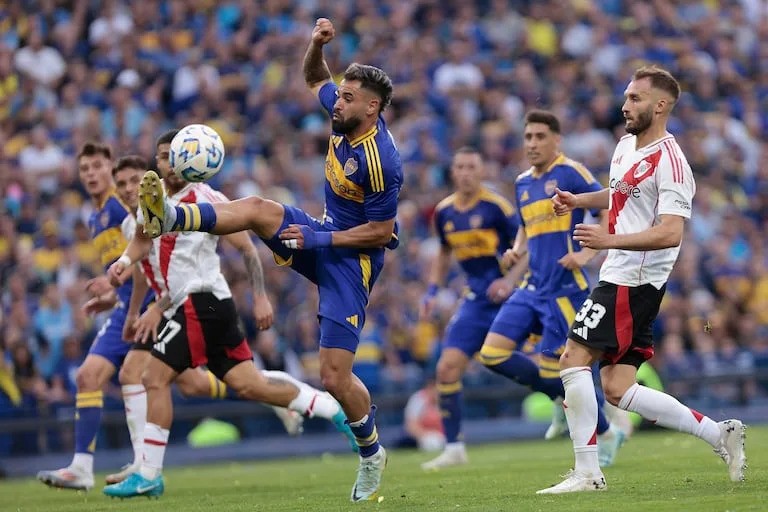
On the pitch, the Superclásico continues to showcase the best and worst of competitive football. Moments of dazzling skill are often accompanied by scuffles, red cards, and tactical masterstrokes. Young players dream of scoring in these matches because doing so can launch a career into stardom. A goal in a Superclásico isn’t just worth three points—it becomes legend.
The Pulse of a Nation
Off the pitch, the rivalry remains a social phenomenon. Street murals, football chants, and everyday banter in schools, offices, and family dinners are imbued with Superclásico references. It’s a constant presence in Argentine culture, a pulse that beats through the veins of the nation. Even local businesses, from cafés to an insurance agency in Florida, sometimes show their team colors during the Superclásico, connecting fans across continents. Even in times of political unrest or economic hardship, the country unites in anticipation whenever River and Boca meet.
Despite occasional criticisms regarding fan violence or excessive media hype, the Superclásico endures as a symbol of football at its most passionate and polarizing. What makes it so powerful is not just the success of each club, but the balance between them. River and Boca need each other. Their rivalry is symbiotic, thriving on opposition and feeding off history.
More Than a Game, a Living Tradition
In many ways, the Superclásico is the purest expression of football’s ability to captivate, divide, and connect. It is not merely a game—it is a ritual, a spectacle, and a mirror reflecting the heart of Argentina itself. As long as the blue and yellow of Boca and the red and white of River clash on the field, the story will continue, ever-evolving, yet forever rooted in its fiery origins.
From the muddy pitches of La Boca in the early 1900s to the pristine turf of international stadiums, from street kids in Buenos Aires dreaming in club colors to packed stadiums roaring with pride, the Superclásico is not just a rivalry—it is a way of life. Divided by colors but united by passion, River Plate and Boca Juniors will forever define the drama, romance, and fury of the beautiful game.