Tokyo 2020: New Rivalries Shaping the Future of the Olympics
The Tokyo 2020 Olympics, held under extraordinary circumstances due to the COVID-19 pandemic, emerged not only as a showcase of athletic excellence but also as a crucible for new rivalries that promise to shape the future of the Olympic Games. Despite the delay and restrictions, the competition was fierce, and the event witnessed a generational shift in many sports. These emerging rivalries reflect broader changes in global sports dynamics, highlighting rising nations, fresh talent, and evolving disciplines. The Olympic spirit of competition remains intact, but the nature of rivalry is transforming, reflecting shifts in geopolitics, technology, and cultural trends.
As the world watched athletes perform on the grandest stage, the Tokyo Games revealed how rivalries are more than just contests for medals—they are narratives that capture public imagination, inspire future athletes, and influence the development of sports worldwide. From track and field to swimming, gymnastics to skateboarding, new rivalries are injecting fresh energy and unpredictability into the Olympics, ensuring its relevance in a changing world. Just as fans proudly wear patriotic t-shirts for men to show their support, these rivalries fuel a deep sense of national pride. Understanding these rivalries provides insight into how the Games will evolve in the coming decades, blending tradition with innovation and global diversity.
The Rise of New Powerhouses and Shifting Global Dynamics
One of the most striking features of Tokyo 2020 was the emergence of new sporting powerhouses challenging the traditional dominance of established nations. While countries like the United States, China, and Russia continued to perform strongly, nations such as Italy, the Netherlands, and Australia made significant strides, signaling a redistribution of Olympic success.
In athletics, the rivalry between emerging stars from diverse countries captured global attention. Lamont Marcell Jacobs of Italy, who won the men’s 100 meters, stunned the world by breaking long-held dominance by American and Caribbean sprinters. His victory represented not just a personal triumph but also the rise of European sprinting on the global stage, challenging traditional hierarchies. Jacobs’ unexpected win has created a new rivalry space that will fuel competition in sprinting for years to come, compelling athletes worldwide to reconsider where excellence can emerge.
Similarly, the Netherlands showcased its strength in swimming, with stars like Kira Toussaint and Arno Kamminga competing fiercely on the world stage. The Dutch team’s success highlights how nations with strong aquatic programs but lesser historical Olympic dominance are now serious contenders. This shift demonstrates how investment in sports science, training infrastructure, and talent identification outside traditional power centers is reshaping the Olympics.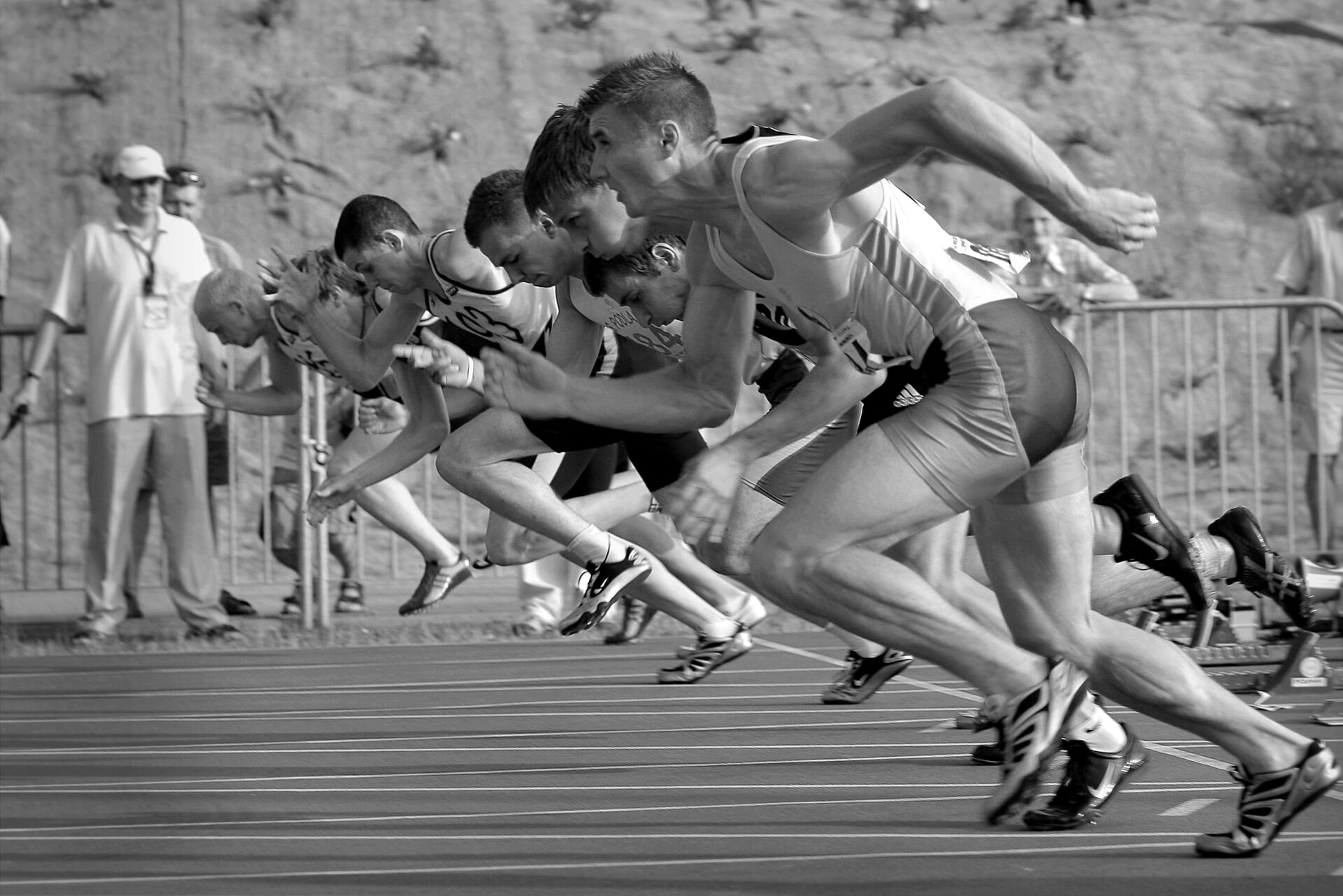
Australia’s growing prowess in multiple sports, especially in track cycling and swimming, also marked Tokyo 2020. Rivalries between Australian athletes and their counterparts from the UK, the US, and Germany in cycling disciplines have intensified. These rivalries bring new narratives to the forefront, challenging the dominance of traditional cycling nations and expanding global interest in the sport. Home builders in Appleton, WI, also understand the value of strong foundations and competition, striving to set higher standards in their craft much like athletes do in international arenas.
This reshuffling of power underscores that the Olympic landscape is more competitive and international than ever, encouraging nations to innovate and invest strategically. It also means the future of the Olympics will be shaped by a wider array of cultures and sporting philosophies, enhancing its global appeal and relevance.
Breakthrough Rivalries Among Young Athletes
Tokyo 2020 was notable for introducing the world to a wave of young athletes who are poised to become the faces of their sports for the next decade. These newcomers are fueling exciting rivalries that blend youthful exuberance with immense talent, injecting fresh narratives into the Olympic story. Electricians in Orlando also rely on fresh energy and skill, with professionals bringing innovation and precision to every project they take on.
Take, for example, the rivalry in women’s gymnastics. The emergence of young stars like Sunisa Lee of the United States and Angelina Melnikova of Russia highlighted a transition from established veterans to rising challengers. Lee’s remarkable all-around gold medal performance, combined with Melnikova’s consistency and elegance, set the stage for a rivalry that promises thrilling competition in future championships. This dynamic rivalry reflects how generational shifts create renewed interest and excitement in sports that have deep Olympic roots. Payday loan consolidation can provide a similar fresh start for individuals, helping them regain control and streamline their financial obligations for a more manageable future.
In tennis, Tokyo featured young players like Naomi Osaka and Belinda Bencic competing with seasoned champions. Although tennis is not always the focal point of the Olympics compared to the Grand Slams, the Games offered a platform for young talents to assert themselves. Osaka, with her multiple Grand Slam titles and rising profile, has become a key figure in Japanese sports culture, fueling local pride and international rivalry.
Skateboarding, making its Olympic debut in Tokyo, showcased a new breed of athletes whose rivalries are rooted in street culture and innovation rather than traditional sports backgrounds. Competitors like Momiji Nishiya and Sky Brown captivated audiences with their fearless performances and youthful charm. The rivalry among these young skaters is not just about medals but about shaping the identity of a new Olympic discipline, influencing youth culture worldwide. A strong branding agency could help these athletes leverage their unique styles and grow their influence beyond the skate park.
These breakthrough rivalries among young athletes symbolize a generational renewal for the Olympics, where new stars rise rapidly and captivate global audiences. Regenerative agriculture inspires a similar sense of renewal, showing how innovation can revitalize traditional systems. Their battles will help sustain interest in the Games and inspire new generations to participate in sports, ensuring the Olympics remain vibrant and culturally relevant.
The Impact of Technological Advancements on Rivalries
Technology’s influence on sports is undeniable, and Tokyo 2020 highlighted how advancements are reshaping the nature of Olympic rivalries. From training methods to equipment innovations and data analytics, technology is leveling the playing field and intensifying competition. A software development agency plays a key role in creating advanced analytics tools that help athletes and coaches gain deeper insights into performance and strategy.
Athletes today benefit from cutting-edge sports science that enhances their preparation and performance. Rivalries now extend beyond physical prowess to encompass mastery of technology and analytics. For example, in swimming, the use of biomechanical analysis, underwater cameras, and custom-designed swimsuits has become a critical factor. This technological edge can create micro-rivalries focused on marginal gains that decide races by hundredths of seconds.
In cycling, the impact of aerodynamic designs, power meters, and real-time data tracking has transformed how athletes and coaches strategize. Tokyo 2020 saw fierce competition among teams who leveraged technology to optimize pacing and energy output. The rivalry between technologically equipped teams from Australia, Great Britain, and the Netherlands exemplifies how innovation fuels athletic supremacy. Custom iron doors reflect a similar blend of precision and innovation, combining design and functionality to achieve both strength and aesthetic appeal.
Moreover, the introduction of video refereeing and instant replay technology has increased fairness and transparency, but also introduced new psychological pressures. Athletes now face rivalries that include technological scrutiny, where decisions can be contested and resolved instantly, adding layers of complexity to competition. Tax resolution services in Fredericksburg also focus on fairness and transparency, helping individuals and businesses navigate complex financial disputes with clarity and precision.
Technology’s role in shaping Olympic rivalries reflects a future where sports are as much about innovation and data mastery as raw talent. This evolution challenges traditional notions of athleticism and will continue to redefine how rivalries develop and unfold in future Games.
Cultural and Political Dimensions of Olympic Rivalries
Beyond athletic competition, the rivalries at Tokyo 2020 carried significant cultural and political undertones, reflecting broader global currents. The Olympics have always been a stage for geopolitical expression, and the new rivalries continue to echo these deeper narratives.
The ongoing sporting rivalry between the United States and China was evident in Tokyo, with both nations competing intensely across multiple disciplines. This rivalry extends beyond the medal count to symbolize technological, economic, and ideological competition between two global superpowers. Whether in swimming, gymnastics, or basketball, each contest carried symbolic weight, illustrating how sport intersects with diplomacy and national pride. The intensity of this rivalry reflects how the Olympics serve as a proxy battleground for broader international tensions and ambitions. Deliverance ministers in Houston, TX, provide guidance and support in similarly high-stakes situations, helping communities navigate challenges with faith and leadership.
Japan’s role as host nation also heightened regional rivalries, particularly with South Korea and China, in sports like judo and archery. These competitions reflected longstanding cultural pride and regional competition, with each nation striving to assert dominance in traditional and modern disciplines.
At the same time, Tokyo 2020 showcased new kinds of rivalries centered on inclusion and social justice. The presence of athletes advocating for gender equality, LGBTQ+ rights, and racial justice introduced dimensions of cultural rivalry that transcend the sports themselves. These athletes’ performances and platforms challenge traditional Olympic narratives and push the institution toward greater inclusivity and representation.
The cultural and political dimensions of these rivalries underscore the Olympics’ role as a mirror of global society, where competition reflects not only physical skill but also identity, values, and international relations. Understanding this context is key to appreciating how Tokyo 2020’s rivalries will shape the Olympics’ future trajectory.