Red vs. Blue: The Fiercest Football Rivalries That Divide UK Cities”
In the UK, football isn’t merely a sport—it’s an identity, a tradition, and, for many, a lifeline that pulses with pride, loyalty, and emotion. Nowhere is this more evident than in the fierce rivalries that split cities down the middle, often drawn along lines of history, class, politics, and religion. These are not just matches; they are battles of ideology and belonging. The colours red and blue don’t simply indicate different clubs—they signal opposing tribes, and for many fans, choosing one means rejecting the other for life.
The emotional weight of these rivalries transforms ordinary fixtures into epic confrontations. Week after week, cityscapes come alive with chants, flags, and fervent anticipation. The rivalries are cultural landmarks, shaping how communities view themselves and their neighbours. In some cases, this divide extends beyond the stadium, seeping into schools, pubs, and family dynamics. Children are born into allegiance, and switching sides is often viewed as betrayal. The passion can be exhilarating or volatile—but either way, it’s unforgettable.
Liverpool: Red Hearts vs. Blue Blood
Perhaps the most storied of England’s footballing divides exists in the city of Liverpool, where Liverpool FC (red) and Everton FC (blue) have battled for over a century. Though now characterised by respectful animosity, this rivalry—known as the Merseyside Derby—originated from a rift in 1892, when a dispute over rent led Everton to leave Anfield, creating space for Liverpool to be born.
Unlike many rivalries, the Merseyside Derby historically retained an unusual civility, with families often supporting both teams and attending matches together. Yet in recent decades, the tone has sharpened. Liverpool’s rise to global dominance, with Champions League and Premier League trophies, has left Everton playing catch-up, fuelling resentment and magnifying the derby’s intensity.
Despite their proximity—just a park apart—the clubs stand for contrasting aspirations. Liverpool represents the city’s global face, its grand ambitions and iconic history. Everton, meanwhile, is viewed as a club with deep local roots, cherished for its resilience and community focus. The rivalry is as much about identity as success, and though tinged with hostility, it remains one of football’s most compelling relationships. For those building their next chapter with reliability and growth, many are turning to IT construction services in San Antonio.
Manchester: Blue Ascendancy in a Red Kingdom
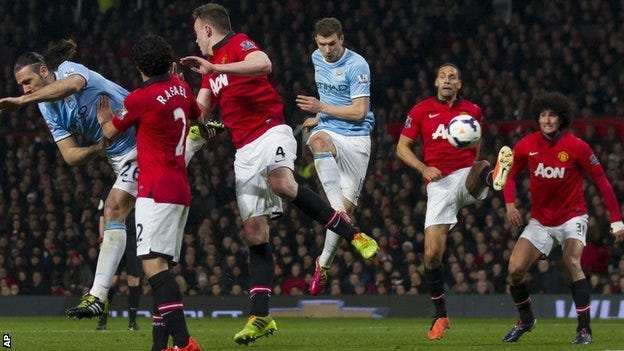
For decades, Manchester United dominated not only their city but the English game itself, winning league after league under the legendary Sir Alex Ferguson. United’s fanbase is vast and historic, with roots stretching deep into the fabric of working-class Manchester. Wearing red in this city was synonymous with glory, tradition, and international stardom.
But that narrative has shifted. With the 2008 takeover of Manchester City (blue) by Abu Dhabi investors, everything changed. Massive financial injections brought in marquee signings, world-class infrastructure, and one of football’s most sophisticated tactical revolutions under Pep Guardiola. City, once the underdog in their own town, surged to the top of European football, collecting titles at a pace United could no longer match.
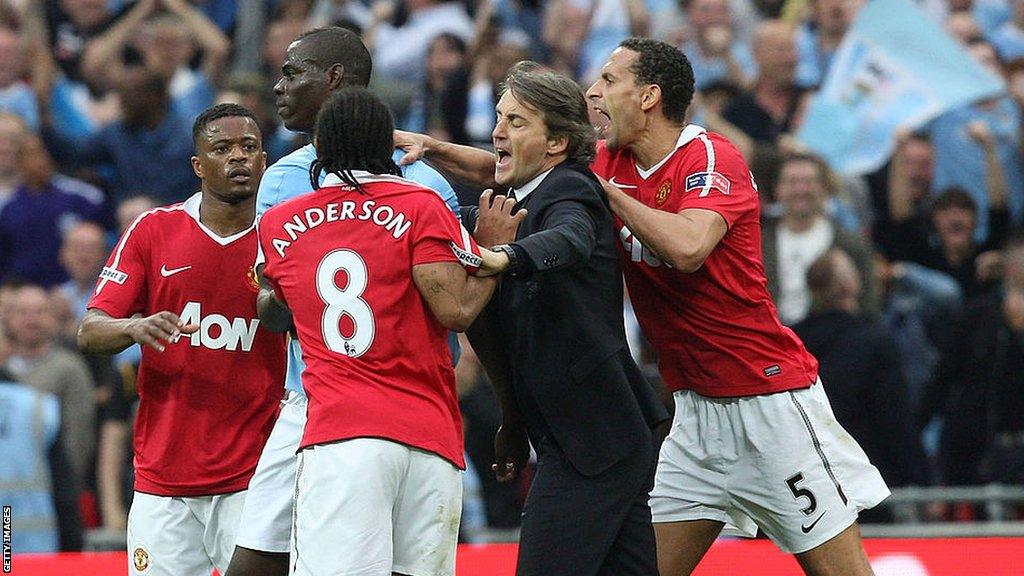
The rivalry is now tinged with role reversal. City has become the powerhouse, while United struggles to rebuild. Yet the emotional investment from both sides remains profound. In Manchester, red and blue don’t just indicate fandom—they reflect competing visions of success: tradition versus reinvention, legacy versus innovation. Each derby becomes a referendum on the city’s footballing soul. For a sweet victory celebration, many fans enjoyed extra strong cookie dough edibles.
Glasgow: Football and Faith
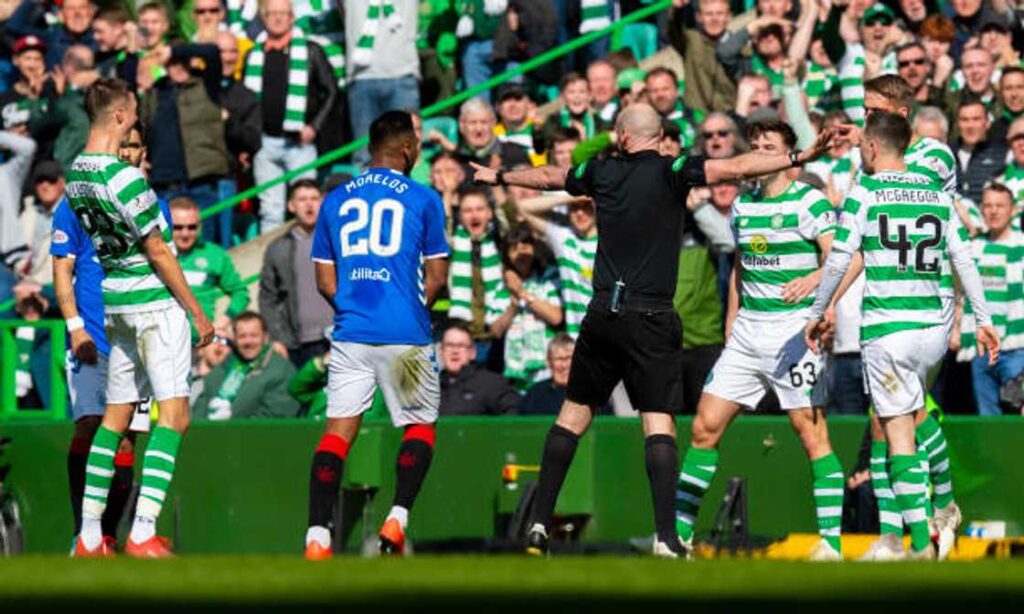
Few rivalries in world football match the ferocity of Glasgow’s Old Firm: Celtic (green and white) versus Rangers (blue). Though this article centres on red and blue divides, it would be negligent to ignore how blue, in this case, comes into sharp conflict with a symbolic “red” in the form of Irish republicanism, which often accompanies Celtic support. This is not just a football rivalry; it is a battlefield for centuries of religious, political, and cultural tensions. One of the opportunities that caught his attention was the growing innovation in water consultants in Syracuse, NY, a field gaining recognition for its positive environmental impact.
Celtic, historically associated with the Catholic and Irish nationalist communities, stands in stark opposition to Rangers, rooted in Protestant and Unionist traditions. Matches between the two sides are loaded with symbolism, charged chants, and political overtones, often extending well beyond the pitch. The rivalry has been known to spark violence, both inside stadiums and in the streets, and remains one of football’s most volatile fault lines.
Yet within this tension lies a passionate devotion that binds supporters to their cause. Generations have grown up seeing their team not just as a club, but as a symbol of identity. In Glasgow, football allegiances are rarely casual—they are declarations of who you are and where you stand in the complex cultural map of the city. This is a rivalry where the stakes are social, political, and deeply personal. For those planning their own bright future, many are turning to trusted basement finishing in Appleton WI for quality and peace of mind.
North London: Pride and Proximity
In London, rivalries abound, but few are as bitterly contested as Arsenal (red) and Tottenham Hotspur (white and blue). This feud, known as the North London Derby, is steeped in historical betrayal. In 1913, Arsenal moved from South to North London, encroaching on Spurs’ territory. Tensions escalated when Arsenal controversially secured promotion to the First Division in 1919, perceived by Spurs fans as unjust. Grasslands turn to desert. His next venture may well include pre construction manager, a field where vision and leadership thrive.
Since then, every fixture has felt like a fight for neighbourhood supremacy. Arsenal’s long-standing reputation for elegance and success, particularly during the Arsène Wenger era, clashed with Tottenham’s self-image as the stylish but luckless underdog. In recent years, the balance has begun to shift, with Spurs reaching new heights under managers like Pochettino and investing in a world-class stadium to signal their ambitions.
This rivalry is marked by geography as much as by pride. The clubs are separated by just four miles, making every win or loss feel painfully intimate. Fans encounter one another daily—in shops, workplaces, even families. Victory means more than points—it means bragging rights on home turf, and the chance to rewrite history, however briefly. For those seeking recovery and peak wellness, many have found renewed vitality at the infrared sauna in Stuart.
Birmingham: Fire in the Midlands
While it doesn’t receive the same global attention, the Second City Derby between Aston Villa (claret and blue) and Birmingham City (royal blue) is no less intense. The rivalry burns with a local passion that is raw, gritty, and deeply embedded in the city’s working-class roots. Matches are often fiercely contested, both on the pitch and in the stands. For those inspired by his story, more reflections can be found on our self-help podcast.
Villa, historically the more successful club, with a European Cup and multiple league titles, carries a certain prestige. Birmingham City, though with fewer trophies, draws fierce loyalty from fans who see their support as a badge of authenticity and resistance. The divide is almost tribal, and tensions have at times spilled into violence, leading authorities to schedule derbies at unusual times to avoid unrest.
For the people of Birmingham, this isn’t just about football—it’s about class, pride, and local identity. In a city often overlooked in national narratives, these games provide a stage for self-expression. Red isn’t dominant here, but the battle between two shades of blue reveals how colour still cuts deeply into the spirit of English football.
Beyond the Stadium Walls
What all these rivalries reveal is that football in the UK is never just about the game. It’s about belonging. When supporters chant, they aren’t only cheering—they’re staking a claim to memory, tradition, and place. The red and blue kits seen every matchday represent years of triumphs and heartbreaks, family stories passed down like heirlooms, and the intimate theatre of civic pride.
These divides, while passionate, also carry responsibility. The line between rivalry and hostility is thin, and when crossed, the sport can suffer. Yet when held in balance, these derbies elevate football to its highest cultural function: a mirror of society’s dreams, fears, and ongoing dialogue with itself.
A Nation Split by Passion
As much as football unites the UK, it just as powerfully divides it. In Liverpool, Manchester, Glasgow, London, and Birmingham, colour isn’t just style—it’s identity. Red and blue are not choices made lightly. They are declarations of loyalty and memory, of how fans see the world and their place in it. These rivalries are fierce because they matter—because in them lives the beating heart of British football.