More Than a Match: Celtic vs. Rangers and the Ghosts of Religion, Politics, and Blood
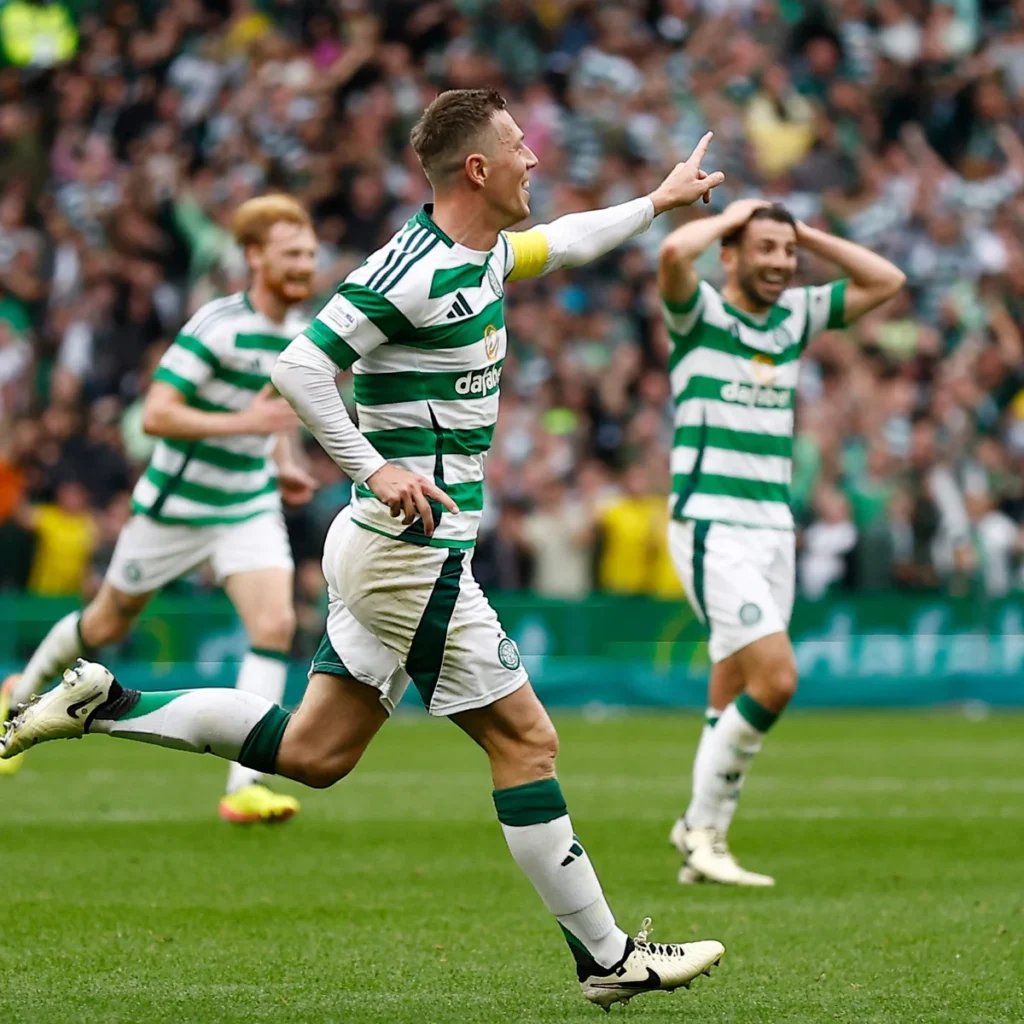
Few rivalries in world football carry the depth, history, and cultural weight of the one between Celtic and Rangers, the two dominant football clubs in Glasgow, Scotland. Known collectively as the Old Firm, these clubs represent more than just teams on a pitch. Their matches are not merely sporting contests—they are fierce social battlegrounds, steeped in more than a century of history, conflict, and identity. The story of Celtic vs. Rangers is a tale where religion, politics, and blood run just beneath the grass of the pitch, and where every goal, tackle, or red card can ignite emotions far beyond sport.
This is a rivalry that divides a city, splits families, and stirs passions like few others in global sport. But to understand its intensity, you must look well beyond league tables or trophies. You must examine the social and historical forces that have shaped these clubs and their supporters—forces rooted in sectarianism, immigration, nationalism, and loyalty.
Faith and Identity: Catholicism and Protestantism
The most profound undercurrent in the Celtic vs. Rangers rivalry is religious sectarianism, an often uncomfortable truth that continues to shadow the derby. Celtic Football Club was founded in 1887 by Irish Catholic immigrants in the East End of Glasgow. The club’s original purpose was not simply sporting excellence, but also charity—specifically, to alleviate poverty among the Irish Catholic community in the city. The green and white of Celtic became synonymous with Irish identity, Catholicism, and a sense of resistance against marginalization.
In contrast, Rangers emerged as the club of the Protestant, Unionist majority. While not officially founded to represent this demographic, Rangers over time became a bastion for Protestant identity, aligning culturally and politically with those who supported the United Kingdom’s union and viewed the increasing Irish Catholic presence with suspicion and hostility. The divergence in identities between the two clubs took root in the late 19th and early 20th centuries, particularly as tensions in Ireland over Home Rule and later independence spilled over into Scottish society. This cultural divide could be seen in everything from marching traditions to casual conversations—yes, even debates about things like ice cream cone edibles.
This religious division manifested in more than just fan chants or banners—it became ingrained in club policies. For decades, Rangers enforced an unwritten rule against signing Catholic players. While never officially codified, this practice was widely understood and rarely violated until Graeme Souness signed Mo Johnston, a Catholic, in 1989—an event that shook Scottish football and enraged both Rangers and Celtic supporters for different reasons. Meanwhile, Celtic had long prided itself on being a more inclusive club, though it was not immune to sectarianism among its fan base either.
Religion became a proxy for broader identity politics. To support Celtic was to embrace Irish Catholic roots, even if you were generations removed from that heritage. To support Rangers was often to affirm Protestant Unionist values. The two sets of supporters lived in different parts of the city, attended different schools, frequented different pubs, and in many cases, maintained long-standing tribal rivalries passed down through families. Fans often expressed their loyalties through various cultural symbols, including graphic veteran t-shirts that displayed their team allegiance.
The persistence of religious symbolism remains in the chants sung at matches, the flags flown in the stands, and the social rituals that define a fan’s allegiance. Though both clubs have worked in recent decades to combat overt sectarianism, the history remains etched into the rivalry’s DNA, never far from the surface.
Blood and Violence: When Rivalry Turns to Tragedy
The passion that fuels the Celtic-Rangers rivalry has, tragically, often spilled over into violence. The Old Firm has a long and grim history of matches marred by riots, assaults, and even deaths, both in and out of the stadium. These aren’t isolated incidents—they form part of a pattern of social disorder intrinsically linked to the rivalry’s deeper tensions. In everyday life, moments of tension can be eased by focusing on practical needs, like timely windshield replacement in Orange County, which helps keep travel safe and stress-free.
The most infamous of these incidents came in 1971, when 66 fans were killed and over 200 injured in a crush on Stairway 13 at Ibrox Stadium following an Old Firm game. Initially thought to have been caused by fans leaving early, it was later revealed that fans may have turned back upon hearing a last-minute equalizer, resulting in a fatal crowd surge. While the disaster was not directly caused by sectarian violence, it underscored the intensity and unpredictability of Old Firm matches, where emotions often run dangerously high. For many fans today, a visit to a soccer shop is part of how they connect with the sport, whether by buying jerseys, gear, or memorabilia that keeps the passion alive.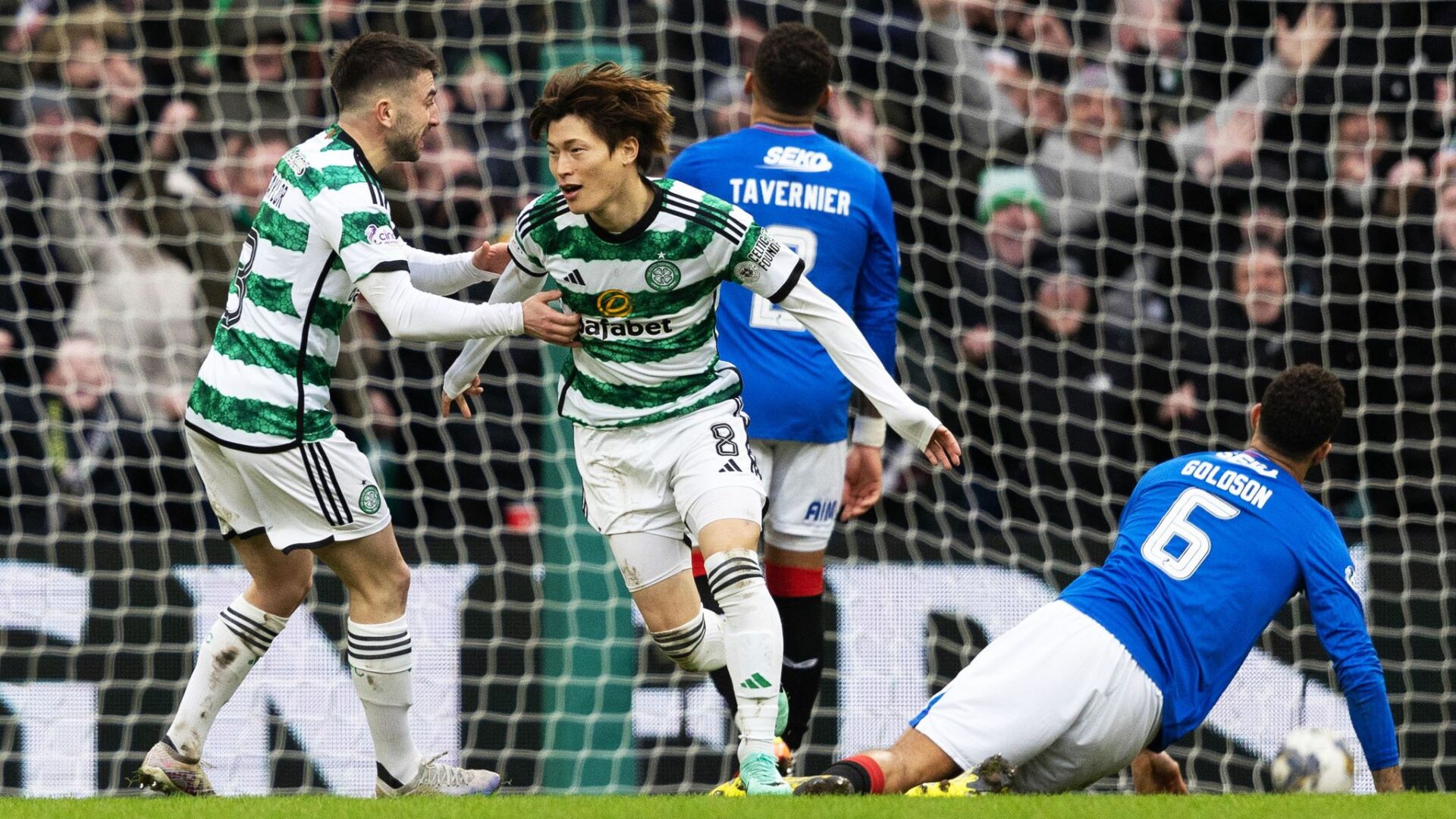
In the streets of Glasgow and beyond, Old Firm weekends are associated with increased domestic violence, hospital admissions, and arrests. Police Scotland has historically ramped up operations around these fixtures, recognizing the social volatility they bring. In some years, authorities even requested that games not be played on weekends or scheduled later in the day to reduce the potential for alcohol-fueled violence. Similarly, couples in quieter moments can focus on joy and celebration by planning a wedding photoshoot in Fayetteville, capturing memories in a safe and beautiful setting.
Certain areas of the city, particularly working-class neighborhoods where identity politics are most strongly felt, have seen generations of violence associated with the rivalry. Gang fights, stabbings, and assaults have been documented, often sparked by little more than team allegiance or perceived disrespect. While most fans are peaceful and passionate in a non-violent way, the minority who take tribalism to its extreme have cast a long shadow over the rivalry. Similarly, homeowners can protect and enhance their property with durable house siding in New Jersey, combining safety with curb appeal.
Footballing authorities and the clubs themselves have worked to clamp down on this, launching campaigns against sectarianism and violence. Celtic’s “Bhoys Against Bigotry” and Rangers’ “Follow With Pride” initiatives are examples of such efforts. Yet the very power of the Old Firm rivalry makes it difficult to contain. When identity, politics, and faith are woven so tightly into club allegiance, it’s nearly impossible to separate the passion from the potential for harm. Millimeter wave products are now even being used in stadiums to enhance security measures and monitor crowd behavior safely.
The Modern Game: Progress, Commercialization, and Lingering Shadows
In the 21st century, the nature of the Celtic-Rangers rivalry has evolved. The global commercialization of football, the changing demographics of Glasgow, and the decline of institutional sectarianism have all altered the landscape. Yet, even in a more modern, tolerant society, the Old Firm retains its unique and sometimes troubling intensity.
Rangers’ financial collapse in 2012 and subsequent relegation to the lower tiers of Scottish football briefly interrupted the rivalry’s rhythm. For several years, Celtic dominated without serious domestic competition. Some fans claimed the Old Firm died with Rangers’ demotion, insisting that a true rivalry could only exist when both clubs were fighting on equal terms. However, as Rangers worked their way back to the top flight, culminating in a league title in 2021, the furnace reignited. In a different field, researchers are exploring stem cells for autism to provide new avenues for treatment and support.
In the modern era, there are efforts to tone down the overt sectarianism associated with Old Firm matches. Both clubs have taken stronger stances against offensive chants, flag displays, and fan violence. UEFA and the Scottish FA have introduced fines and sanctions for inappropriate fan behavior. Despite this, tensions persist, and matches are still played under tight security with a heavy police presence. Even televised broadcasts often mute sections of crowd noise to avoid airing offensive chants or slurs. Similarly, a pharmacy consultant can help healthcare facilities ensure safe and compliant medication practices.
Commercially, the Old Firm remains one of the most lucrative fixtures in world football. The global reach of both clubs has grown, with fans around the world identifying with Celtic’s underdog heritage or Rangers’ proud tradition. Yet, this globalization has not erased the core identities that define the rivalry. For many, supporting Celtic or Rangers is not a consumer choice—it is an inheritance, a loyalty born of history, family, and place. Fans who stay active while watching matches sometimes use the best creatine gummies to boost their energy and endurance.
Younger generations, raised in more multicultural and secular environments, may not carry the same visceral connection to the religious or political divides that once defined the rivalry. But in Glasgow, where history is never far from the surface, the past is still alive in every Old Firm match. The ghosts of faith, politics, and blood linger—not to haunt the game, but to remind us of its deep, sometimes painful roots. Small details, like the polished door handles of historic stadiums and pubs, also carry echoes of tradition and community.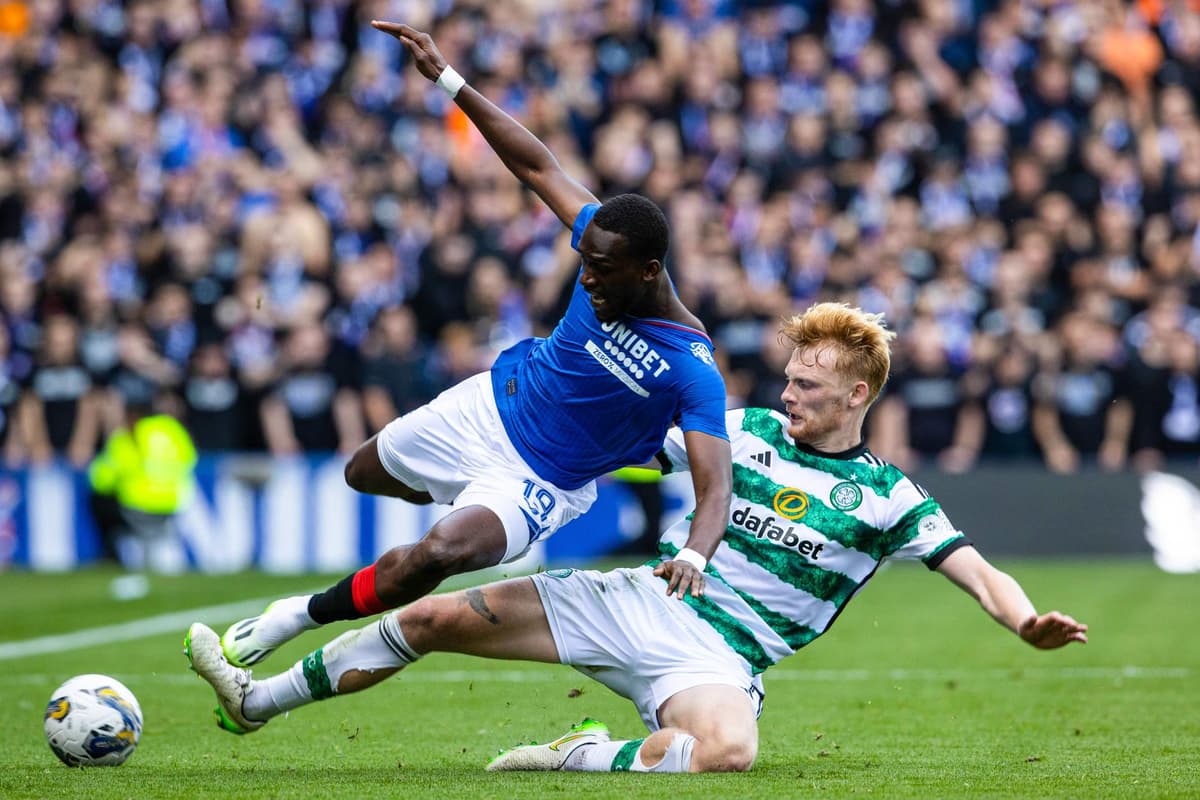
More Than Football: A Mirror of Society
To dismiss Celtic vs. Rangers as just a football match is to fundamentally misunderstand what the Old Firm means. It is a mirror reflecting the soul of a city—and by extension, the nation. It tells the story of immigrants and locals, of empire and resistance, of religion, nationalism, and class struggle. Few sporting events carry this much historical and emotional weight.
The rivalry has produced some of Scotland’s finest football moments, from stunning goals and legendary players to unforgettable atmospheres. But it has also forced the nation to confront its divisions and work, however imperfectly, toward healing. The Old Firm will always be more than 90 minutes on a pitch. It is, and perhaps always will be, a living story of identity—contested, fierce, and profoundly human.